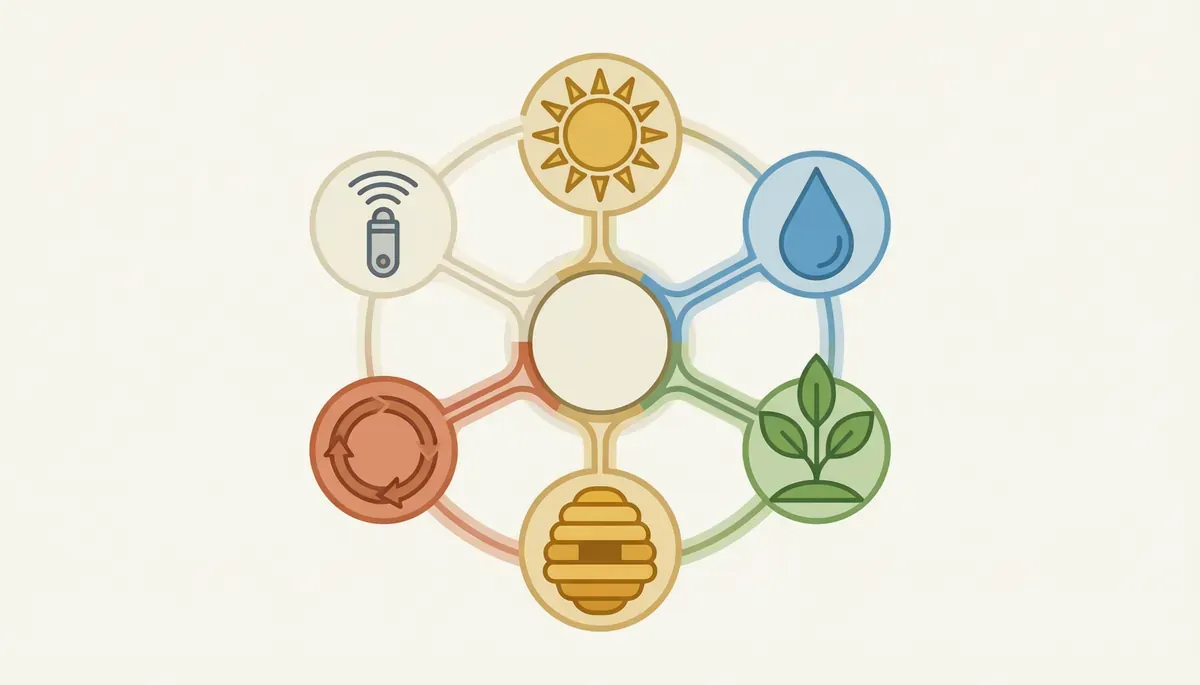
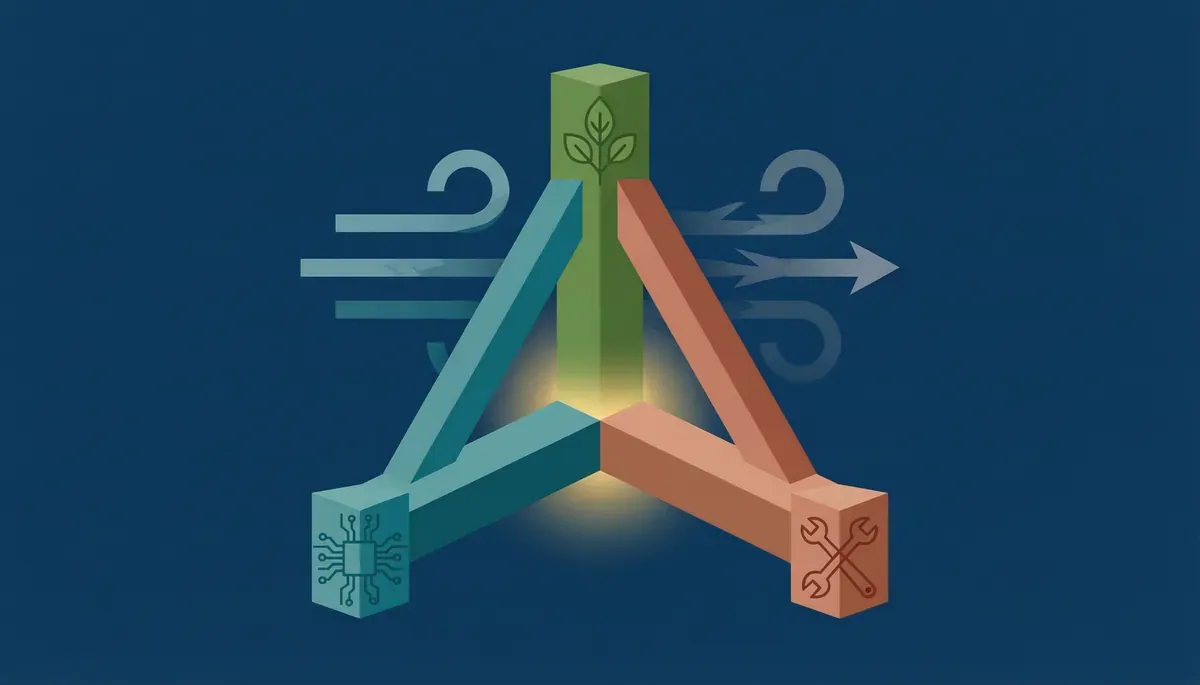
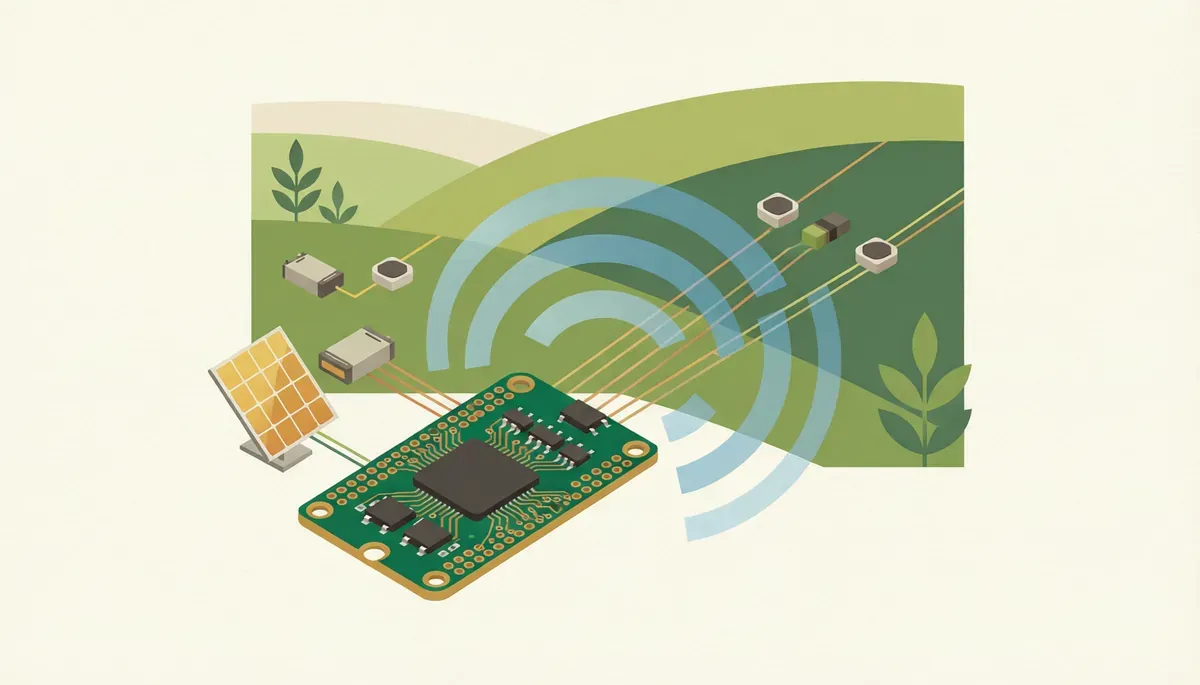
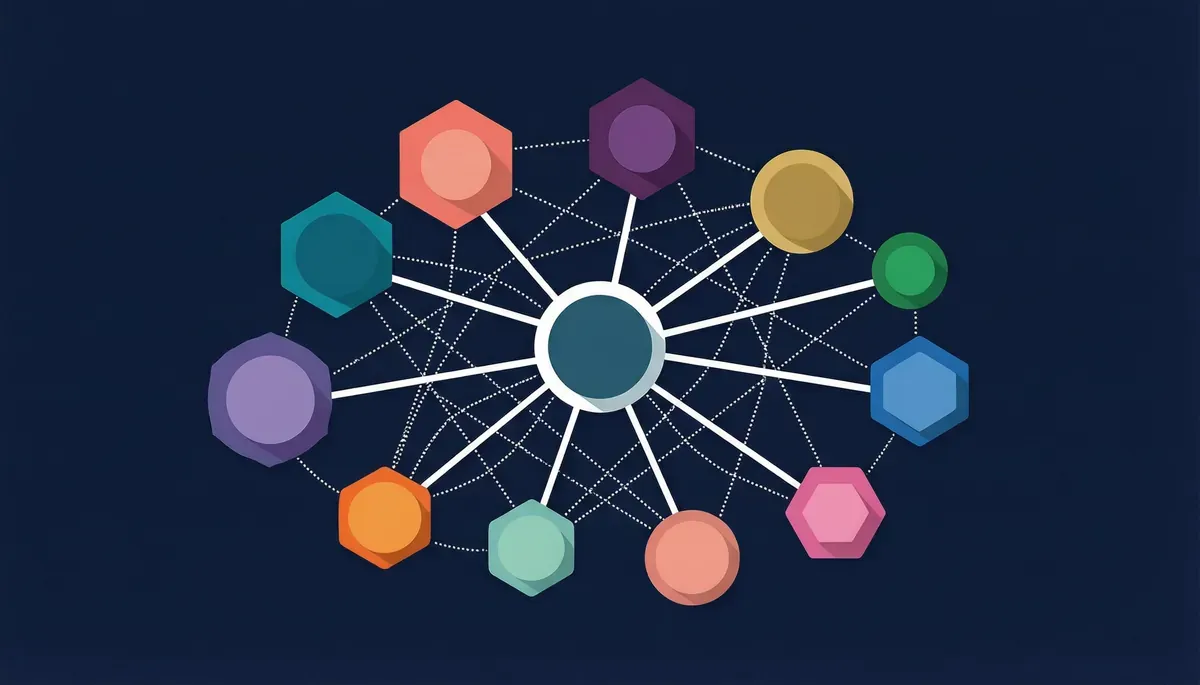
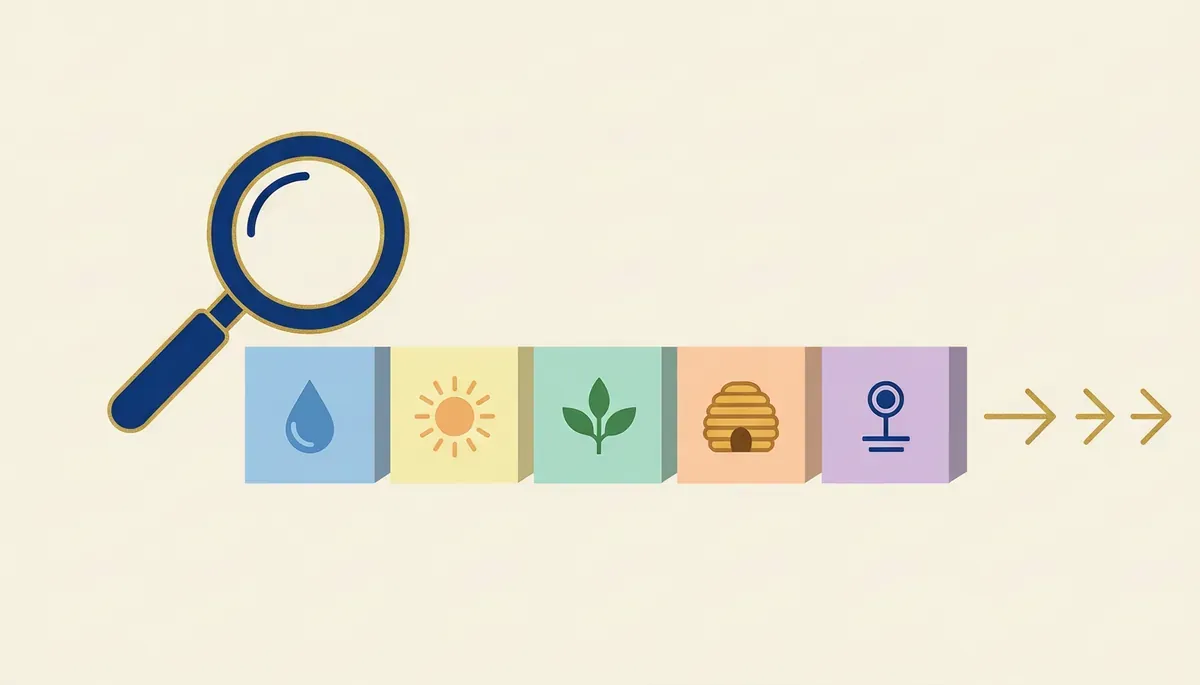
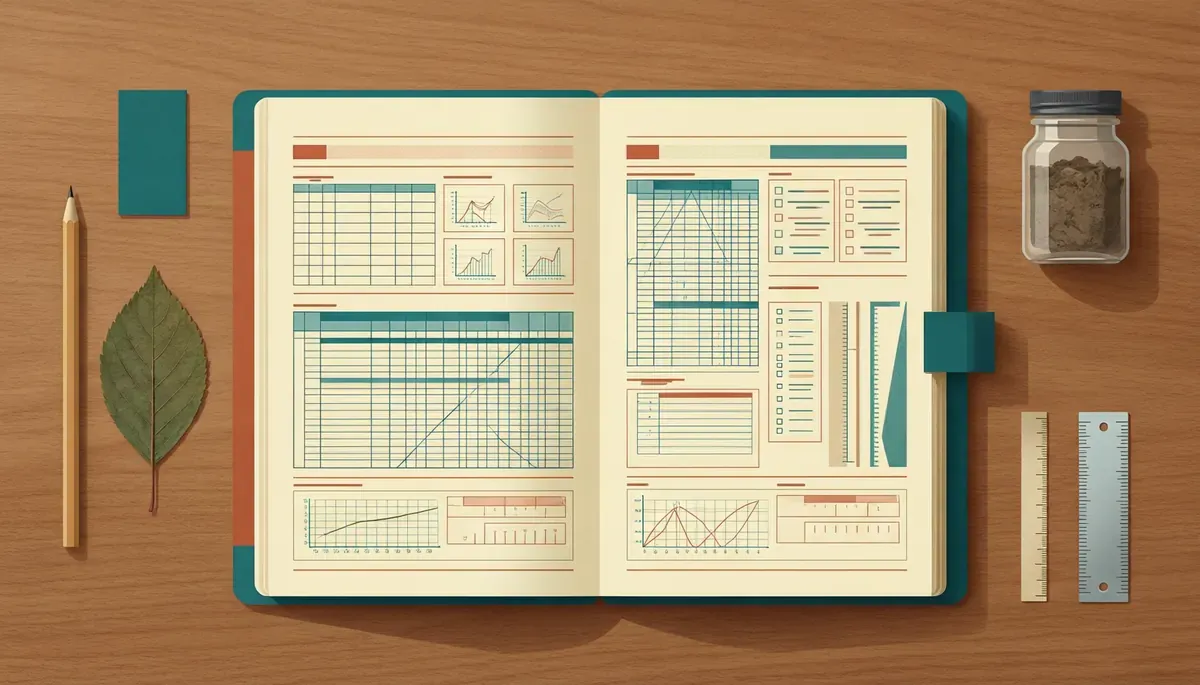
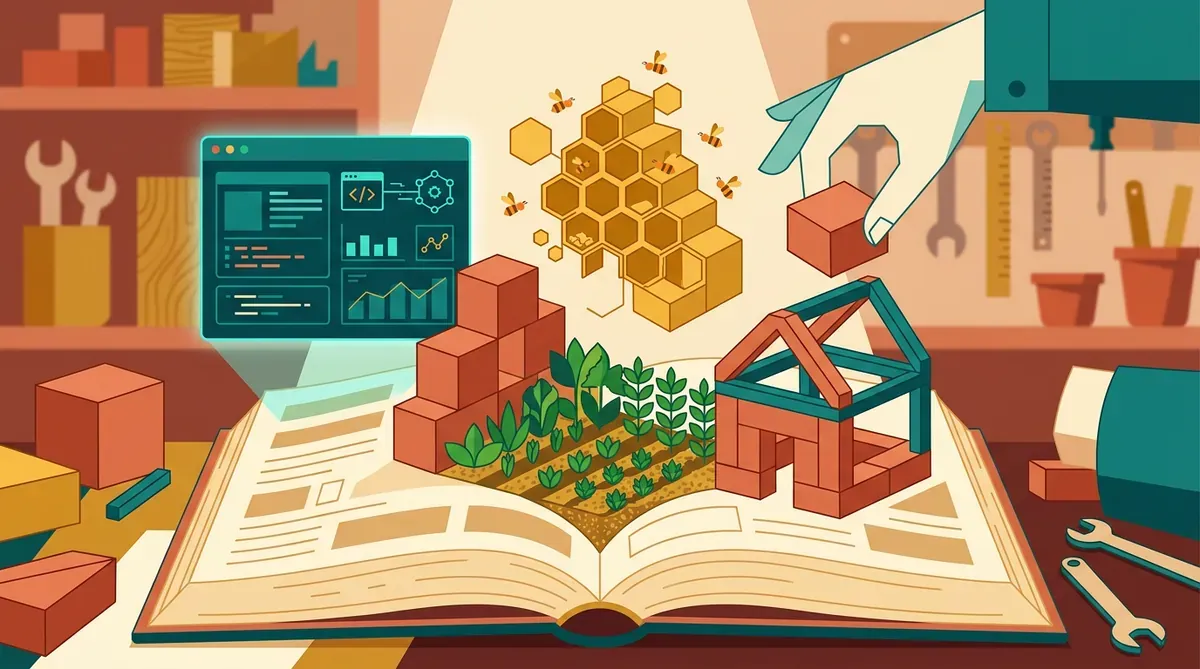
Un sistema autosustentable no se declara — se construye subsistema por subsistema, con los datos que cada etapa produce. Los nodos de esta serie documentan ese proceso en tiempo real: lo que funciona, lo que falla, y lo que todavía es hipótesis.
La antifragilidad no es un estado que se alcanza — es una práctica que se sostiene. La pregunta más honesta no es "¿soy resiliente?" sino "¿qué parte de lo que soy hoy sobrevive si la parte que más me importa mañana deja de funcionar?" La respuesta a eso es el mapa de lo que falta construir.
Este es un documento vivo. Se actualiza cuando el proceso avanza, cuando la minicasa tenga sus primeras paredes, cuando el portal esté en producción, cuando el primer ingreso recurrente llegue desde el sistema. La bitácora sigue
Este nodo define caja: cómo funciona realmente el ciclo de sueño profundo que hace posible esa eficiencia, qué papel juega la memoria RTC para que el sensor no pierda el hilo entre despertar y despertar, y cómo el Edge Gateway con Redis
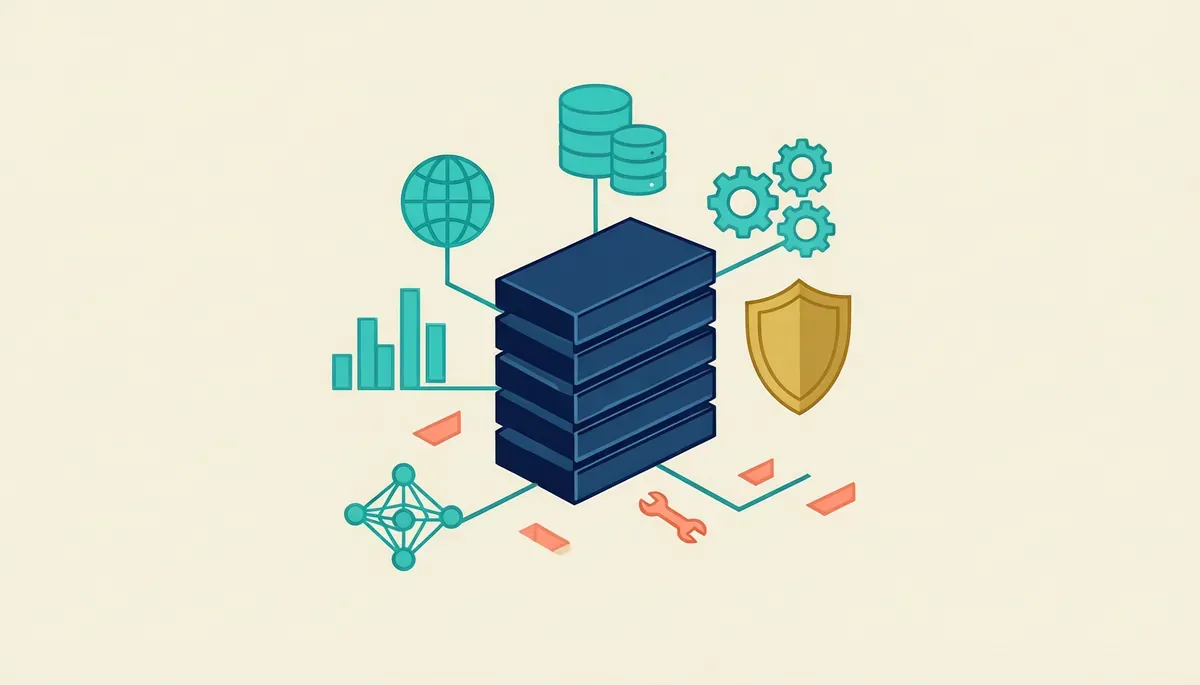
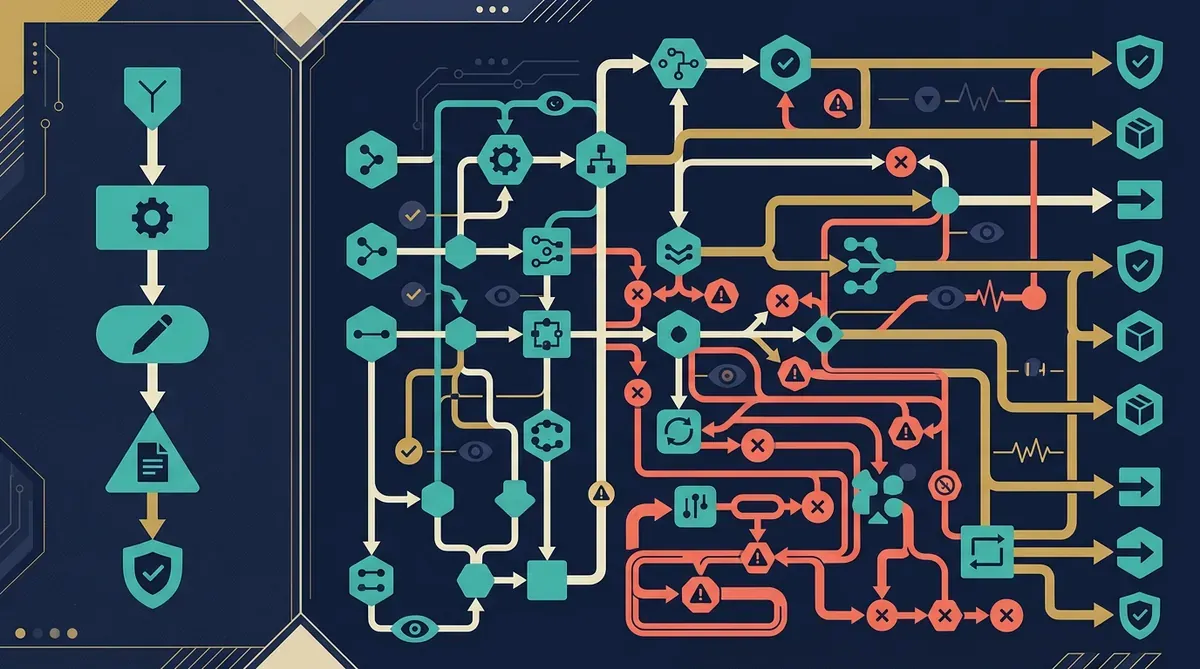
Operar con un solo modelo de IA es cómodo hasta que ese modelo cae, te censura una tarea o te cobra el triple por razonamiento que otro hace igual de bien. Este recurso documenta la arquitectura de orquestación que uso en producción desde el corredor Ambalá-Calambeo: once modelos con roles fijos, una matriz de failover y reglas de prompting que evitan que la IA invente reglas de negocio
Antes de cualquier modelo financiero de un proyecto que integra biología, construcción y tecnología: ¿cada subsistema tiene sus propios ciclos y restricciones documentados de forma independiente antes de modelar el sistema completo? Si la respuesta es no, el modelo va a ser tan optimista como el primero que se abandona a la semana
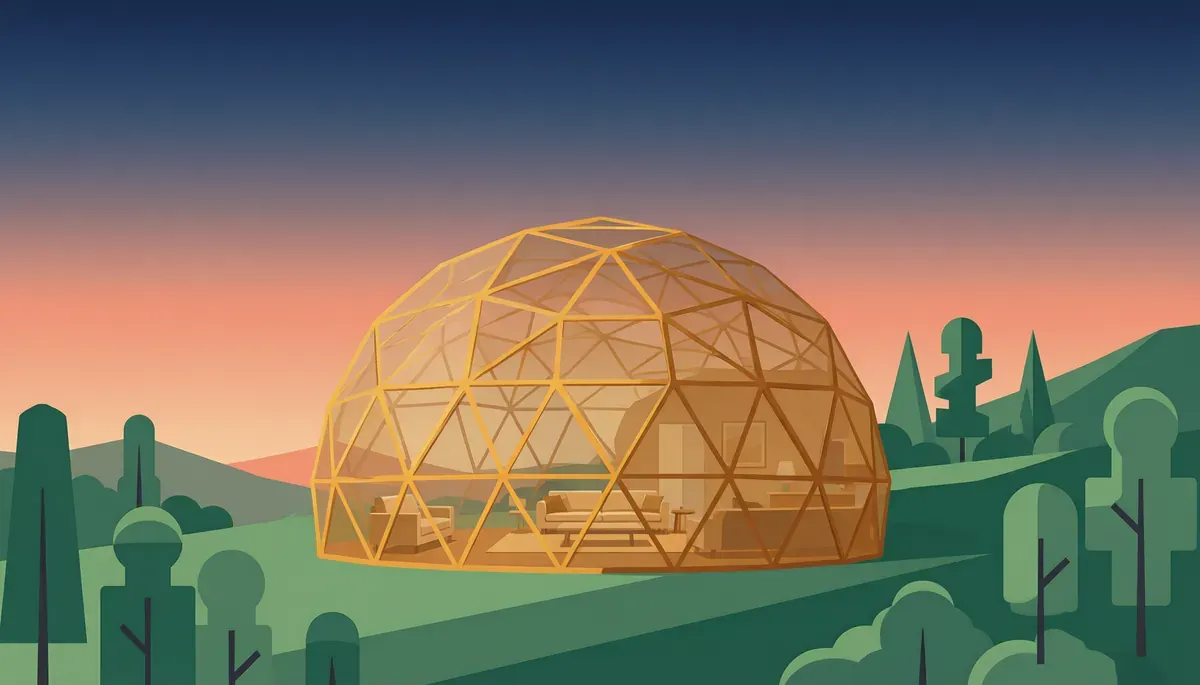
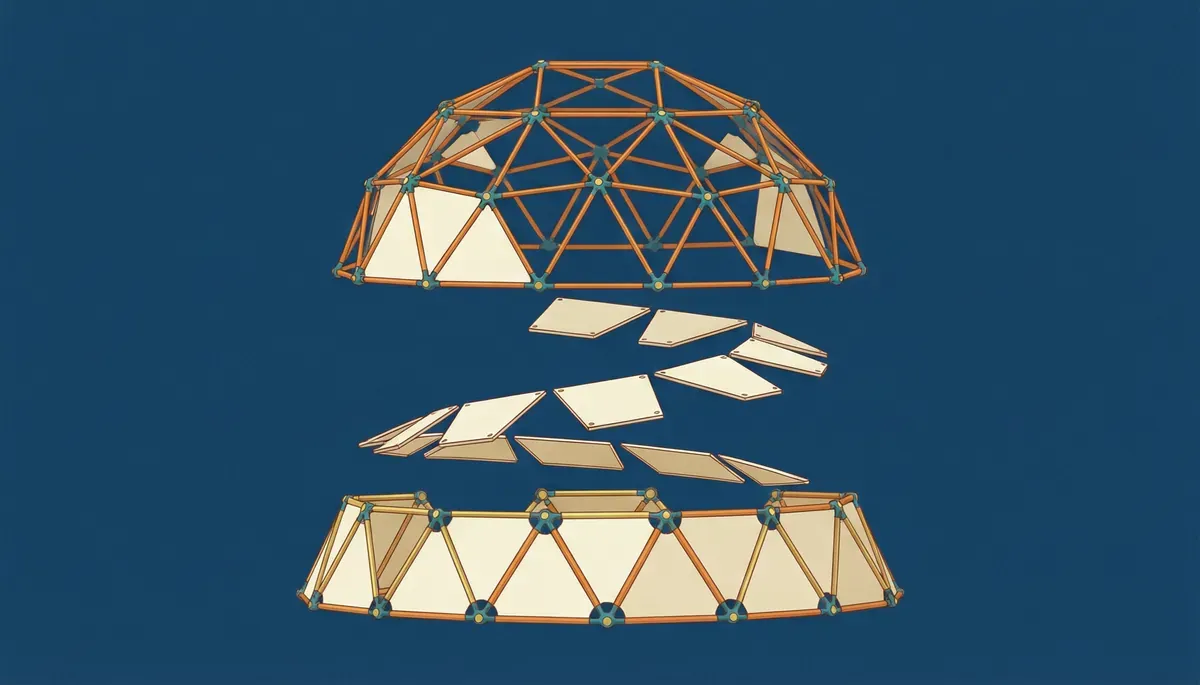
Antes de ser una atracción de glamping, el domo geodésico es una tecnología de habitabilidad completa: bioclimático por su geometría, autoportante sin muros de carga interiores, resistente a sismo y viento por cómo reparte las cargas, y radicalmente eficiente en el material que usa para encerrar espacio habitable
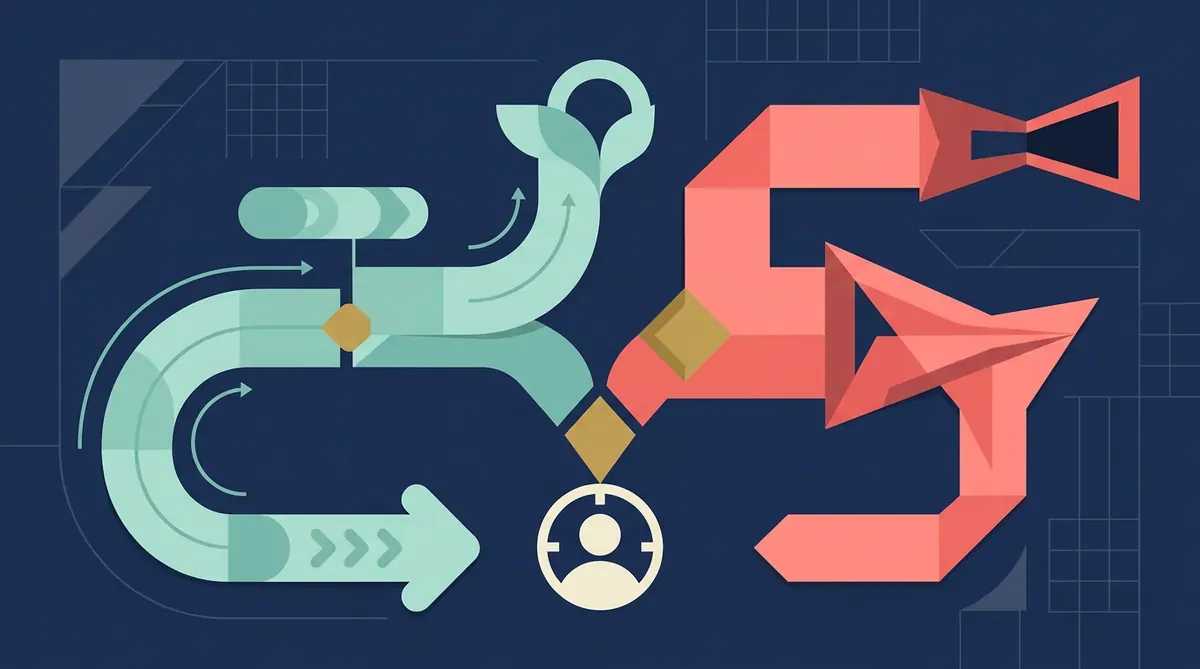
La diferencia entre un nudge y una trampa es simple: el nudge lleva al usuario hacia donde él ya quería ir. La trampa lo lleva hacia donde tú quieres que vaya
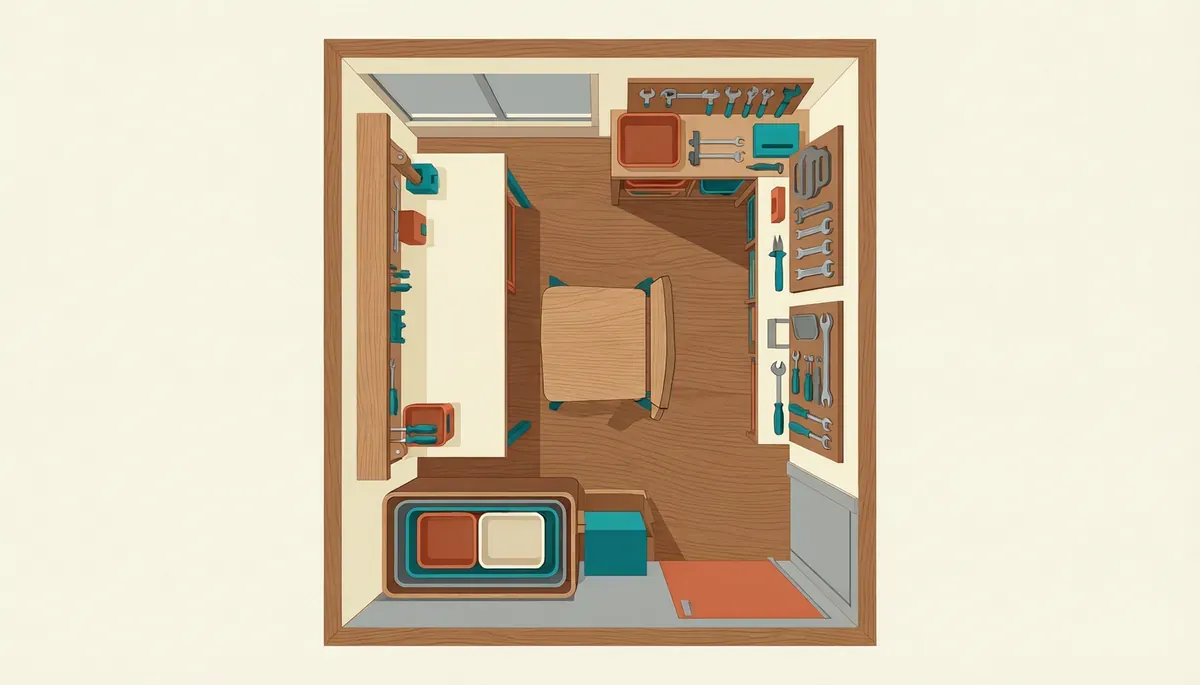
Antes de comprar cualquier mueble para un espacio reducido, una pregunta: ¿este mueble está diseñado para este espacio específico o para un espacio genérico al que se adaptará como pueda? La diferencia entre las dos respuestas determina si el espacio funciona o si solo se ve bien en el plano
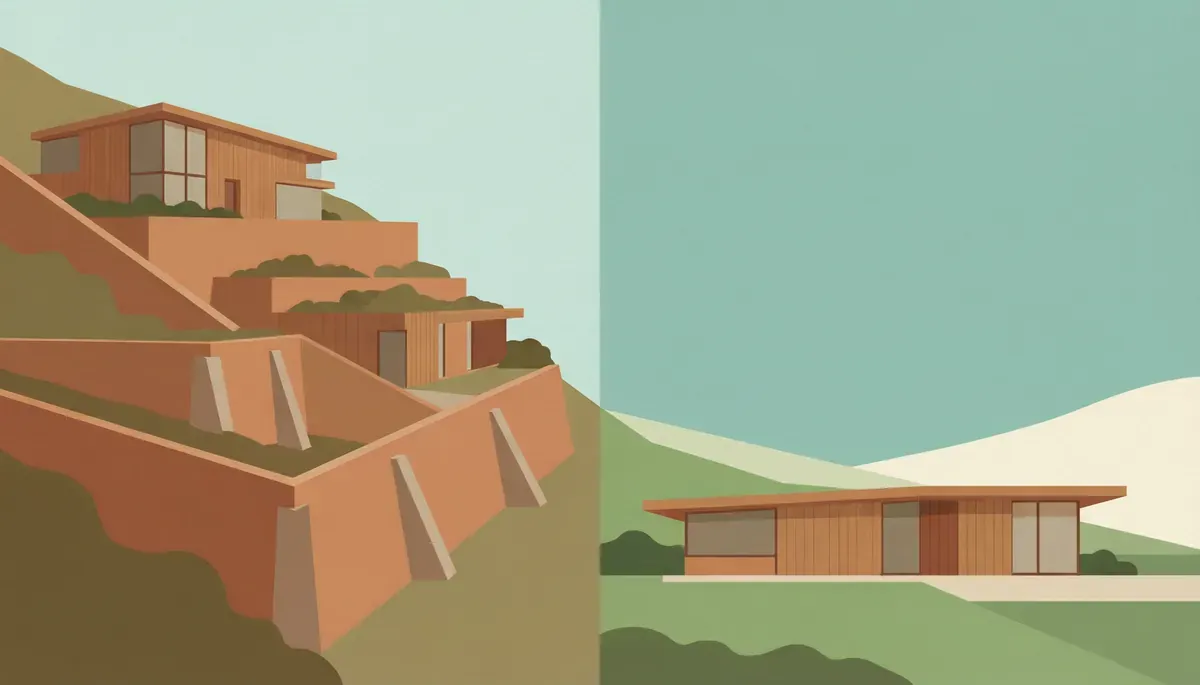
Este nodo es el puente — explica qué es la bioarquitectura como disciplina, por qué el terreno de pendiente y el terreno plano no admiten la misma solución técnica aunque compartan los mismos siete principios bioclimáticos
Durante meses pensé que el problema era documentar. Después descubrí que el problema real era comprender. Este nodo cuenta el origen intelectual del Sistema Cognitivo del Hub Soberano: desde el día que conocí el Handbook de GitLab y sentí que algo fallaba en cómo almacenamos conocimiento
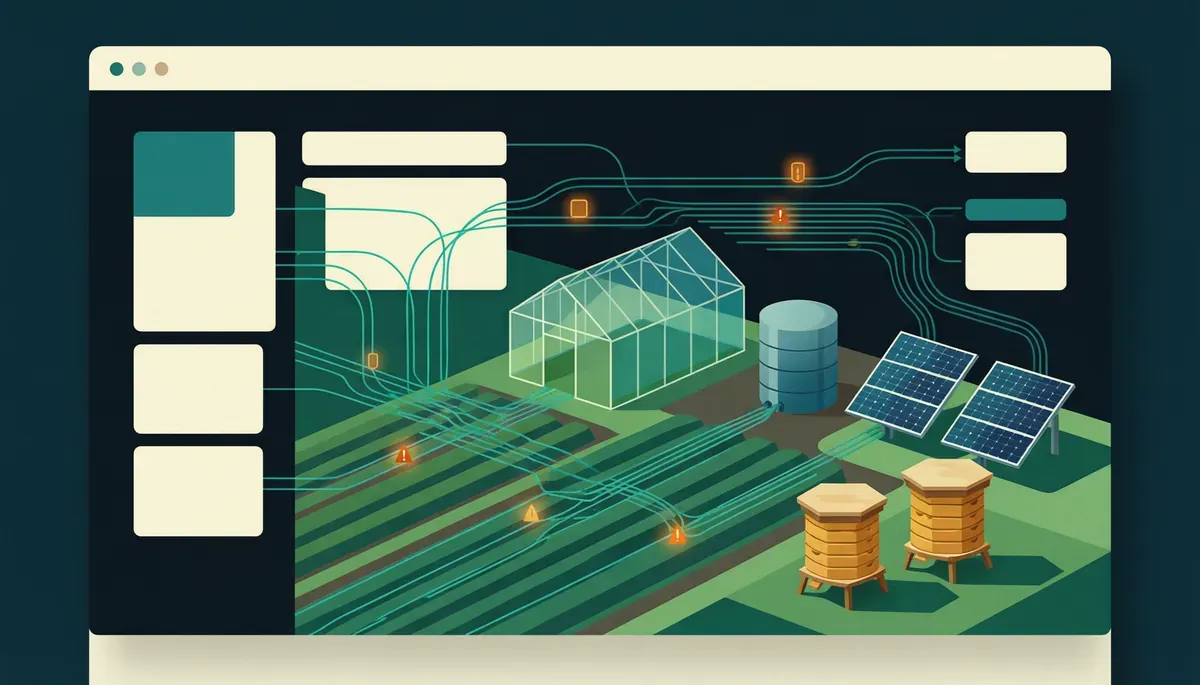
Si cada subsistema de la granja —meliponario, solar, hídrico, agroecosistema— es un instrumento de una orquesta, Home Assistant con InfluxDB y Grafana es la partitura que permite ver, por primera vez, cómo suenan todos juntos — no solo escuchar cada instrumento por separado
*En enero de 2025, el chatbot de DeepSeek superó a ChatGPT como la app más descargada en EE.UU. Fue entrenado por aproximadamente $6 millones. GPT-4 costó más de $100 millones
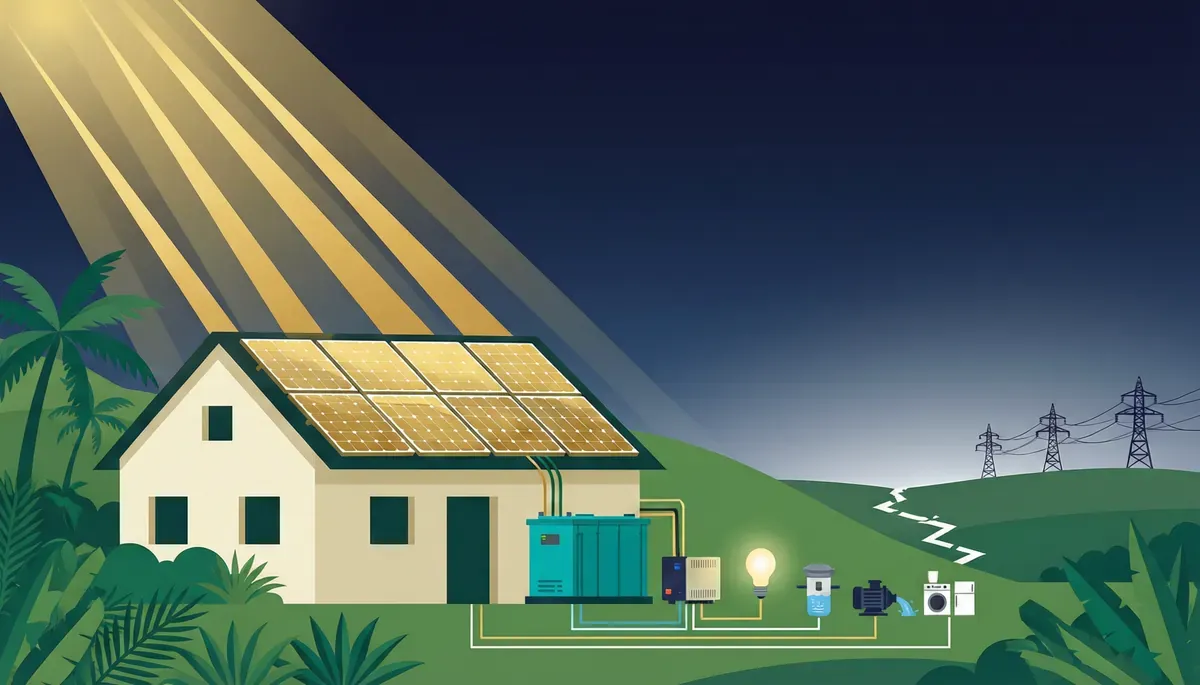
Este nodo explica cómo se dimensiona realmente un sistema off-grid para una granja con automatización, qué dice exactamente la Ley 1715 sobre cada uno de sus cuatro beneficios, dónde están los riesgos reales de aplicarla mal, y qué significa
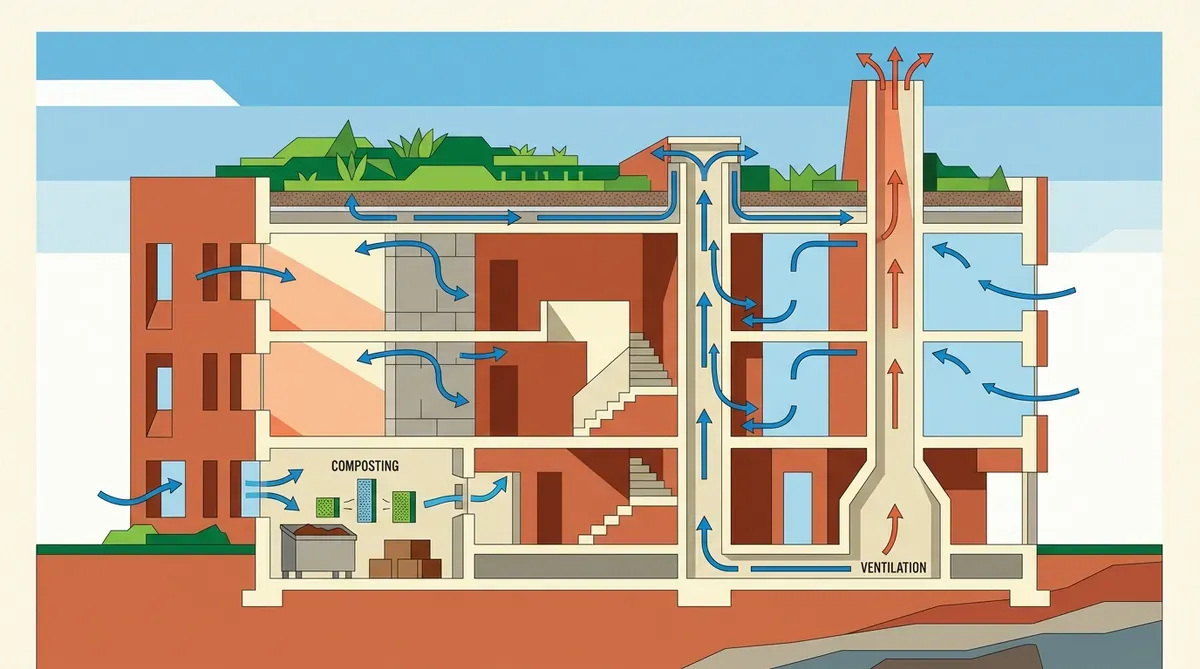
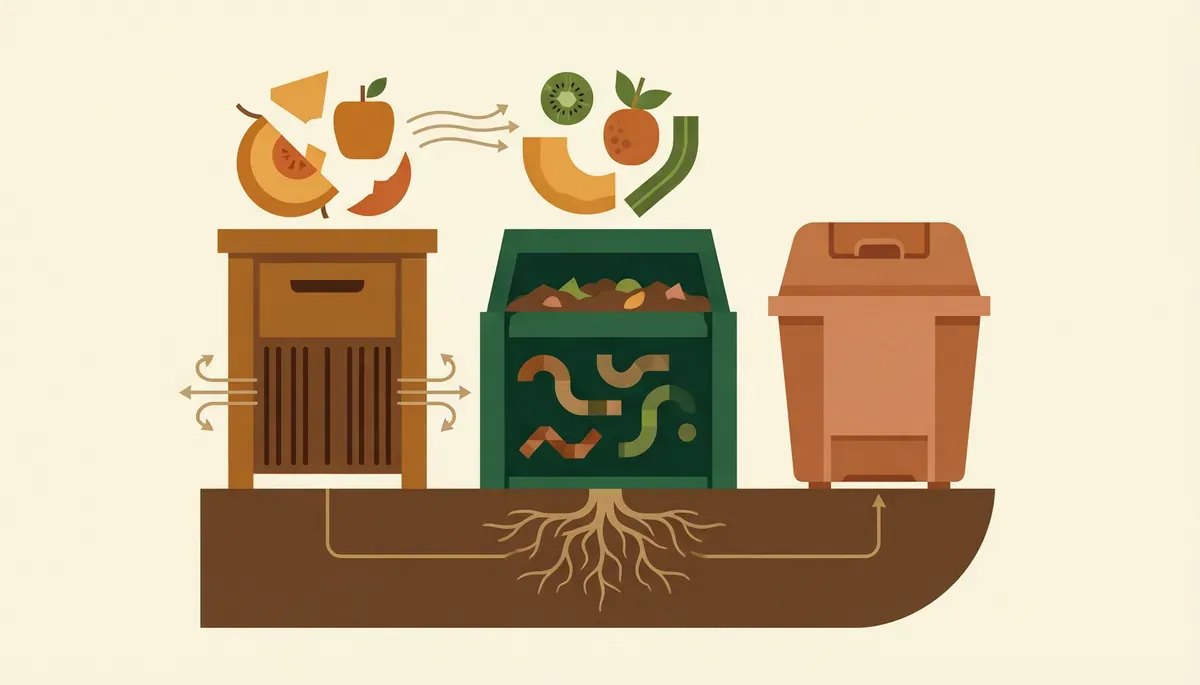
Este nodo desarrolla las tres técnicas que la granja Iwagé mezcla para resolver ambos retos — el pozo provenzal/canadiense como intercambiador geotérmico pasivo, las esclusas y masa térmica del diseño Earthship, y el control de olor por relación carbono-nitrógeno ya aplicable al sanitario seco
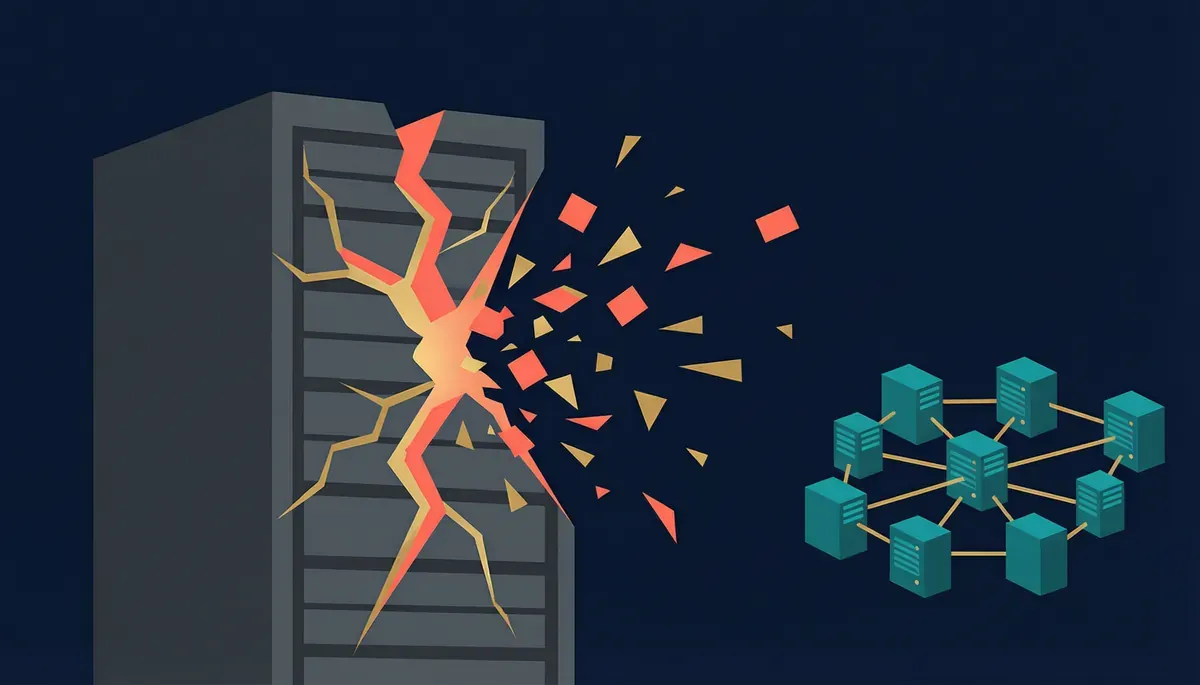
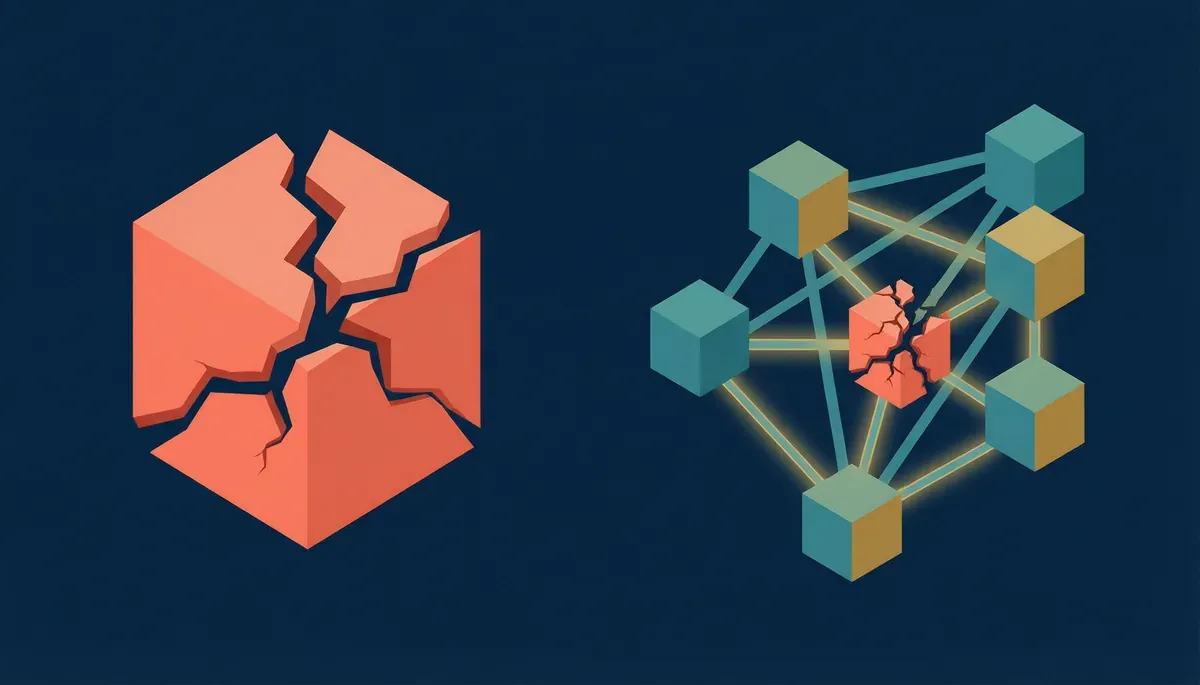
Un stack bien diseñado no colapsa cuando un proveedor cae. Lo que Fable 5 demostró no fue un fallo de Anthropic — fue un fallo de arquitectura en todos los stacks que dependían de un solo punto de fallo jurisdiccional.
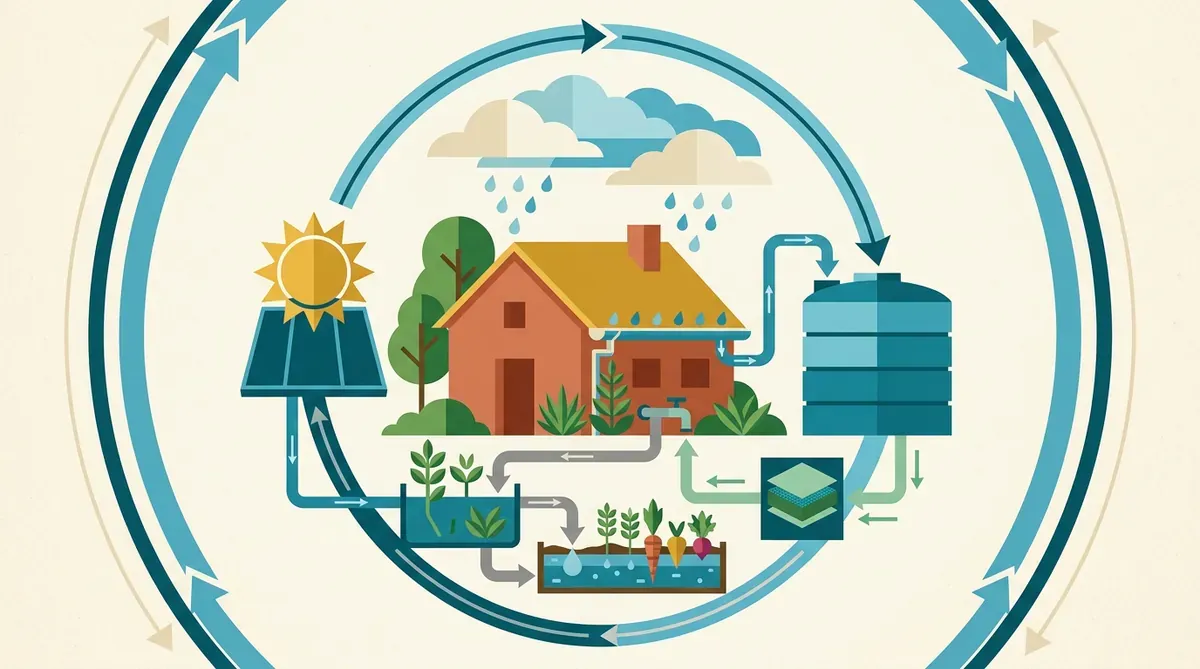
Este nodo cierra el círculo completo: cómo se dimensiona la captación real, qué dice exactamente la norma colombiana sobre reutilizar agua, qué cambio de hábito doméstico —no solo de tubería— hace posible que ese ciclo funcione, cómo el sol mismo entra al sistema como calentador y desinfectante, y por qué la distinción legal entre "recircular" y "reusar" determina si un proyecto necesita un trámite ambiental previo o puede operar sin él.
Este nodo actualiza la génesis de la Regla de los Tres Ejes revelando su segunda raíz conceptual, que operaba desde el principio sin que la nombráramos: el ikigai japonés auténtico, no el diagrama viral de cuatro círculos que casi todo el mundo conoce
Un domo geodésico no es "una carpa con forma rara": es una estructura que reparte las cargas de forma tan eficiente que puede sostenerse con piezas mucho más livianas que una construcción convencional del mismo volumen
El SEO optimizaba para que Google te encontrara. GEO optimiza para que Claude, ChatGPT o Perplexity te recomienden cuando alguien hace una pregunta que tú puedes responder.
Este nodo consolida el mapa regulatorio completo del sistema autosustentable Iwagé en un solo lugar, agrega las piezas que todavía faltaban —uso del suelo rural para agroturismo, registro apícola ante el ICA, y el régimen sanitario real de la miel—, y muestra en qué orden y ante qué entidades corre cada trámite.
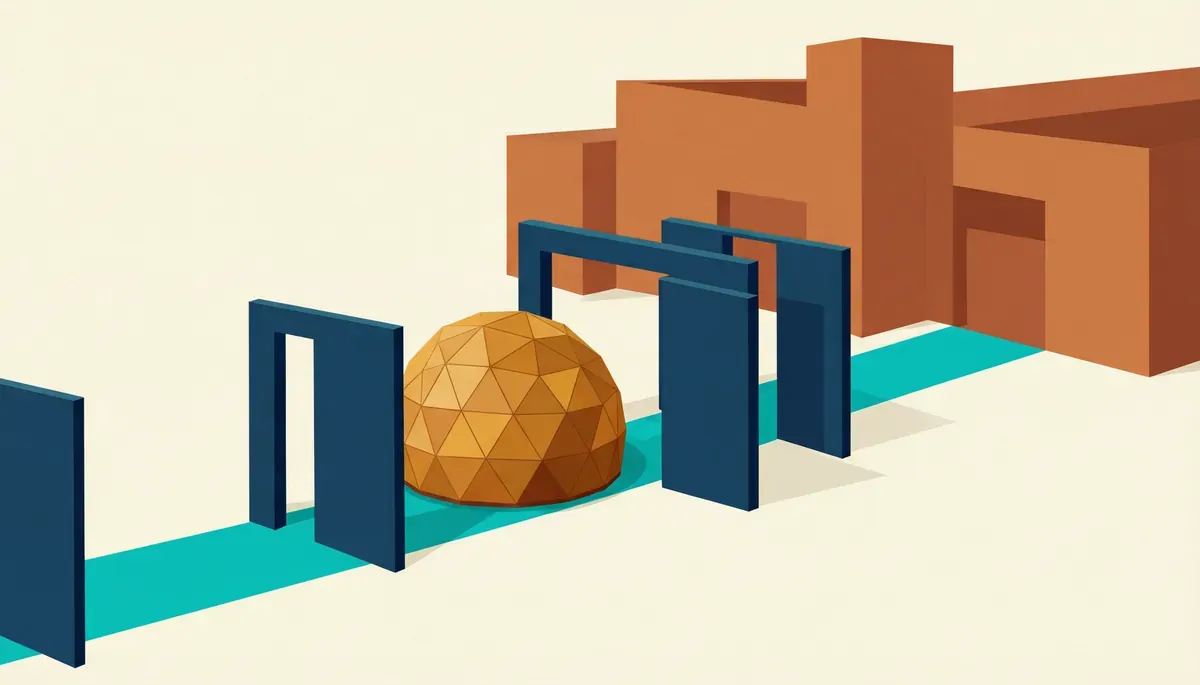
La norma sismorresistente colombiana no es un obstáculo aislado que un proyecto no convencional simplemente "debe superar" —es un sistema con puertas específicas, algunas más estrechas que otras, y con incentivos reales del otro lado para quien las cruza bien.
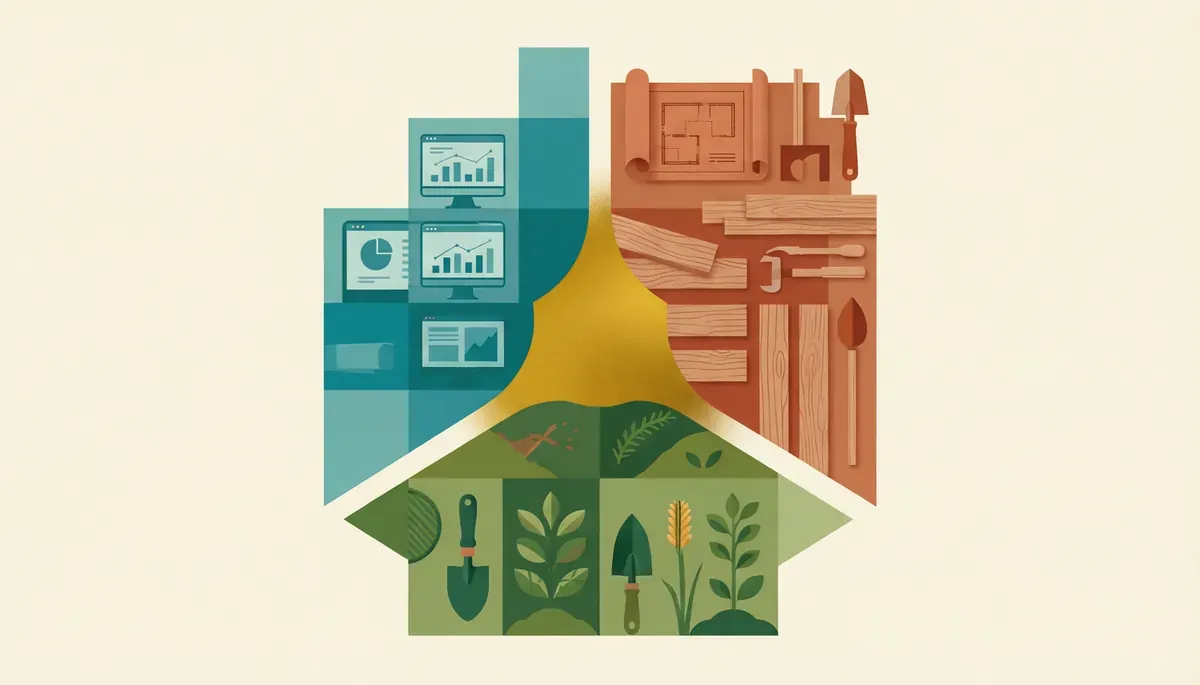
*Para un reclutador que evalúa a alguien que cruza datos, campo y oficio, la pregunta no debería ser "¿cuántos años de experiencia tiene en cada uno?" sino "¿qué reglas conectan lo que hace en los tres?" La respuesta a esa segunda pregunta es la única señal que distingue la versatilidad real de la acumulación
Se presenta el sistema de captura de campo que convirtió al meliponario en el único subsistema de Iwagé con evidencia real, adaptado a las tres etapas reales de una operación de meliponicultura: la captura en trampas, la operación diaria del meliponario, y la entrega y distribución del producto.
Este nodo es la parte 1 de 3 del Libro de la Vida. El plano más importante no es el de lo que vas a construir. Es el de quién eres cuando no estás construyendo nada.
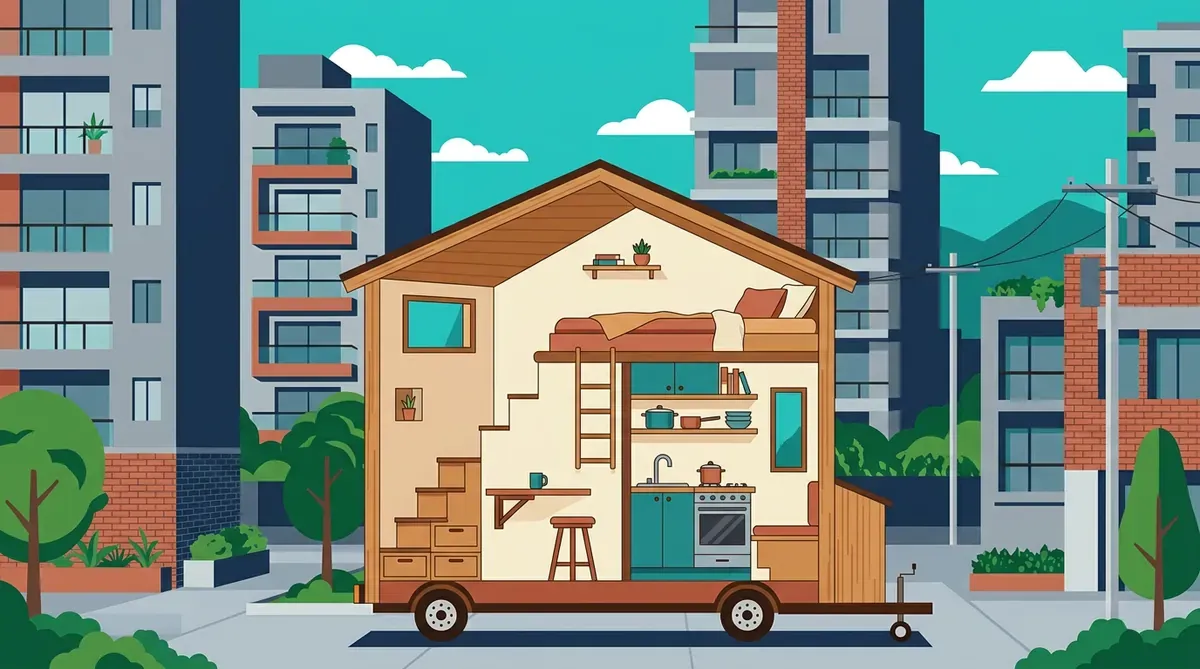
Este nodo documenta por qué el movimiento de vivienda pequeña tiene sentido específicamente en el contexto colombiano —con sus propios números de déficit habitacional, sus propias barreras normativas y culturales, y sus propios casos ya construidos
Este nodo documenta por qué el mobiliario multifuncional bien diseñado no solo resuelve el problema físico del espacio reducido —ya cubierto en el nodo anterior— sino que actúa directamente sobre la calificación del huésped, que a su vez determina si tu propiedad aparece en las búsquedas filtradas, cuánto puedes cobrar por noche y cuántas noches vacías tienes al me
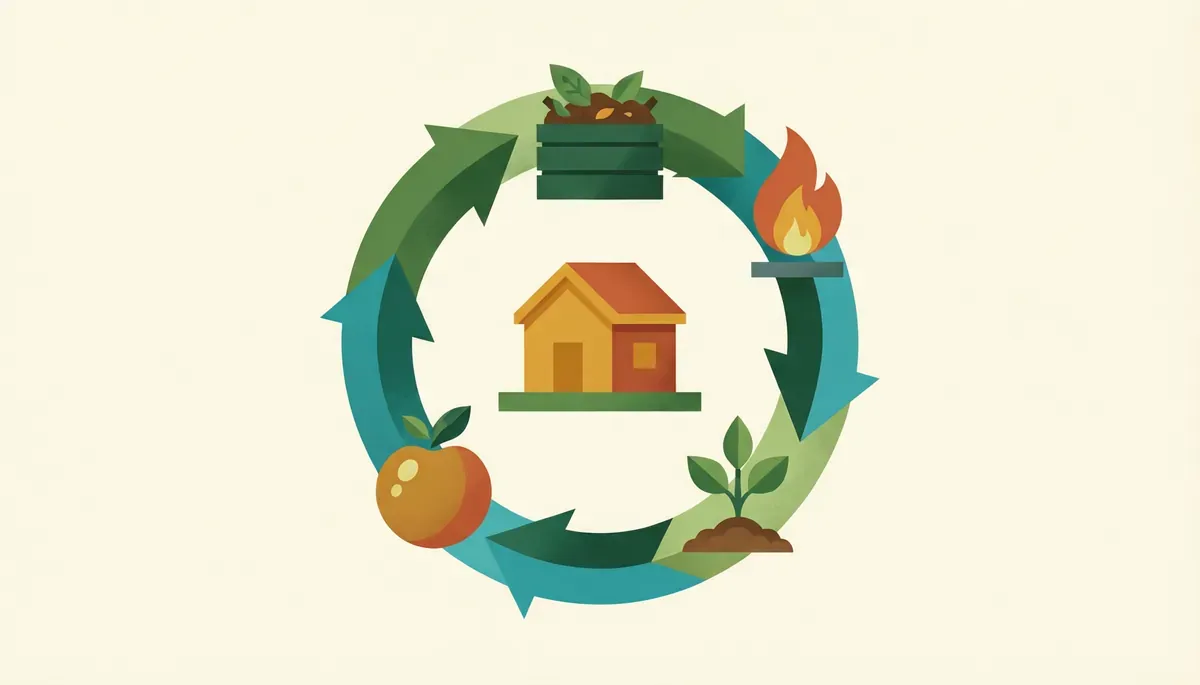
Este nodo explica cómo se dimensiona cada una de las tres piezas, qué las conecta entre sí como una sola bio-refinería en lugar de tres proyectos separados, y qué barreras reales —técnicas y culturales
Esta es la parte 2 de 3 del Libro de la Vida. La parte 1 documentó quién soy antes de los proyectos. Esta documenta el mundo desde donde los construyo. La parte 3 documenta qué estoy construyendo con todo eso — las metas, los frentes abiertos y el sistema que une las tres partes en una sola dirección.
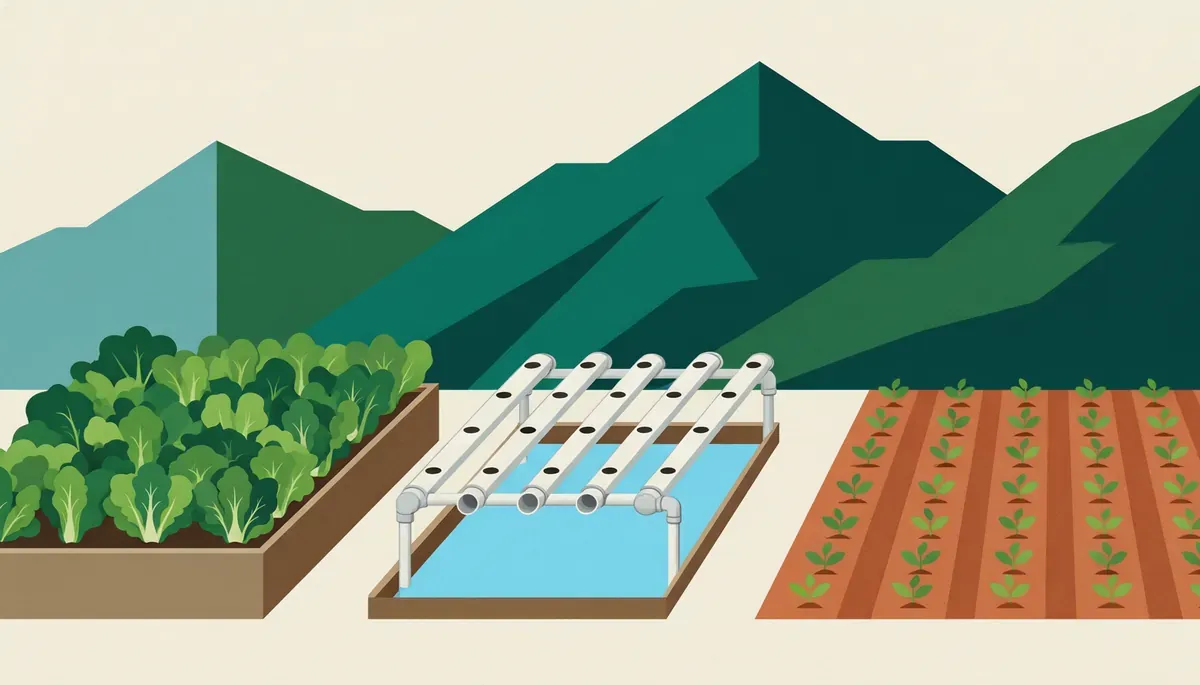
Define por qué el clima de Ibagué exige un calendario distinto al de cualquier guía de siembra genérica, cómo tres sistemas de cultivo aparentemente distintos —wicking bed, hidroponía vertical y permacultura de bancales— se complementan en lugar de competir, y cómo este subsistema recibe directamente los insumos que el ciclo hídrico y la bio-refinería ya producen.
El código fuente de tu vida no se escribe una vez. Se construye, proyecto tras proyecto, colmena tras colmena, trazo tras trazo. No importa si hoy solo tienes una libreta y una idea
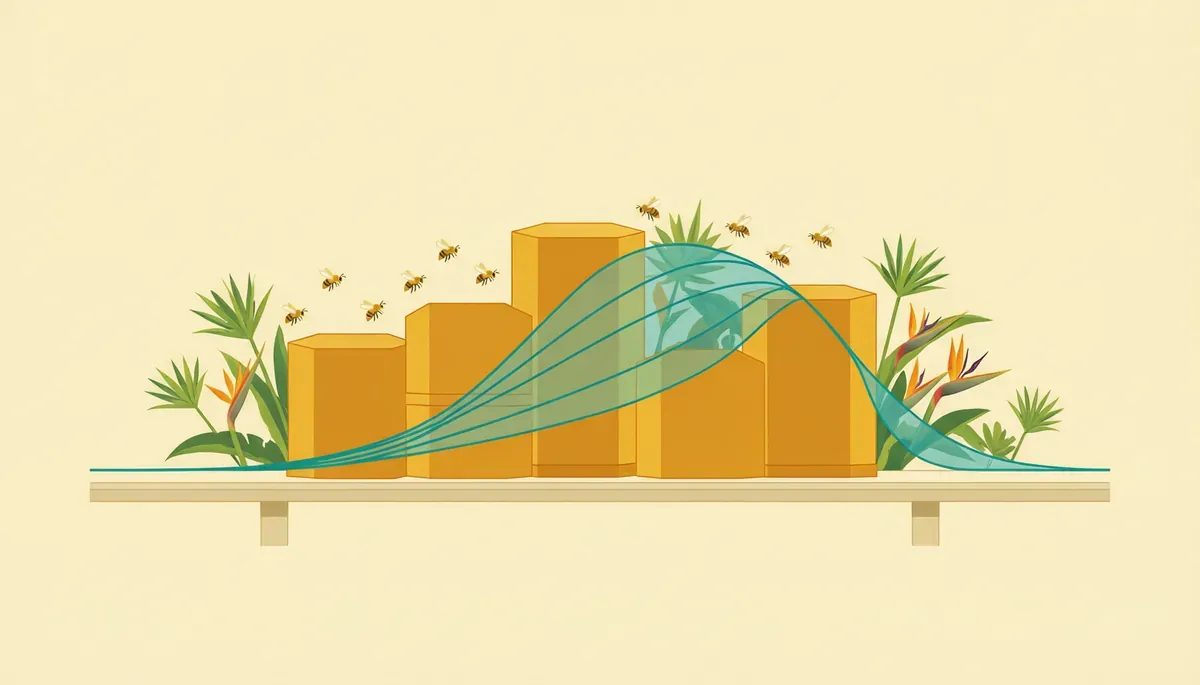
Antes de invertir en o asociarse con un proyecto de meliponicultura, una pregunta directa: ¿el modelo financiero que te están mostrando incluye rangos de incertidumbre biológica reales, o cifras únicas que asumen que la colonia se comporta como una fábrica? La respuesta a eso distingue un modelo honesto de uno que todavía no se ha encontrado con el campo
Este nodo documenta el minimalismo consciente como protocolo de decisión: un sistema deliberado para reducir el número de decisiones que un espacio, un mueble o un flujo de trabajo le exige al cerebr
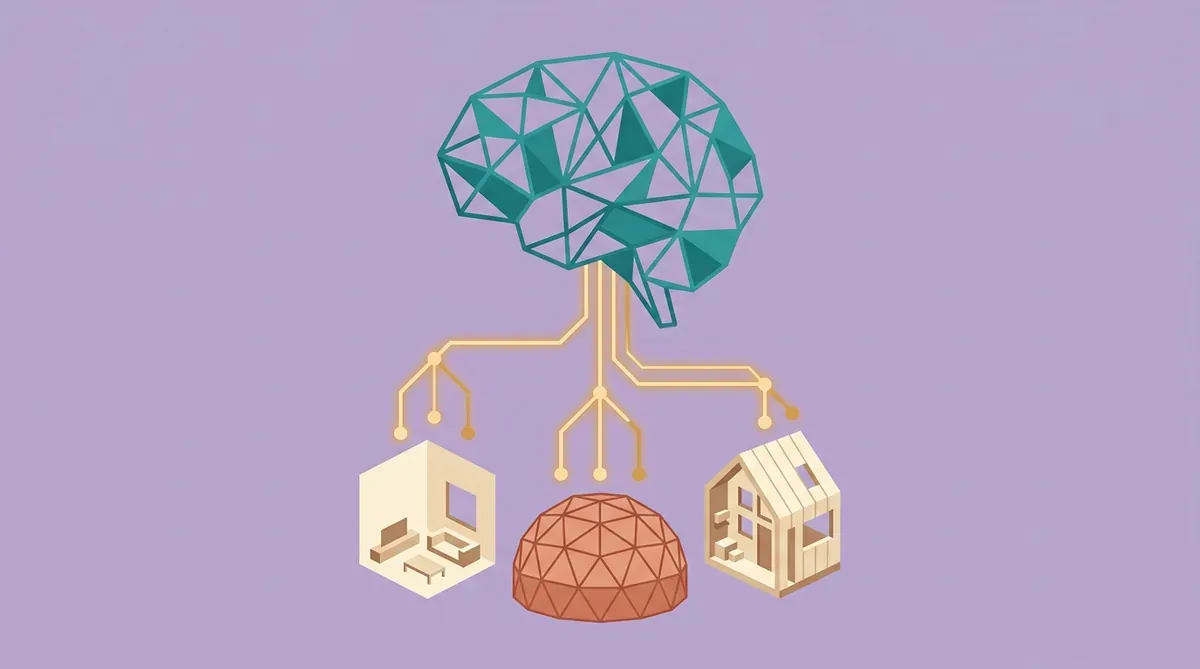
La neuroarquitectura es la ciencia que explica por qué el minimalismo consciente reduce fatiga de decisión, por qué el domo geodésico se siente distinto a habitar además de ser eficiente en construirlo, y por qué una mini casa bien diseñada puede sentirse más amplia que una casa grande mal resuelta
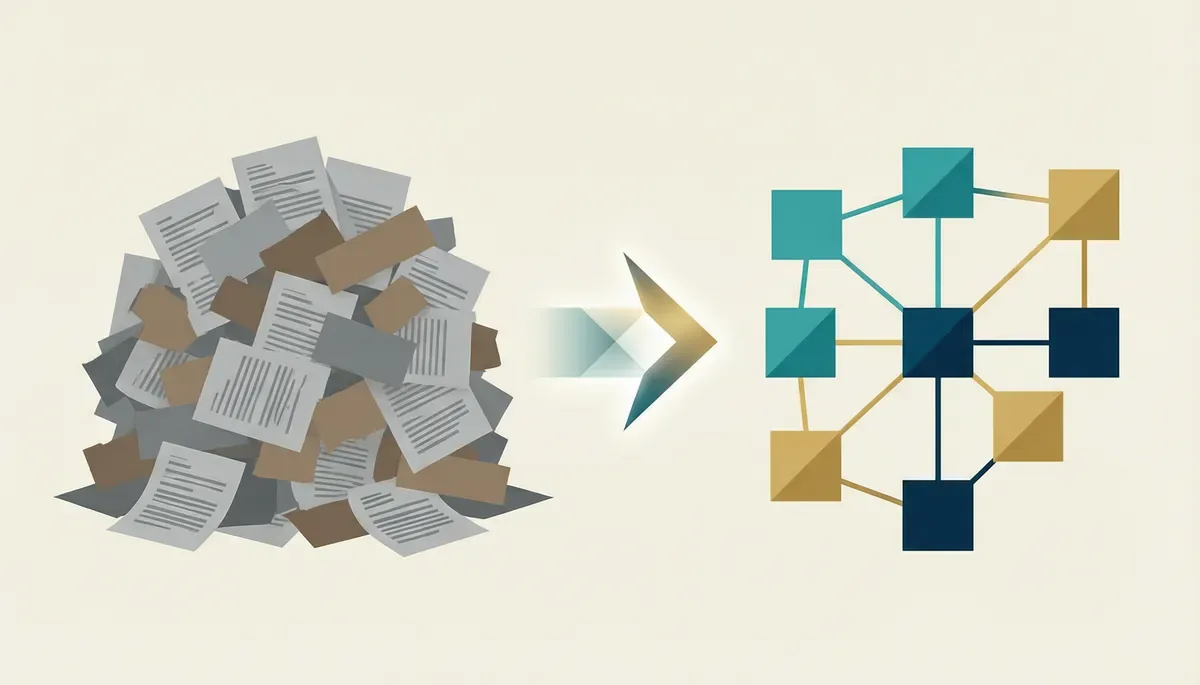
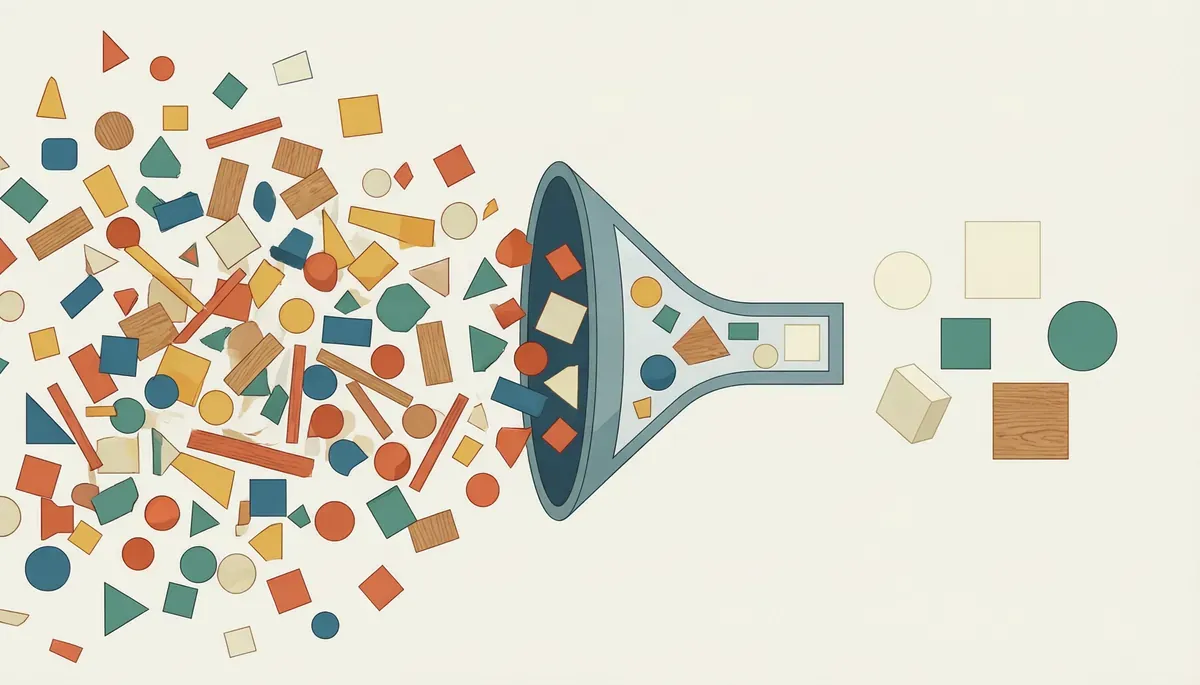
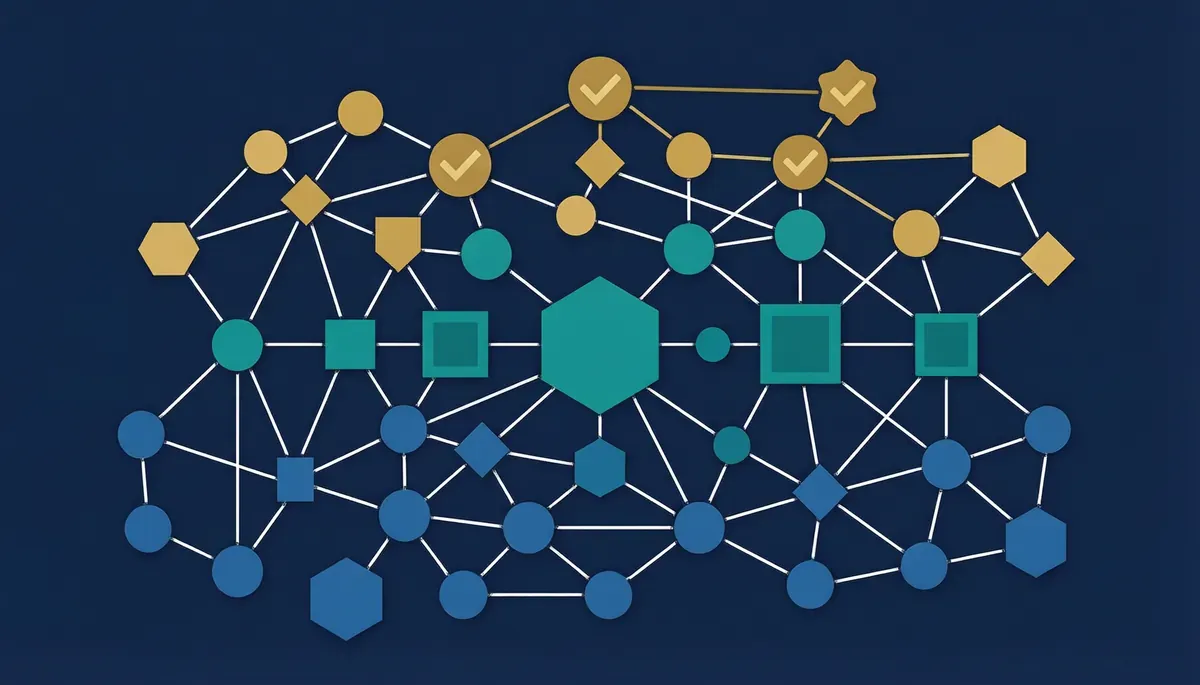
El salto de notas sueltas a un sistema cognitivo no se resuelve con una herramienta mejor — se resuelve con una arquitectura que distinga tipos de entidad y defina cómo se relacionan. Este nodo documenta el diseño del Sistema Cognitivo del Hub Soberano
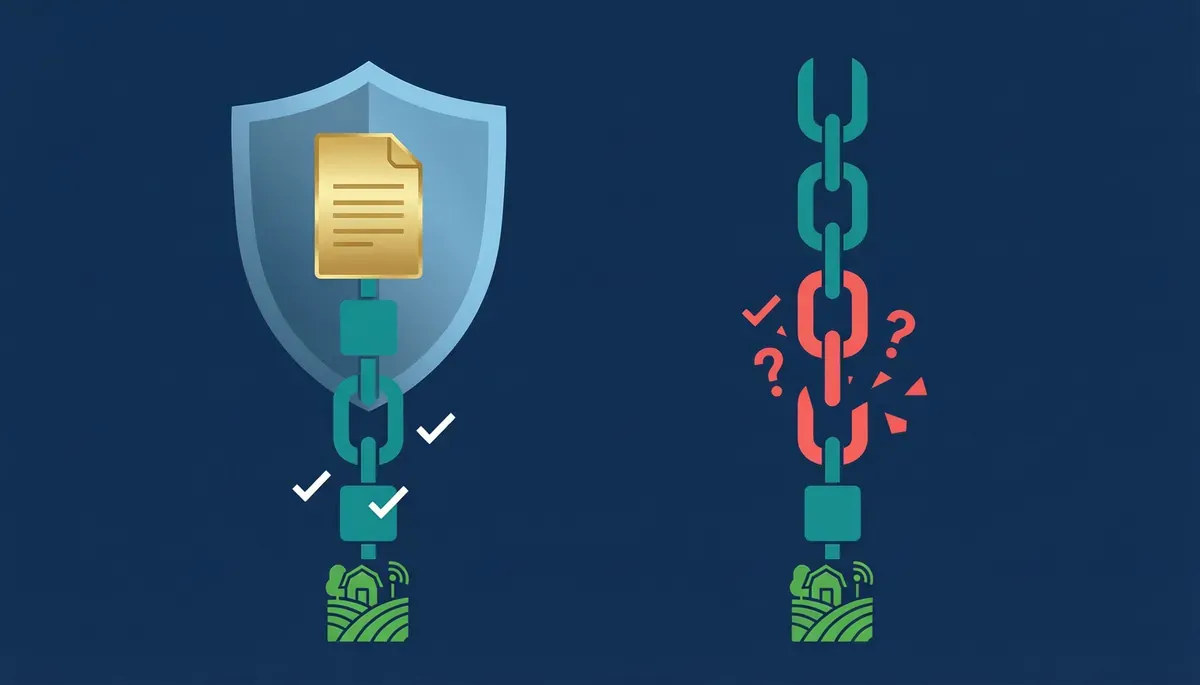
Este nodo explica qué exige realmente un reporte ESG que resista escrutinio en 2026, por qué la trazabilidad hasta el dato original —no la elocuencia del discurso— es lo único que distingue una comunicación de sostenibilidad legítima de un caso más de greenwashing
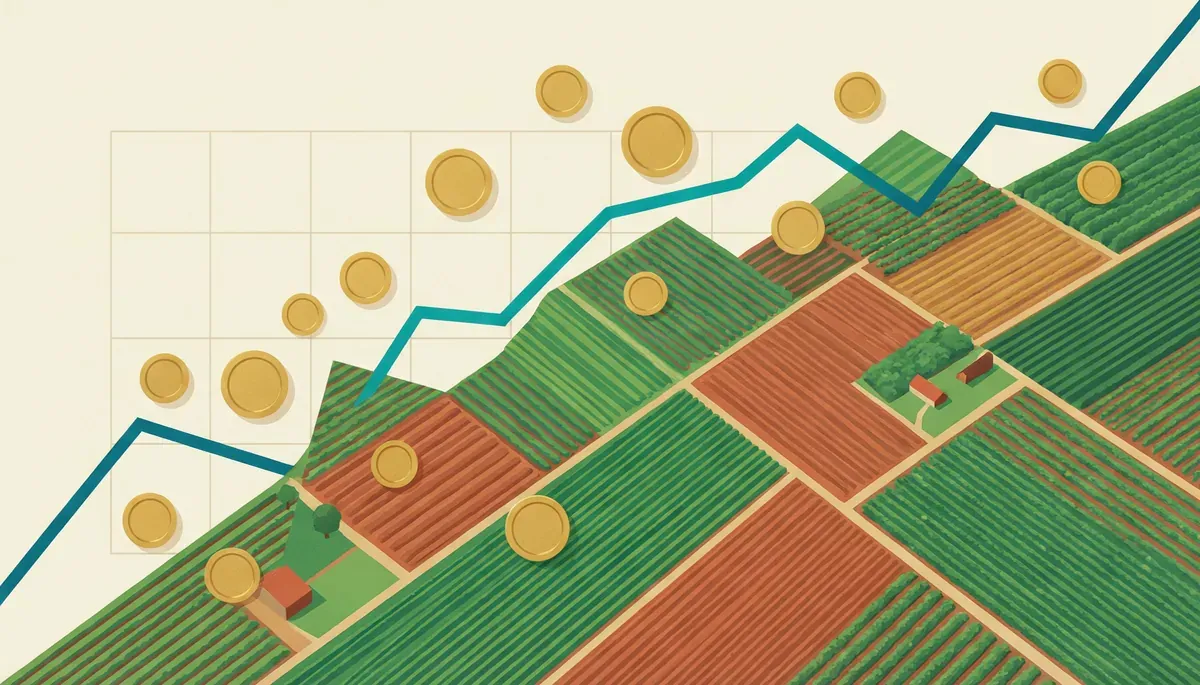
Antes de cualquier modelo financiero de un proyecto agroecológico, una pregunta: ¿el modelo asume rendimientos constantes desde el mes uno? Si la respuesta es sí, el Excel es optimista y el campo va a ser brutal. Los ciclos biológicos no negocian con los flujos de caja — el modelo tiene que adaptarse a ellos, no al revés
El jardín digital no es un blog con otro nombre ni una variante estética de las notas enlazadas. Es una arquitectura de conocimiento que decide entre dos caminos: la gestión manual que exige disciplina sobrehumana, o la automatización cognitiva que delega la poda y el enrutamiento a agentes.
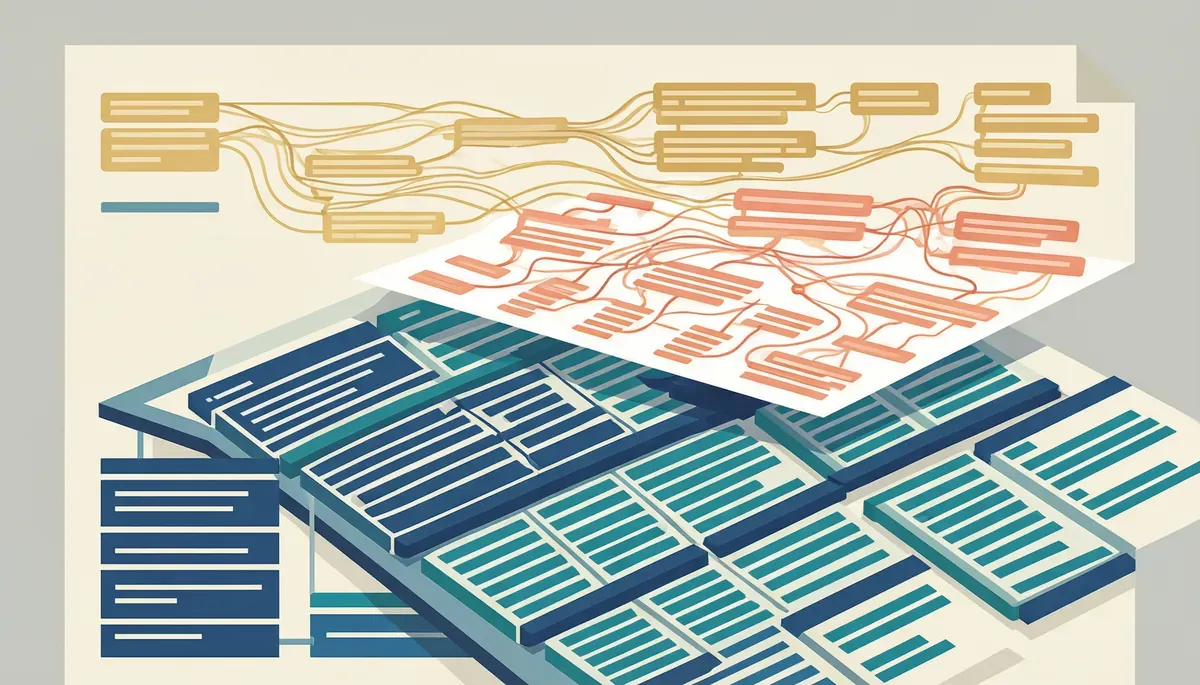
Un enlace que escribo en el párrafo y un campo que declaro en la cabecera no compiten — resuelven preguntas distintas. Confundirlos es la forma más común de terminar con un grafo caótico o con una base de datos rígida disfrazada de "segundo cerebro
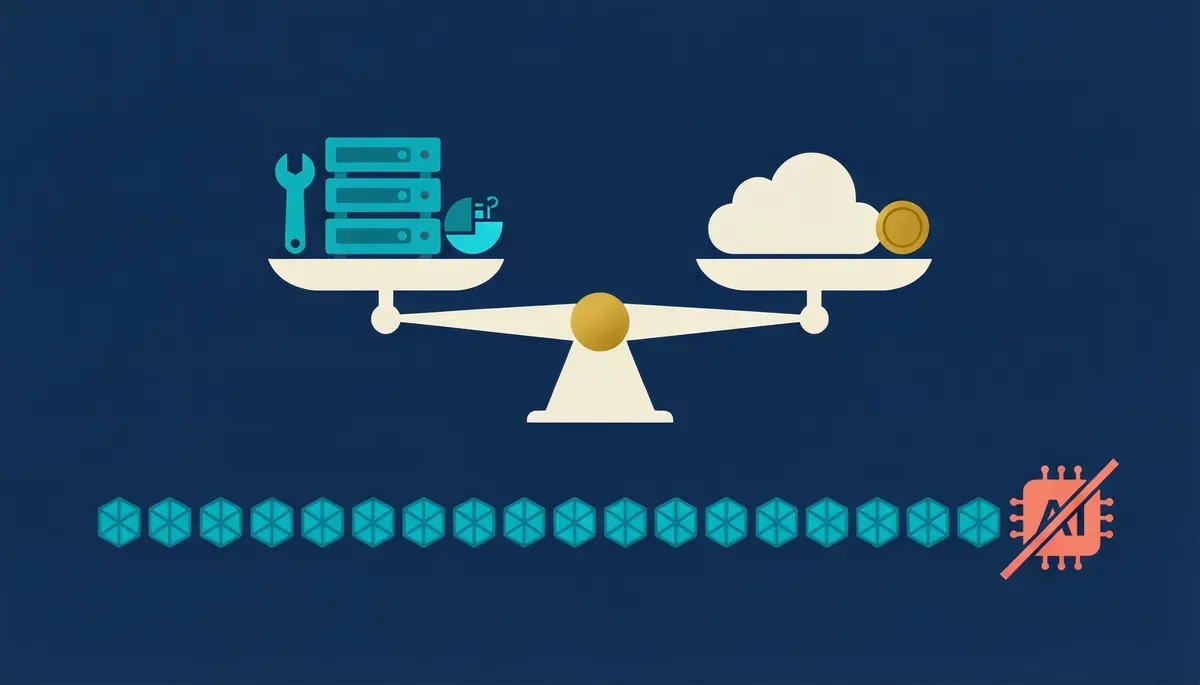
Ya tengo 25 contenedores corriendo en mi propio servidor. Portal, ERP, automatización, base de datos vectorial, gestor de credenciales — todo self-hosted. Y aun así, cuando llegó el momento de decidir dónde correr los modelos de IA, la respuesta fue: en ningún servidor mío.
Un sitio web que solo responde cuando alguien lo atiende no es un activo — es una obligación. Este nodo documenta por qué borré mi portafolio anterior y los cinco principios operativos del Hub Soberano que lo reemplazó
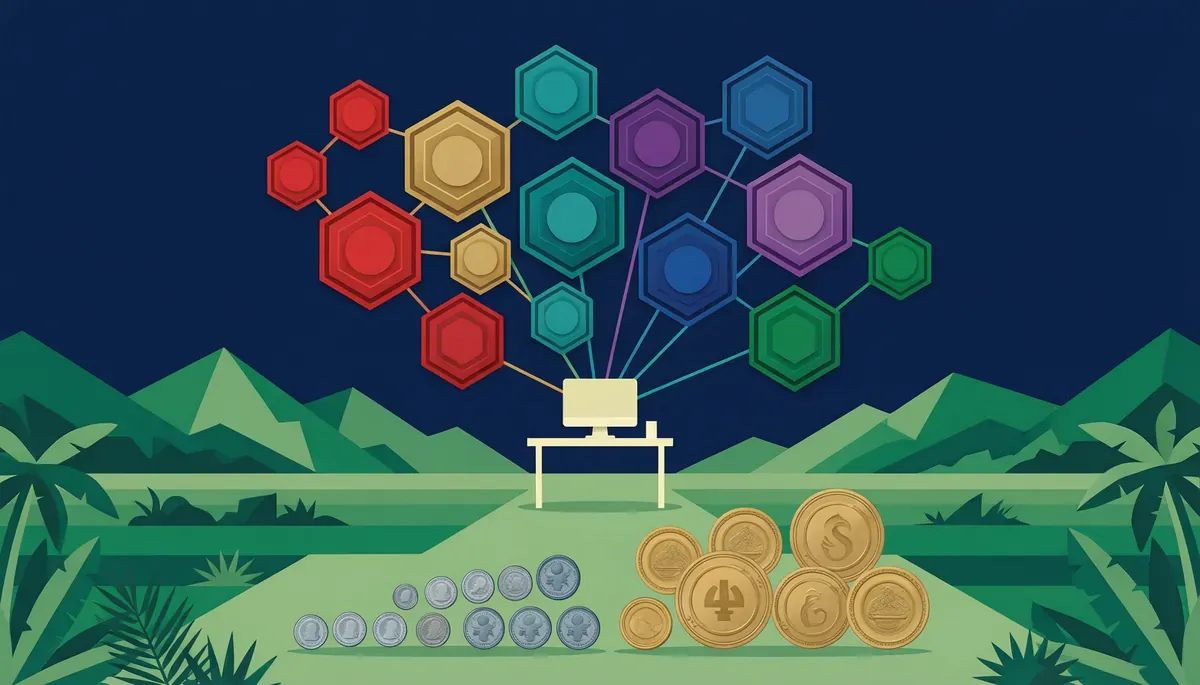
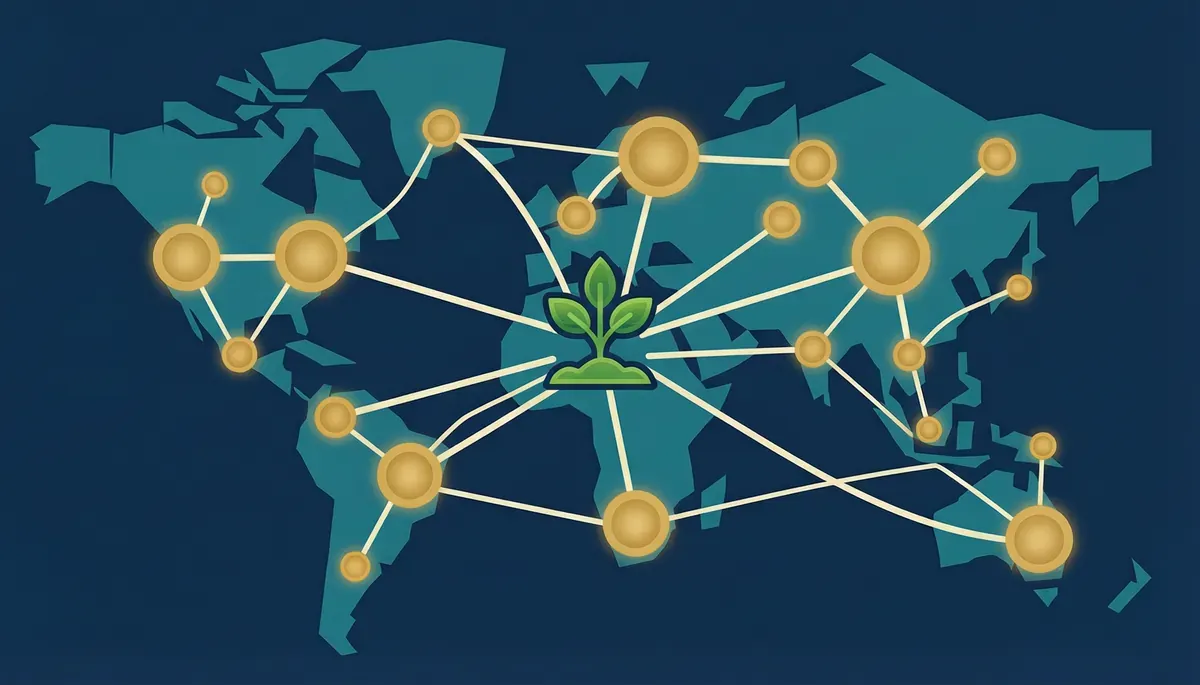
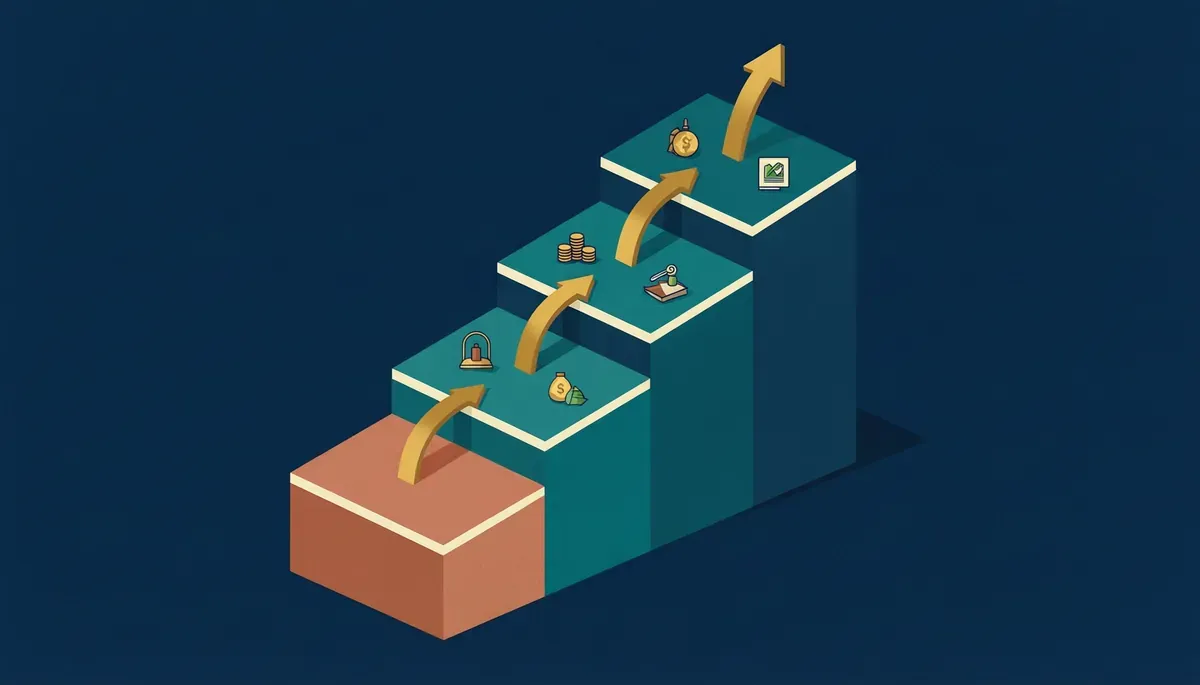
Documenta cómo Iwagé secuencia el acceso a instrumentos de financiación colombianos reales — Finagro, la Ley 1715, Créame, Minciencias — de forma que ninguno de ellos se convierta en la fuente principal de capital inicial, sino en una palanca que acelera una fase que ya se autofinanció con la anterior.
Suscríbete al Jardín Digital
Recibe reflexiones sobre soberanía tecnológica, diseño de software y proyectos socioambientales directos desde el campo.
✨
¡Suscripción iniciada! Revisa tu correo para confirmar tu suscripción.
⚠️
No pudimos procesar tu suscripción. Inténtalo de nuevo.
¿Quieres profundizar en algún tema?
Si alguna de estas notas resonó contigo o quieres colaborar en una idea, hablemos.