La antifragilidad no es un estado que se alcanza — es una práctica que se sostiene. La pregunta más honesta no es "¿soy resiliente?" sino "¿qué parte de lo que soy hoy sobrevive si la parte que más me importa mañana deja de funcionar?" La respuesta a eso es el mapa de lo que falta construir.
La diferencia entre un nudge y una trampa es simple: el nudge lleva al usuario hacia donde él ya quería ir. La trampa lo lleva hacia donde tú quieres que vaya
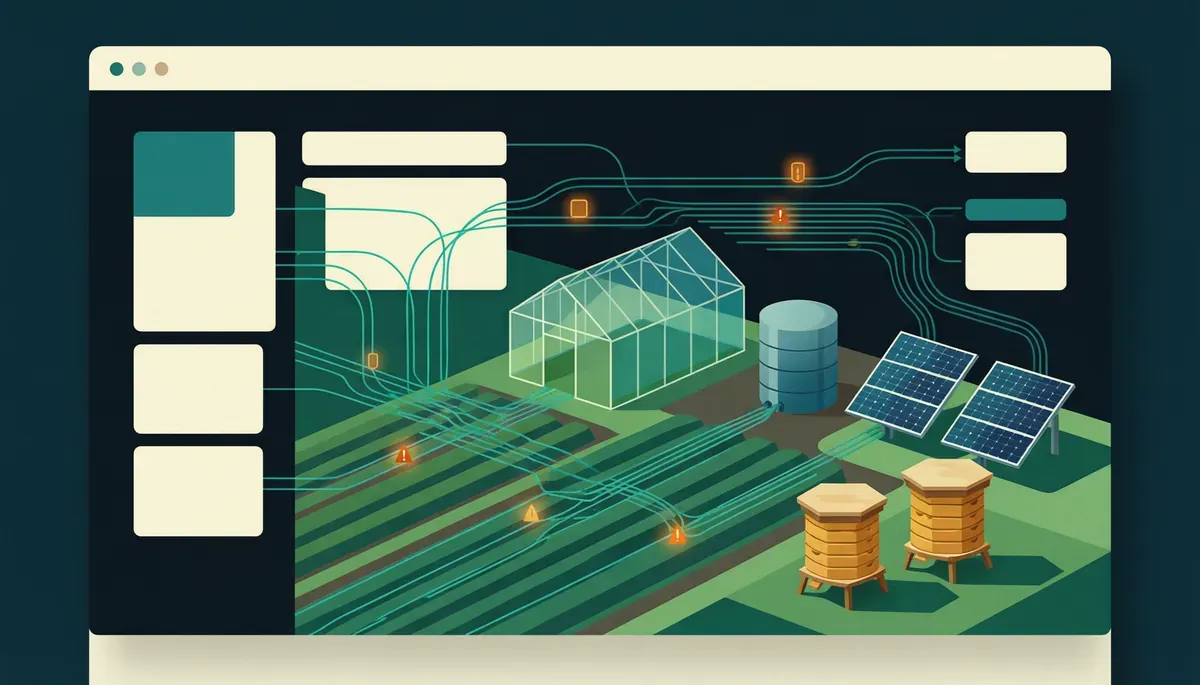
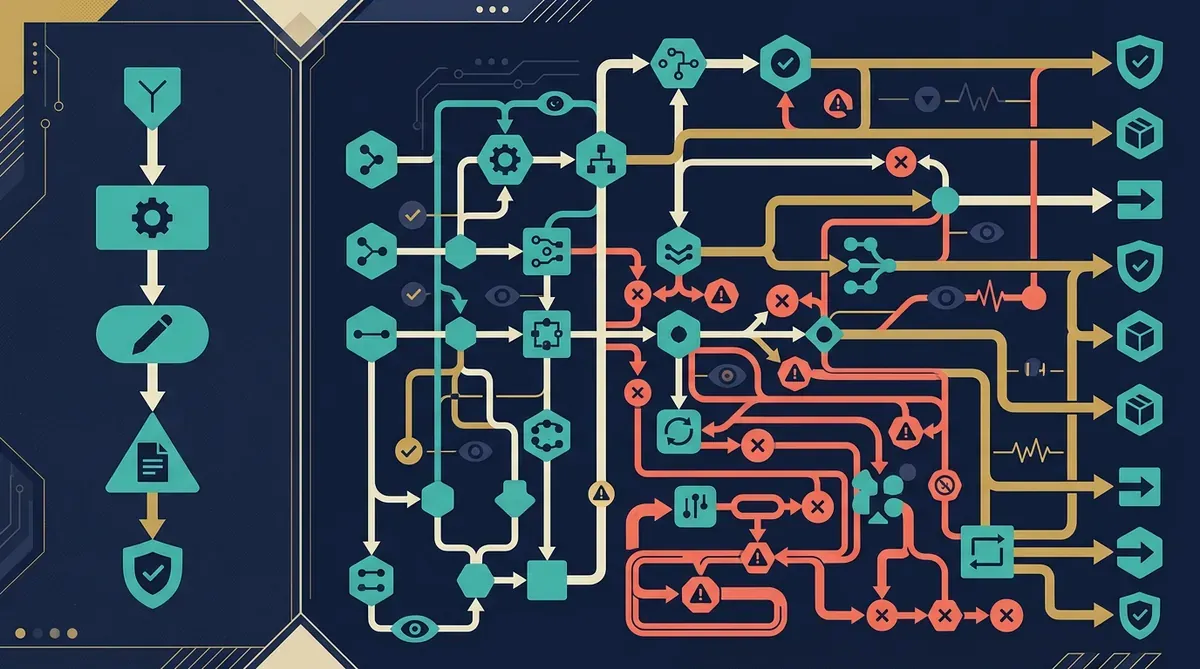
Si cada subsistema de la granja —meliponario, solar, hídrico, agroecosistema— es un instrumento de una orquesta, Home Assistant con InfluxDB y Grafana es la partitura que permite ver, por primera vez, cómo suenan todos juntos — no solo escuchar cada instrumento por separado
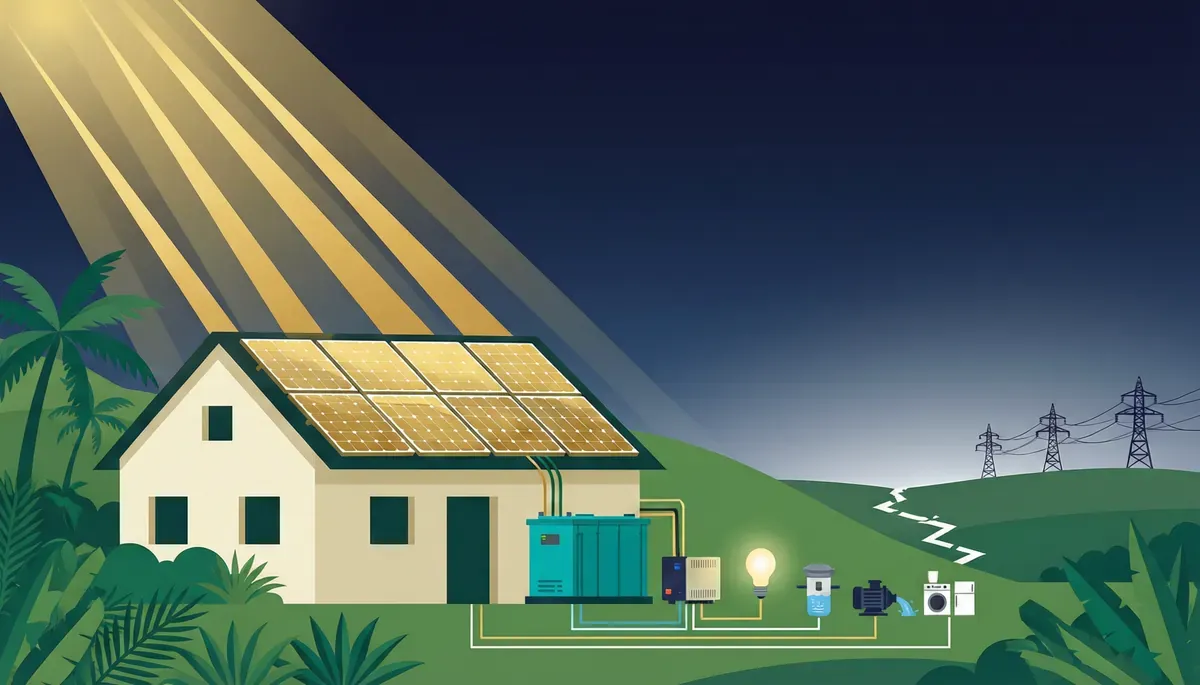
Este nodo explica cómo se dimensiona realmente un sistema off-grid para una granja con automatización, qué dice exactamente la Ley 1715 sobre cada uno de sus cuatro beneficios, dónde están los riesgos reales de aplicarla mal, y qué significa
El SEO optimizaba para que Google te encontrara. GEO optimiza para que Claude, ChatGPT o Perplexity te recomienden cuando alguien hace una pregunta que tú puedes responder.
Este nodo es la parte 1 de 3 del Libro de la Vida. El plano más importante no es el de lo que vas a construir. Es el de quién eres cuando no estás construyendo nada.
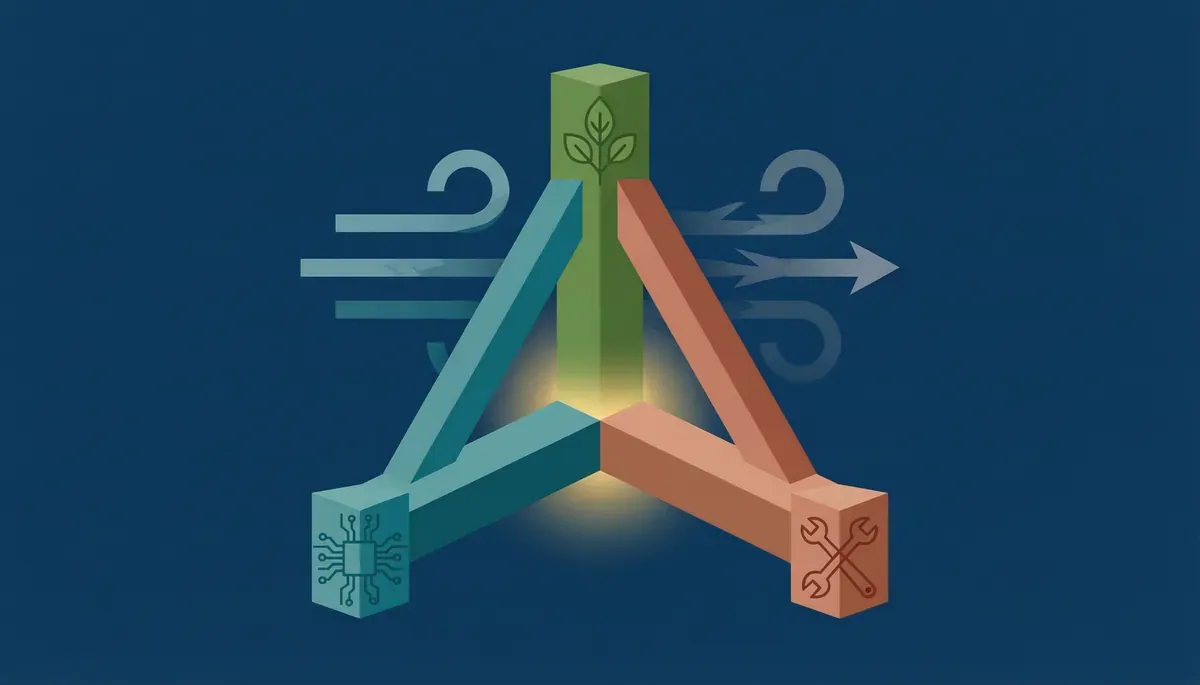
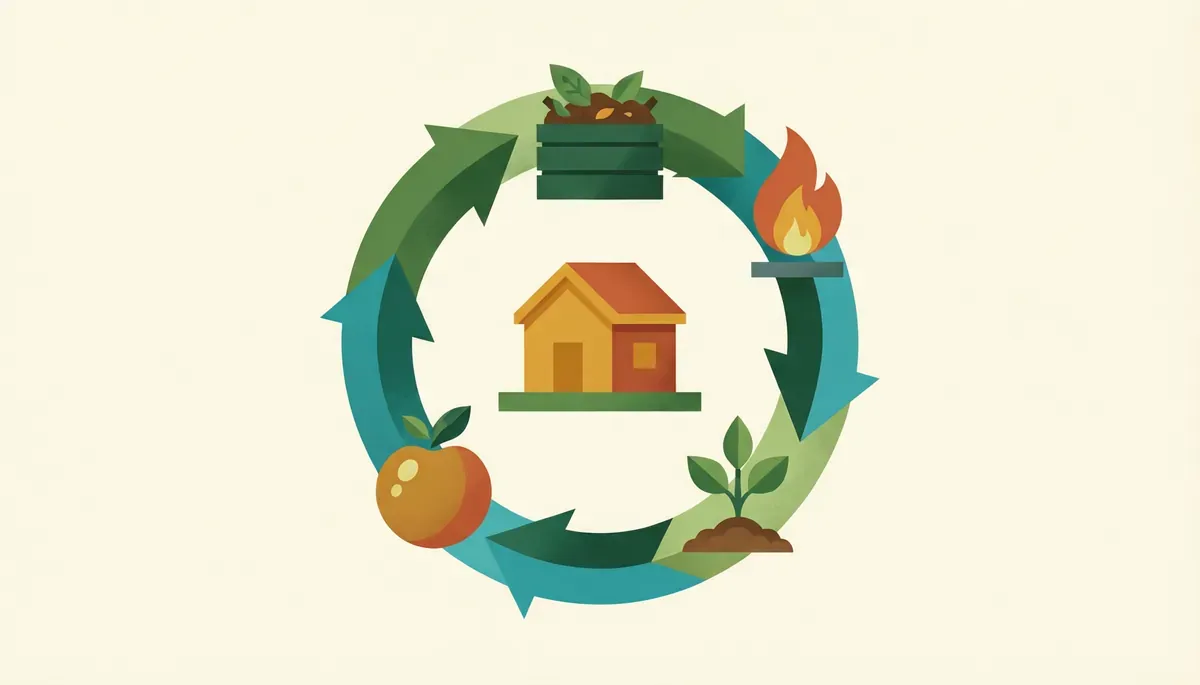
Este nodo explica cómo se dimensiona cada una de las tres piezas, qué las conecta entre sí como una sola bio-refinería en lugar de tres proyectos separados, y qué barreras reales —técnicas y culturales
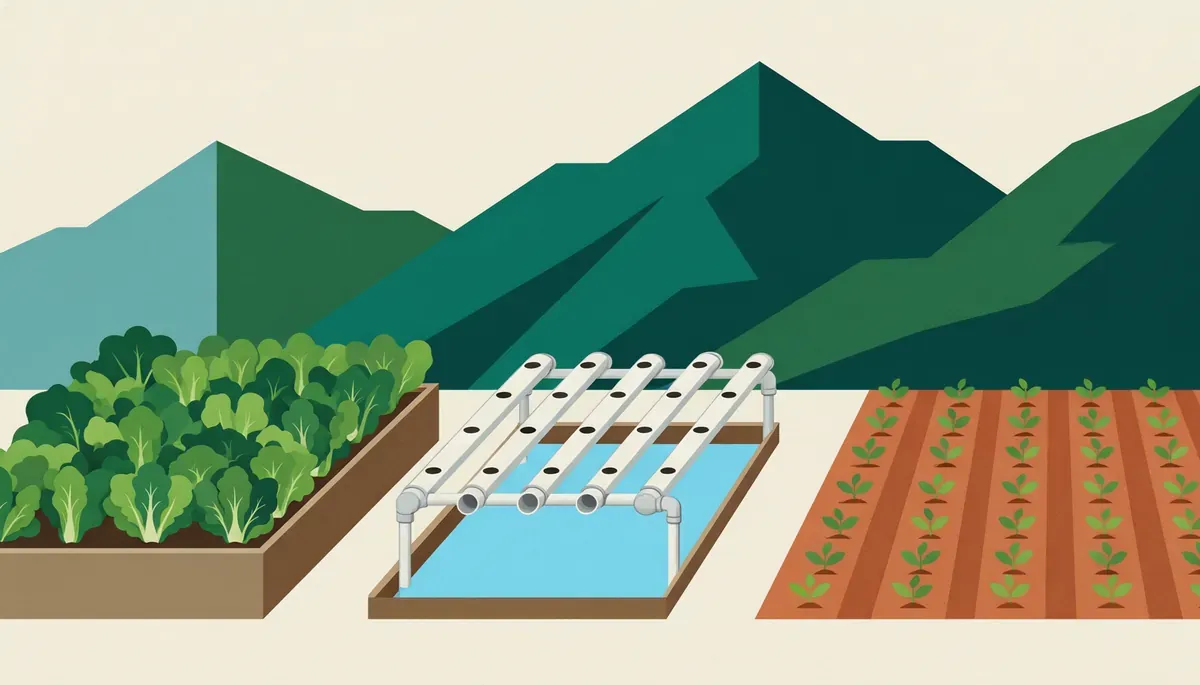
Define por qué el clima de Ibagué exige un calendario distinto al de cualquier guía de siembra genérica, cómo tres sistemas de cultivo aparentemente distintos —wicking bed, hidroponía vertical y permacultura de bancales— se complementan en lugar de competir, y cómo este subsistema recibe directamente los insumos que el ciclo hídrico y la bio-refinería ya producen.
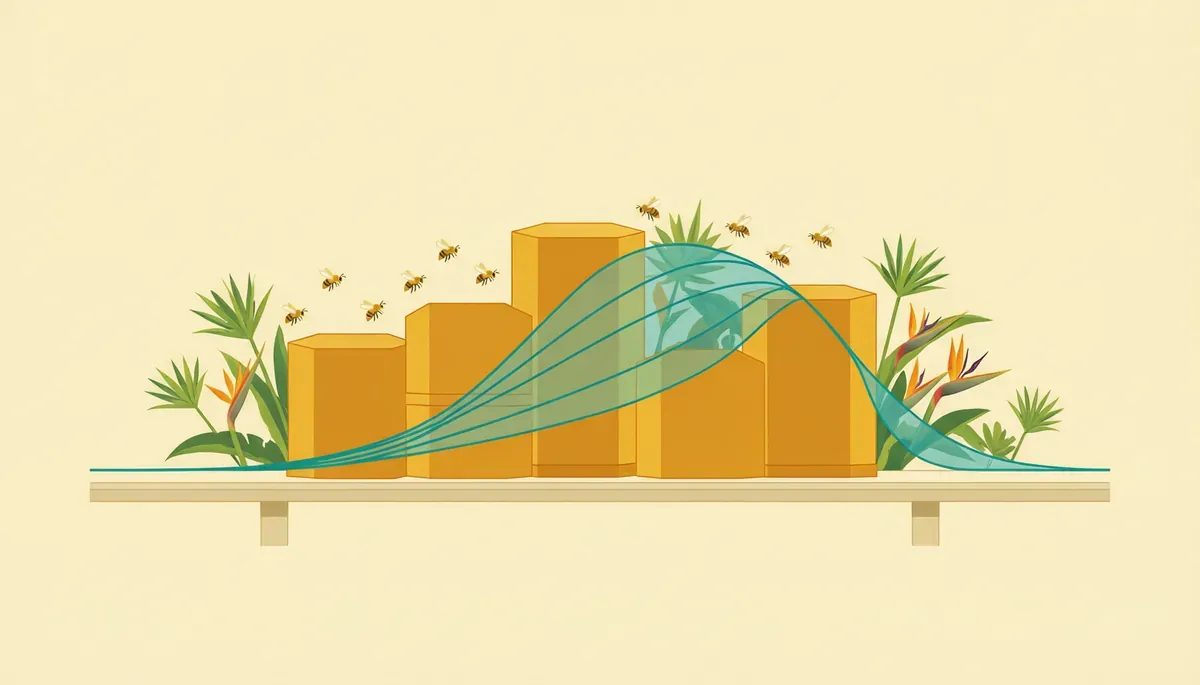
Antes de invertir en o asociarse con un proyecto de meliponicultura, una pregunta directa: ¿el modelo financiero que te están mostrando incluye rangos de incertidumbre biológica reales, o cifras únicas que asumen que la colonia se comporta como una fábrica? La respuesta a eso distingue un modelo honesto de uno que todavía no se ha encontrado con el campo
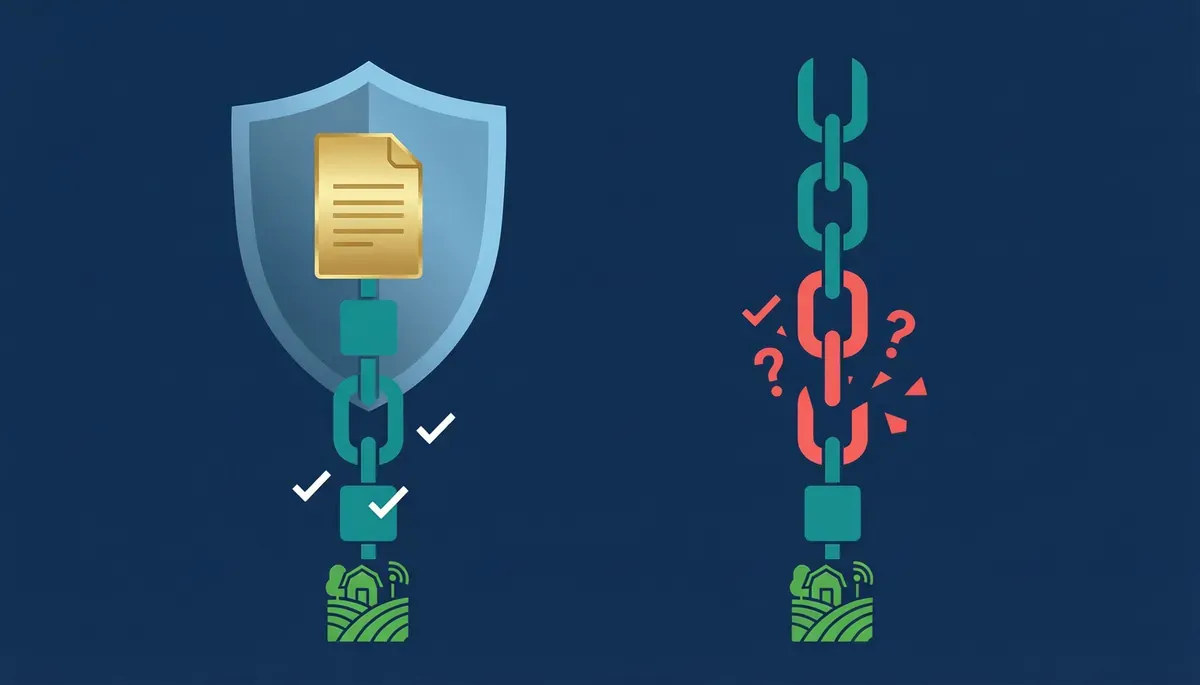
Este nodo explica qué exige realmente un reporte ESG que resista escrutinio en 2026, por qué la trazabilidad hasta el dato original —no la elocuencia del discurso— es lo único que distingue una comunicación de sostenibilidad legítima de un caso más de greenwashing
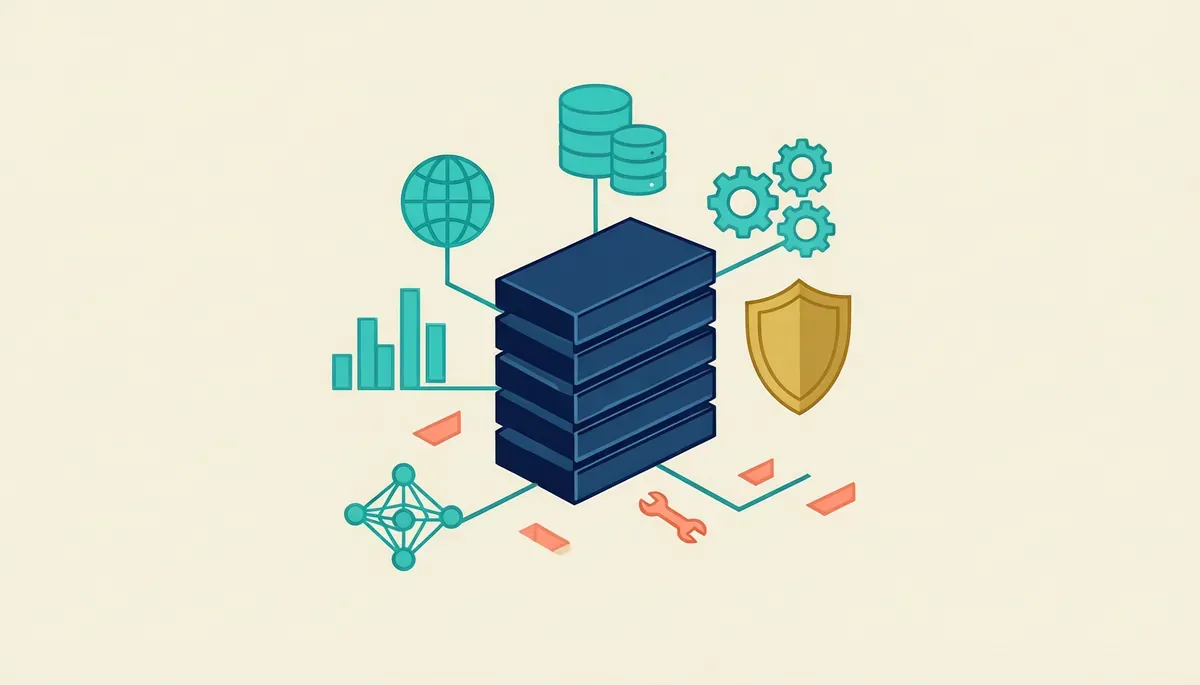
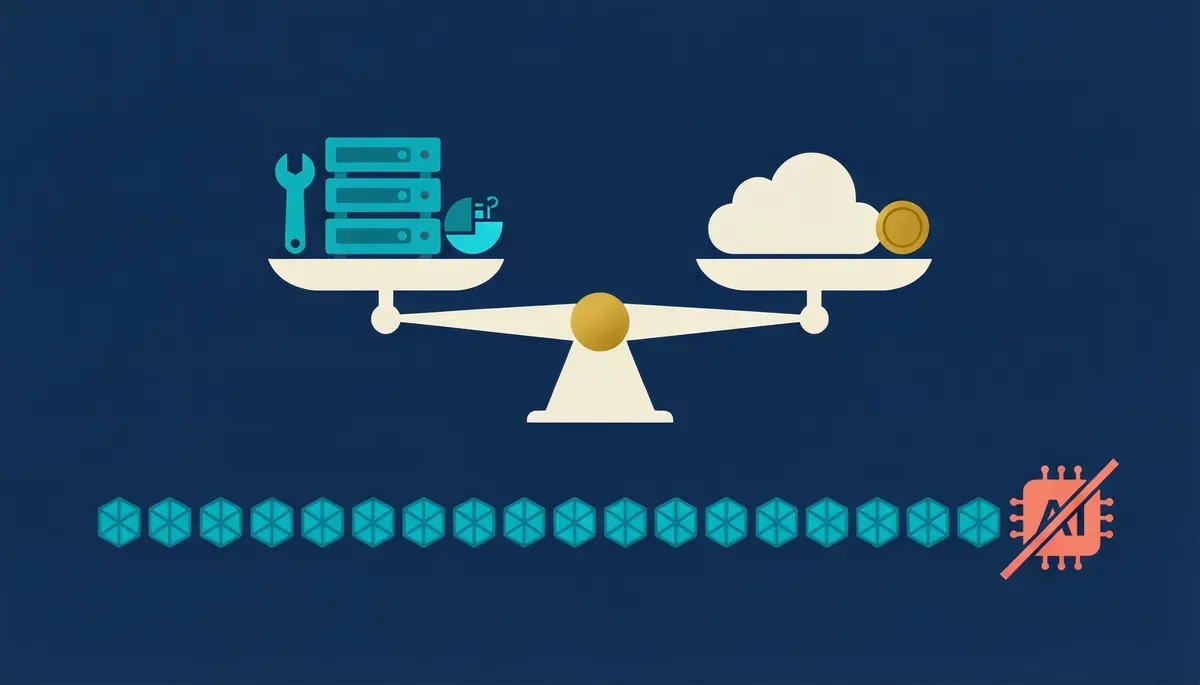
Ya tengo 25 contenedores corriendo en mi propio servidor. Portal, ERP, automatización, base de datos vectorial, gestor de credenciales — todo self-hosted. Y aun así, cuando llegó el momento de decidir dónde correr los modelos de IA, la respuesta fue: en ningún servidor mío.
Suscríbete al Jardín Digital
Recibe reflexiones sobre soberanía tecnológica, diseño de software y proyectos socioambientales directos desde el campo.
✨
¡Suscripción iniciada! Revisa tu correo para confirmar tu suscripción.
⚠️
No pudimos procesar tu suscripción. Inténtalo de nuevo.
¿Quieres profundizar en algún tema?
Si alguna de estas notas resonó contigo o quieres colaborar en una idea, hablemos.