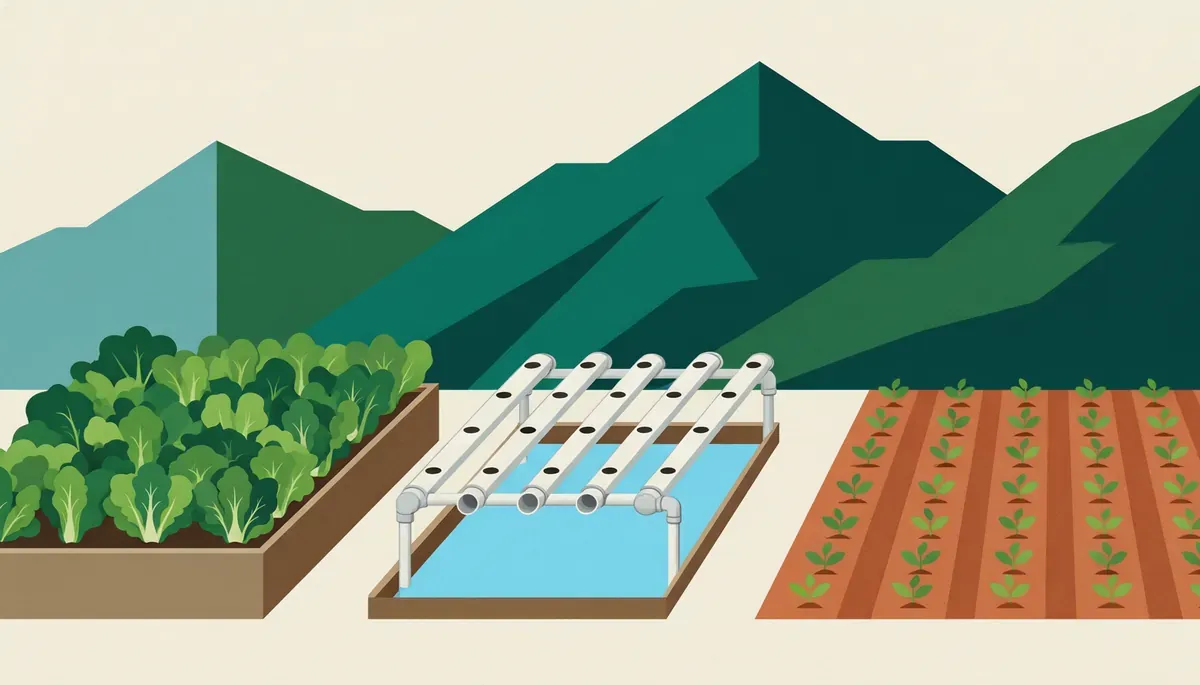
Define por qué el clima de Ibagué exige un calendario distinto al de cualquier guía de siembra genérica, cómo tres sistemas de cultivo aparentemente distintos —wicking bed, hidroponía vertical y permacultura de bancales— se complementan en lugar de competir, y cómo este subsistema recibe directamente los insumos que el ciclo hídrico y la bio-refinería ya producen.
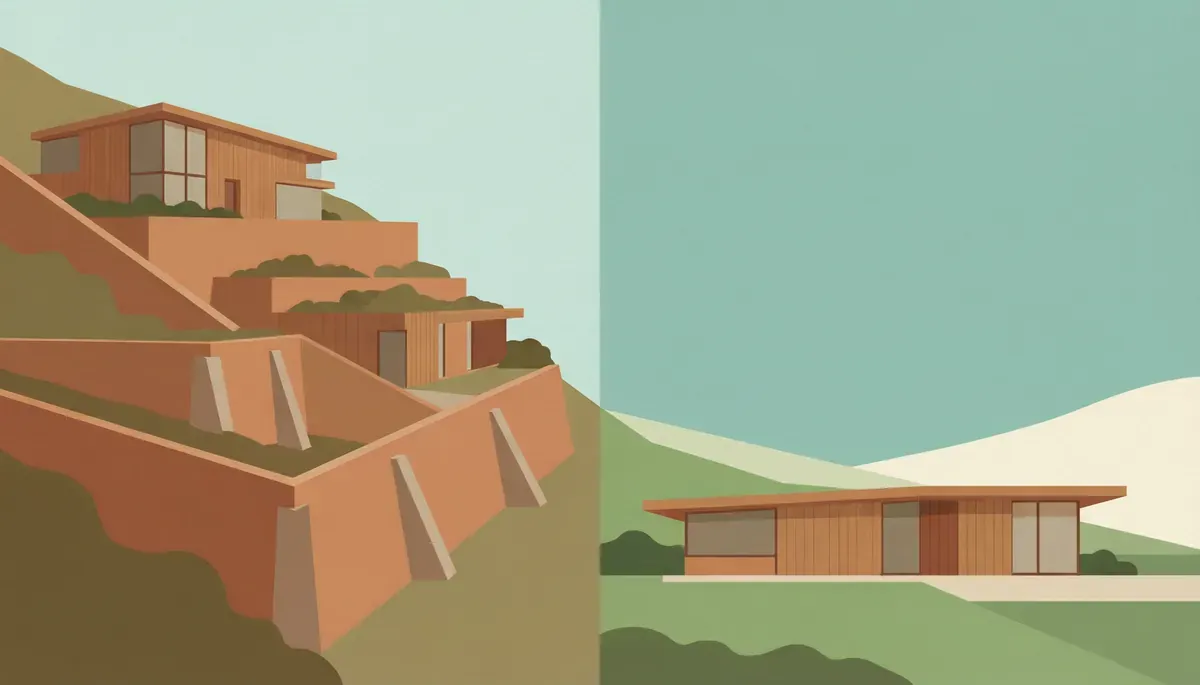
Este nodo es el puente — explica qué es la bioarquitectura como disciplina, por qué el terreno de pendiente y el terreno plano no admiten la misma solución técnica aunque compartan los mismos siete principios bioclimáticos
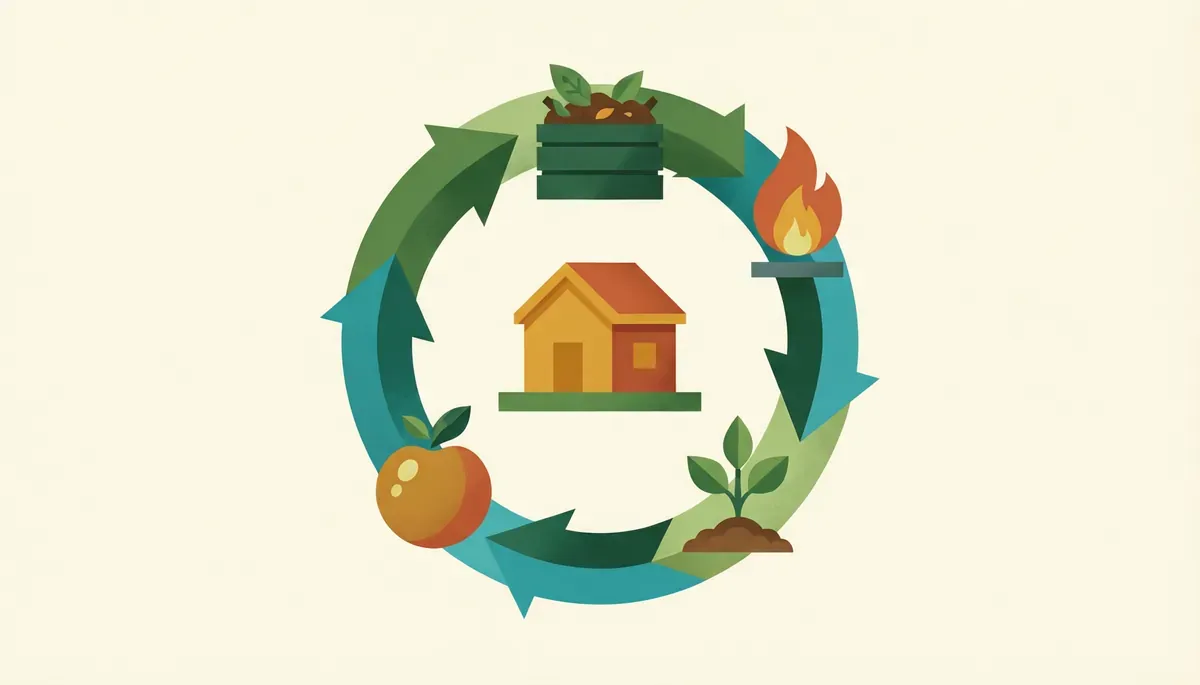
Este nodo explica cómo se dimensiona cada una de las tres piezas, qué las conecta entre sí como una sola bio-refinería en lugar de tres proyectos separados, y qué barreras reales —técnicas y culturales
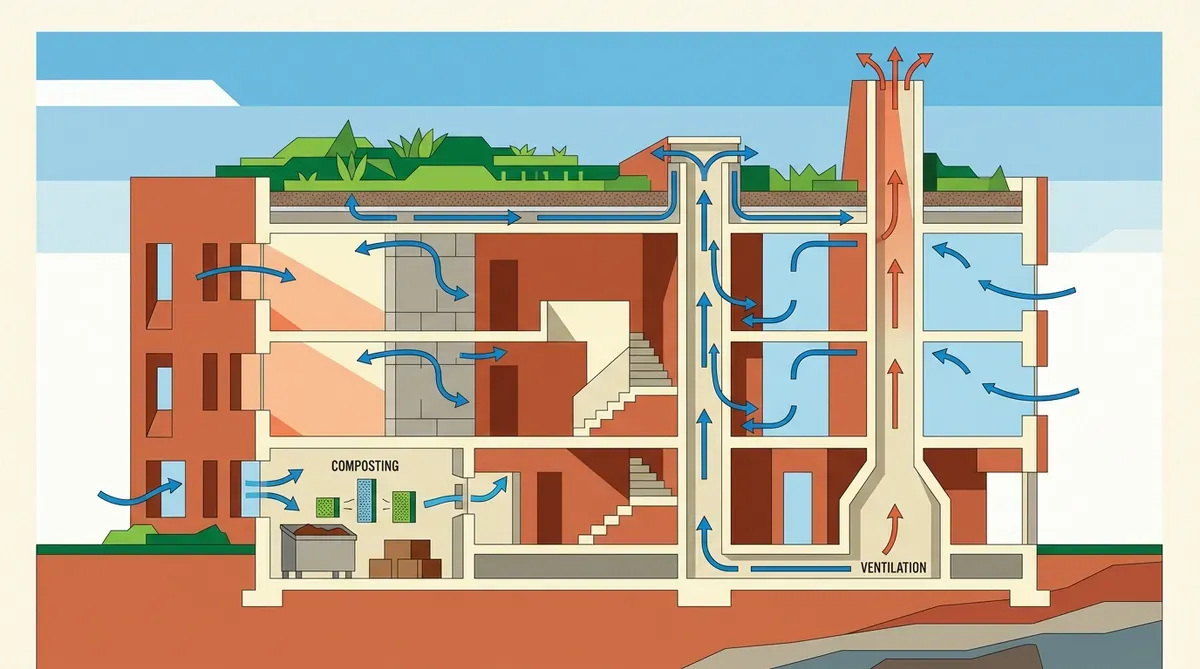
Este nodo desarrolla las tres técnicas que la granja Iwagé mezcla para resolver ambos retos — el pozo provenzal/canadiense como intercambiador geotérmico pasivo, las esclusas y masa térmica del diseño Earthship, y el control de olor por relación carbono-nitrógeno ya aplicable al sanitario seco
Se presenta el sistema de captura de campo que convirtió al meliponario en el único subsistema de Iwagé con evidencia real, adaptado a las tres etapas reales de una operación de meliponicultura: la captura en trampas, la operación diaria del meliponario, y la entrega y distribución del producto.
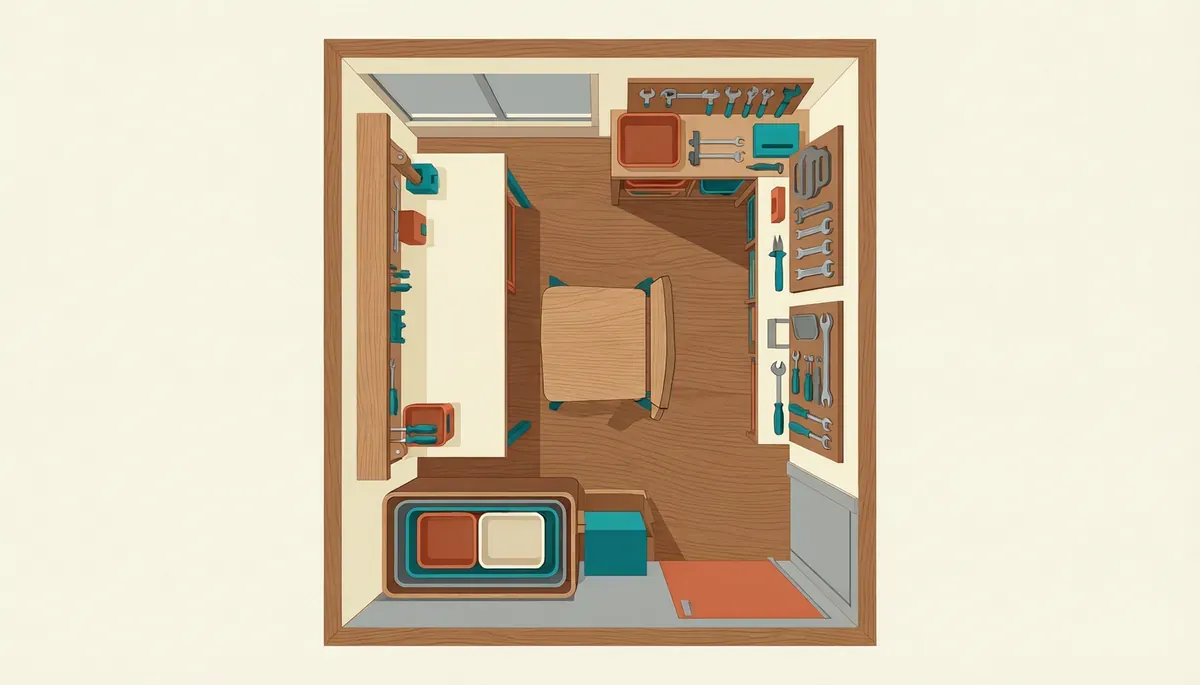
Antes de comprar cualquier mueble para un espacio reducido, una pregunta: ¿este mueble está diseñado para este espacio específico o para un espacio genérico al que se adaptará como pueda? La diferencia entre las dos respuestas determina si el espacio funciona o si solo se ve bien en el plano
El código fuente de tu vida no se escribe una vez. Se construye, proyecto tras proyecto, colmena tras colmena, trazo tras trazo. No importa si hoy solo tienes una libreta y una idea
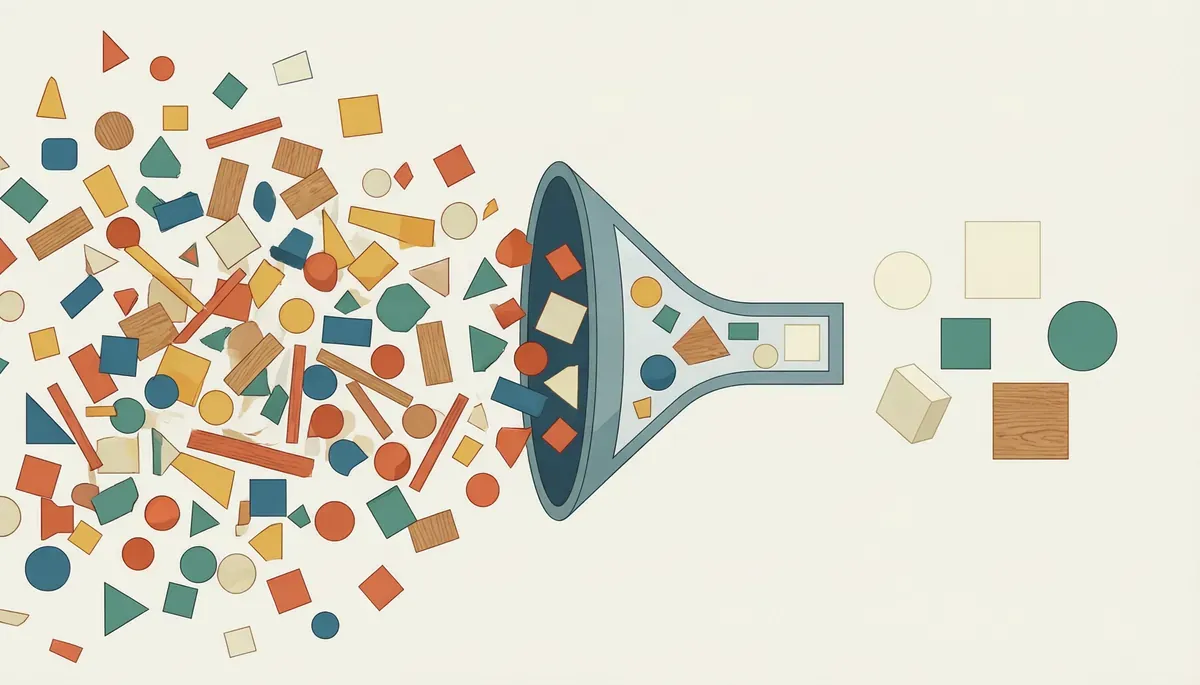
Este nodo documenta el minimalismo consciente como protocolo de decisión: un sistema deliberado para reducir el número de decisiones que un espacio, un mueble o un flujo de trabajo le exige al cerebr
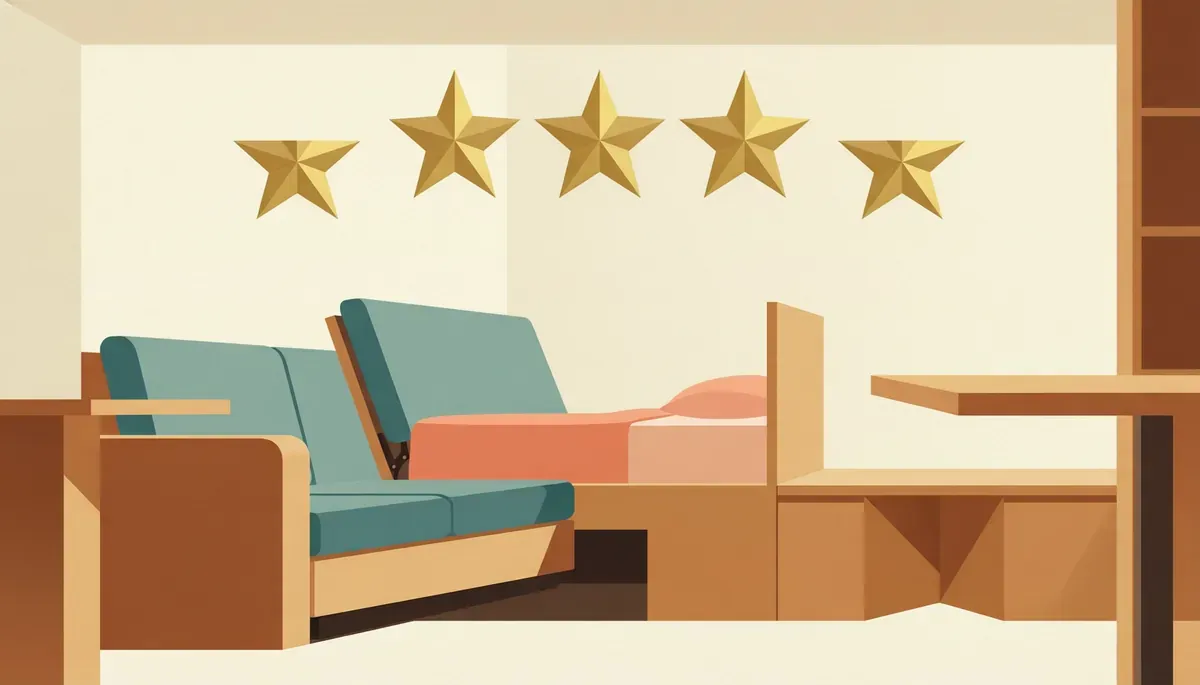
Este nodo documenta por qué el mobiliario multifuncional bien diseñado no solo resuelve el problema físico del espacio reducido —ya cubierto en el nodo anterior— sino que actúa directamente sobre la calificación del huésped, que a su vez determina si tu propiedad aparece en las búsquedas filtradas, cuánto puedes cobrar por noche y cuántas noches vacías tienes al me
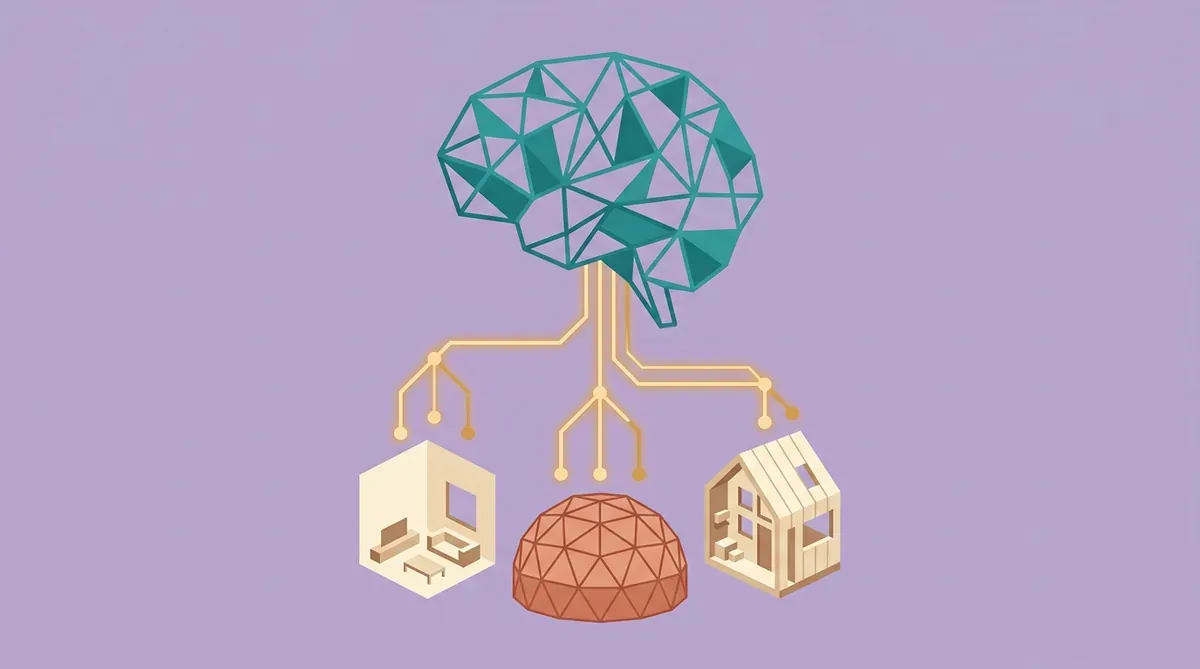
La neuroarquitectura es la ciencia que explica por qué el minimalismo consciente reduce fatiga de decisión, por qué el domo geodésico se siente distinto a habitar además de ser eficiente en construirlo, y por qué una mini casa bien diseñada puede sentirse más amplia que una casa grande mal resuelta
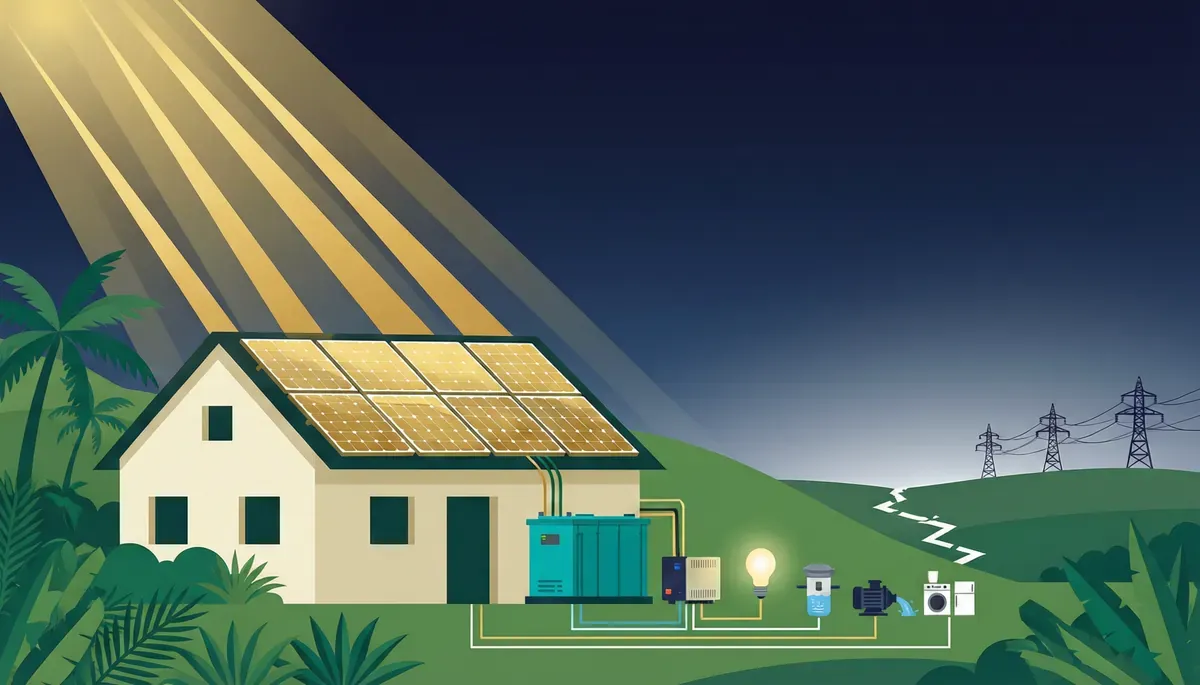
Este nodo explica cómo se dimensiona realmente un sistema off-grid para una granja con automatización, qué dice exactamente la Ley 1715 sobre cada uno de sus cuatro beneficios, dónde están los riesgos reales de aplicarla mal, y qué significa
Subscribe to the Digital Garden
Receive reflections on technological sovereignty, software design, and socio-environmental projects directly from the field.
✨
Subscription started! Check your email to confirm your subscription.
⚠️
We couldn't process your subscription. Please try again.
Want to dive deeper into a topic?
If any of these notes resonated with you or you'd like to collaborate on an idea, let's talk.