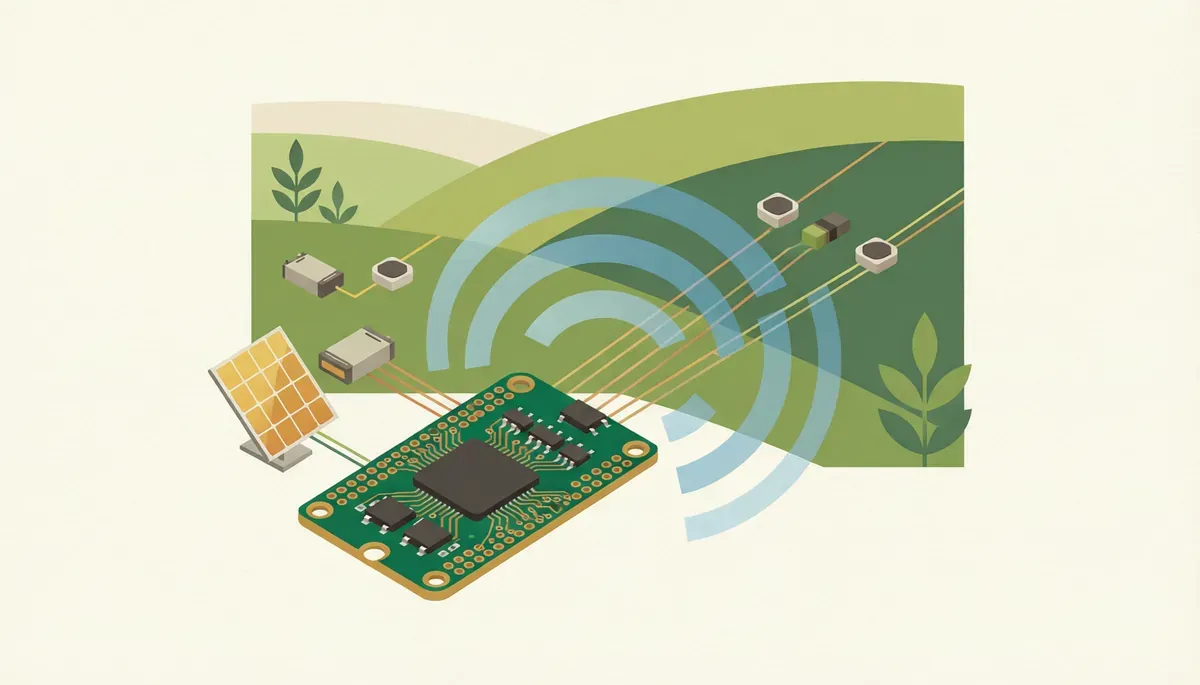
Este nodo define caja: cómo funciona realmente el ciclo de sueño profundo que hace posible esa eficiencia, qué papel juega la memoria RTC para que el sensor no pierda el hilo entre despertar y despertar, y cómo el Edge Gateway con Redis
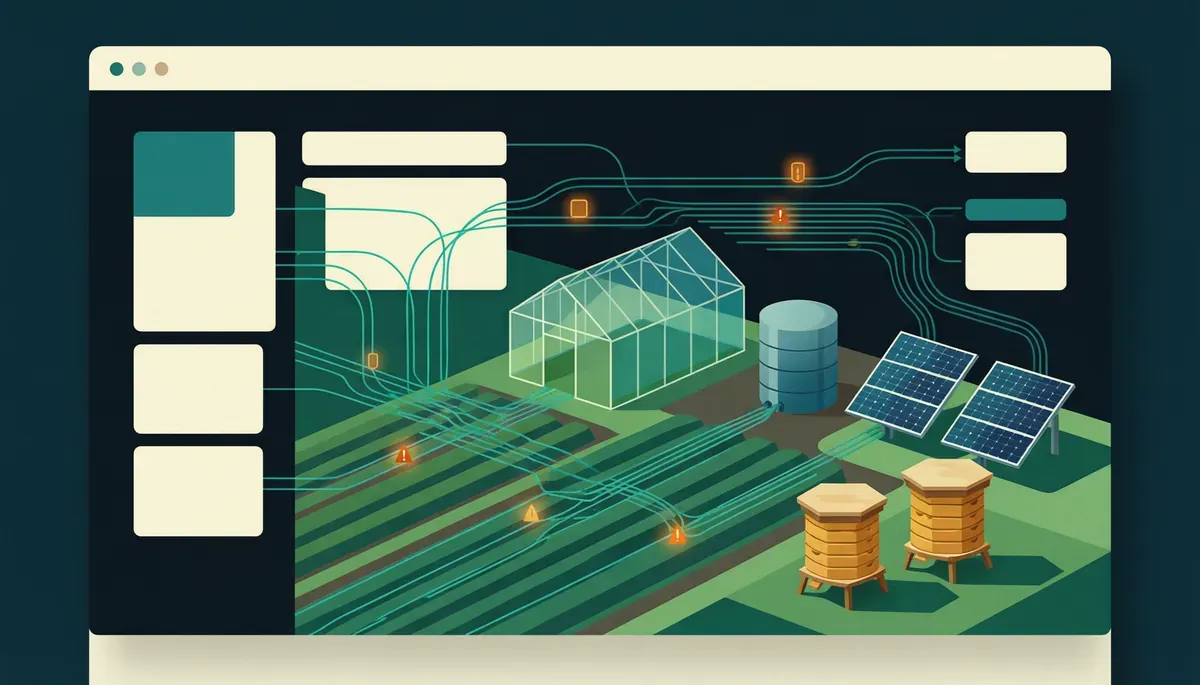
Si cada subsistema de la granja —meliponario, solar, hídrico, agroecosistema— es un instrumento de una orquesta, Home Assistant con InfluxDB y Grafana es la partitura que permite ver, por primera vez, cómo suenan todos juntos — no solo escuchar cada instrumento por separado
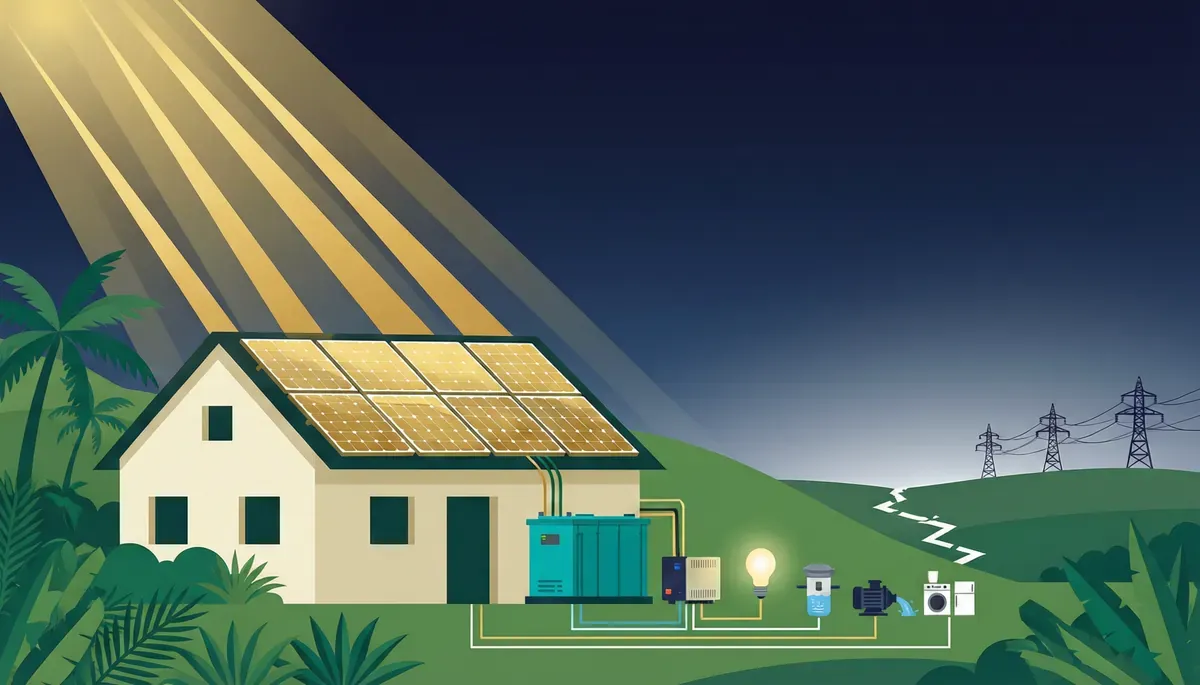
Este nodo explica cómo se dimensiona realmente un sistema off-grid para una granja con automatización, qué dice exactamente la Ley 1715 sobre cada uno de sus cuatro beneficios, dónde están los riesgos reales de aplicarla mal, y qué significa
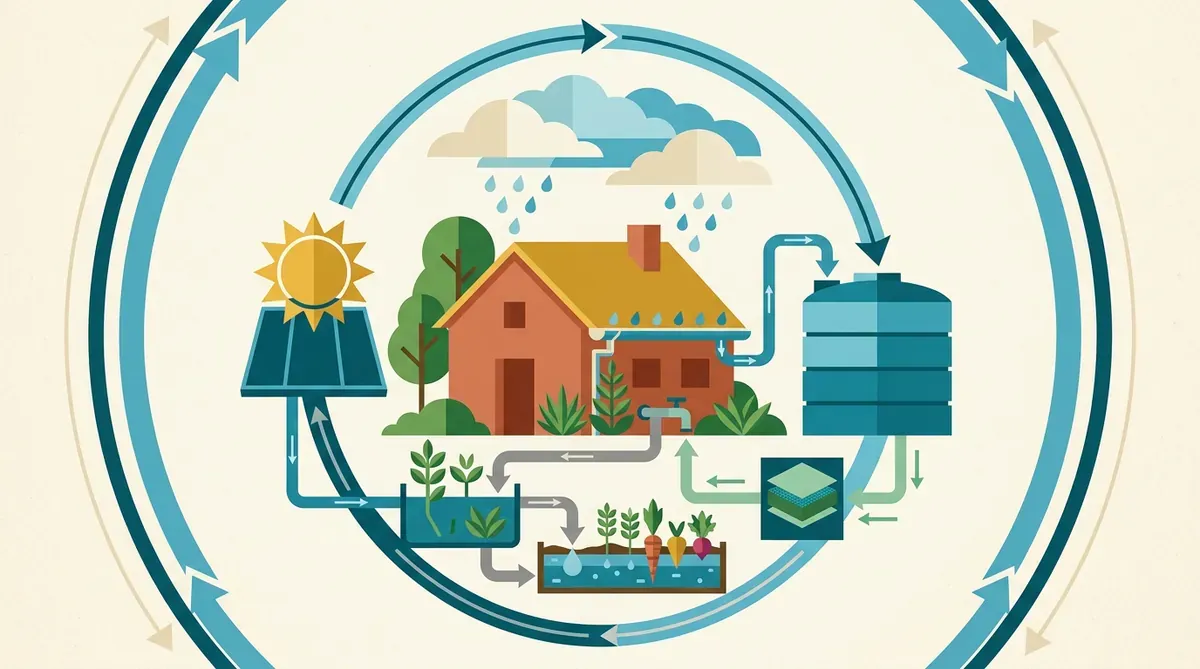
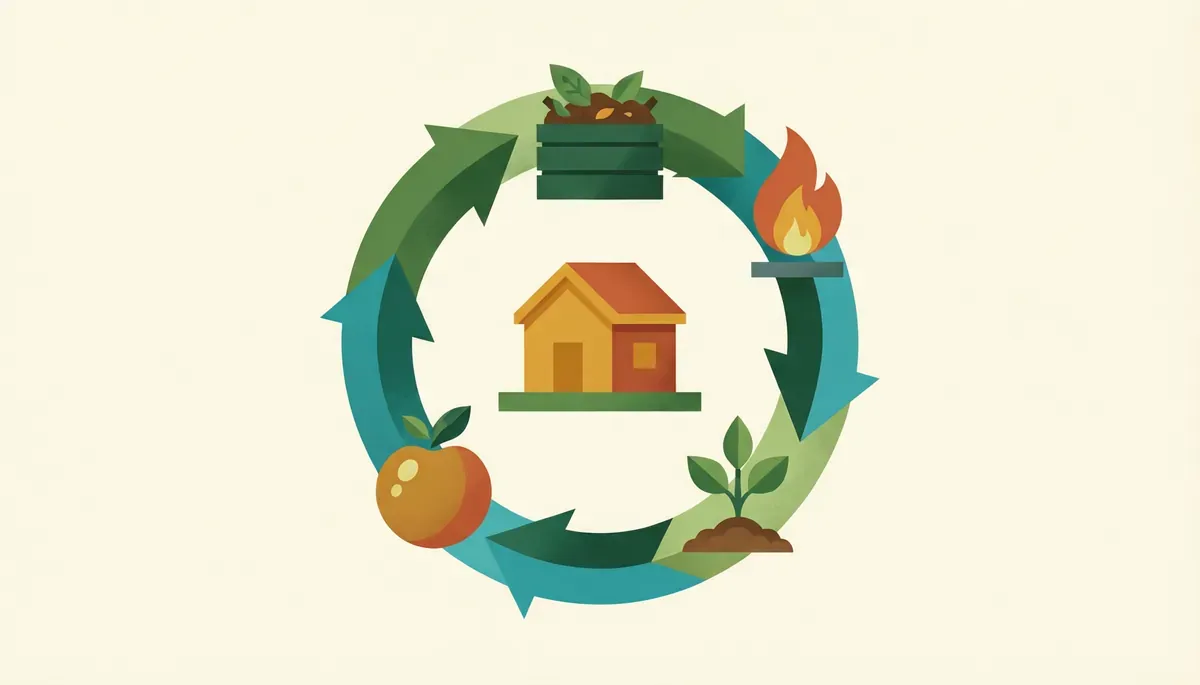
Este nodo cierra el círculo completo: cómo se dimensiona la captación real, qué dice exactamente la norma colombiana sobre reutilizar agua, qué cambio de hábito doméstico —no solo de tubería— hace posible que ese ciclo funcione, cómo el sol mismo entra al sistema como calentador y desinfectante, y por qué la distinción legal entre "recircular" y "reusar" determina si un proyecto necesita un trámite ambiental previo o puede operar sin él.
Este nodo consolida el mapa regulatorio completo del sistema autosustentable Iwagé en un solo lugar, agrega las piezas que todavía faltaban —uso del suelo rural para agroturismo, registro apícola ante el ICA, y el régimen sanitario real de la miel—, y muestra en qué orden y ante qué entidades corre cada trámite.
Se presenta el sistema de captura de campo que convirtió al meliponario en el único subsistema de Iwagé con evidencia real, adaptado a las tres etapas reales de una operación de meliponicultura: la captura en trampas, la operación diaria del meliponario, y la entrega y distribución del producto.
Este nodo explica cómo se dimensiona cada una de las tres piezas, qué las conecta entre sí como una sola bio-refinería en lugar de tres proyectos separados, y qué barreras reales —técnicas y culturales
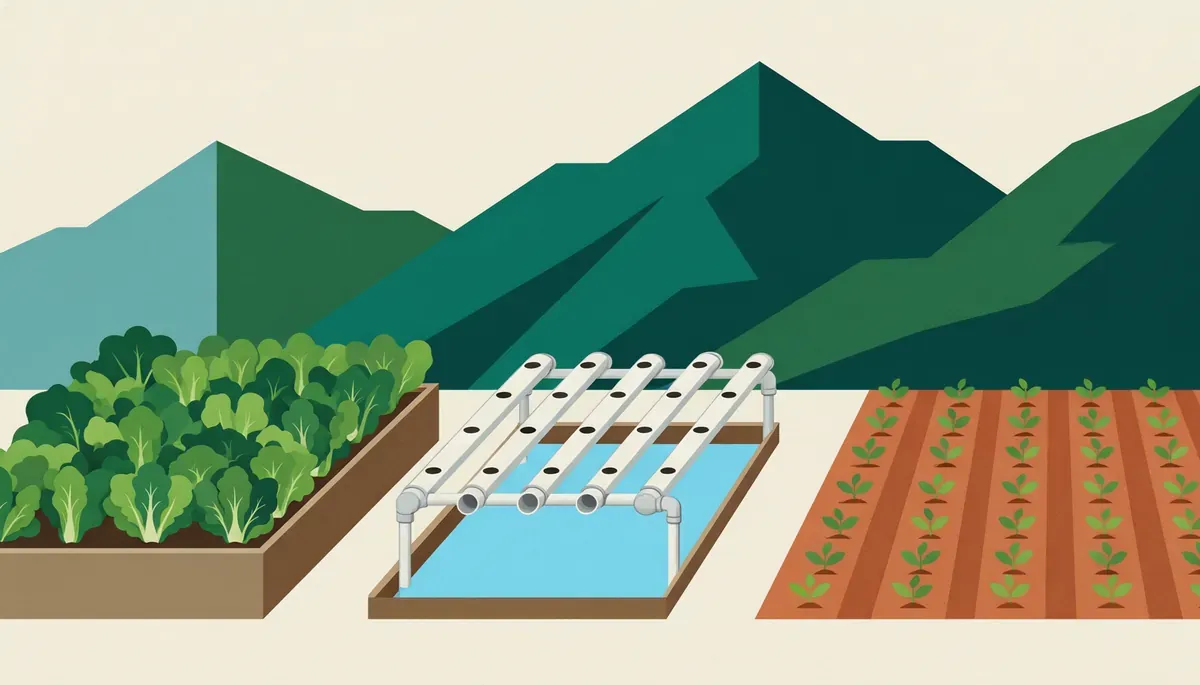
Define por qué el clima de Ibagué exige un calendario distinto al de cualquier guía de siembra genérica, cómo tres sistemas de cultivo aparentemente distintos —wicking bed, hidroponía vertical y permacultura de bancales— se complementan en lugar de competir, y cómo este subsistema recibe directamente los insumos que el ciclo hídrico y la bio-refinería ya producen.
Suscríbete al Jardín Digital
Recibe reflexiones sobre soberanía tecnológica, diseño de software y proyectos socioambientales directos desde el campo.
✨
¡Suscripción iniciada! Revisa tu correo para confirmar tu suscripción.
⚠️
No pudimos procesar tu suscripción. Inténtalo de nuevo.
¿Quieres profundizar en algún tema?
Si alguna de estas notas resonó contigo o quieres colaborar en una idea, hablemos.