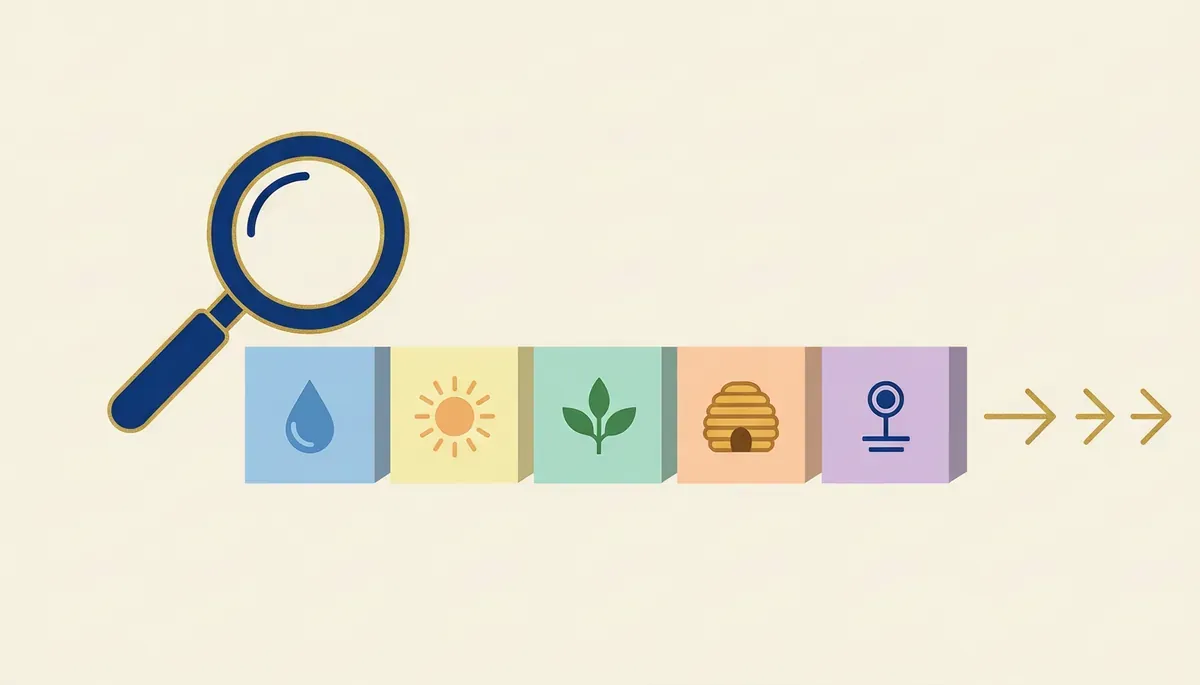
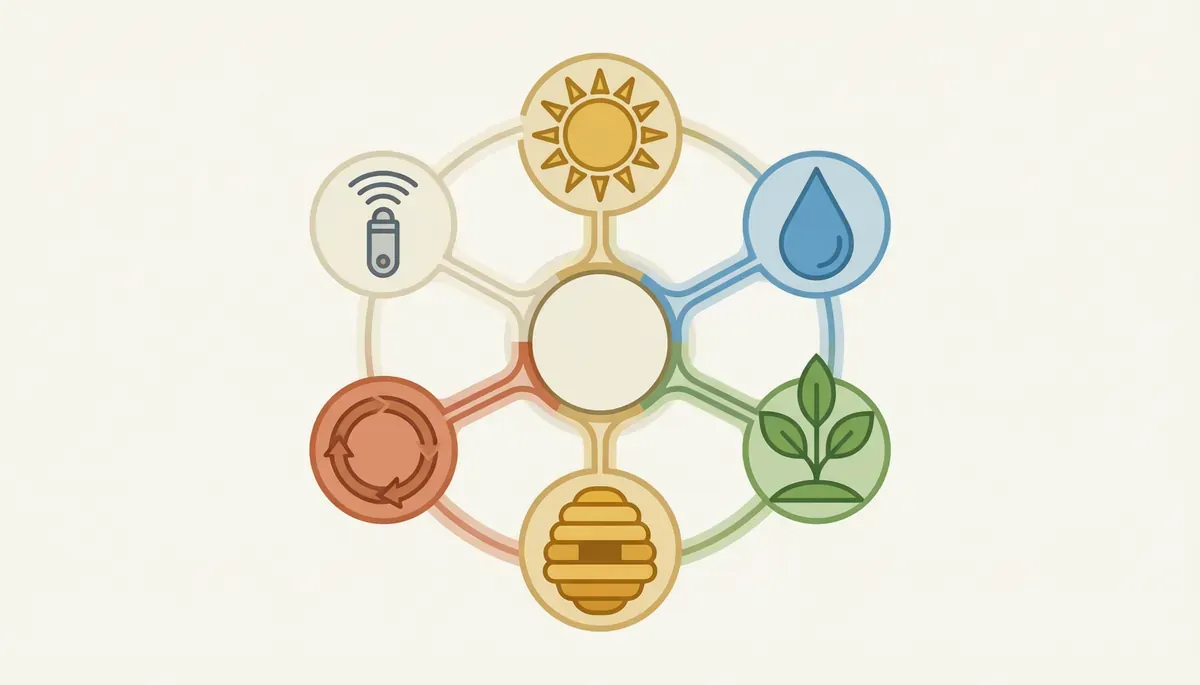
Antes de cualquier modelo financiero de un proyecto que integra biología, construcción y tecnología: ¿cada subsistema tiene sus propios ciclos y restricciones documentados de forma independiente antes de modelar el sistema completo? Si la respuesta es no, el modelo va a ser tan optimista como el primero que se abandona a la semana
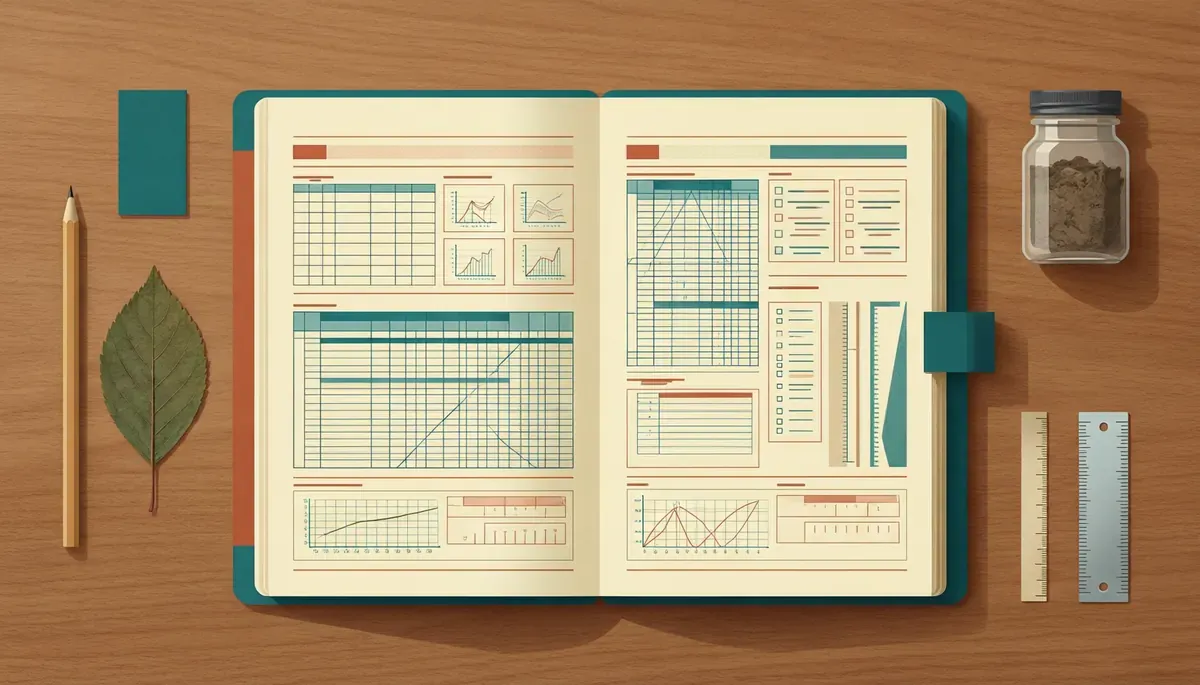
Se presenta el sistema de captura de campo que convirtió al meliponario en el único subsistema de Iwagé con evidencia real, adaptado a las tres etapas reales de una operación de meliponicultura: la captura en trampas, la operación diaria del meliponario, y la entrega y distribución del producto.
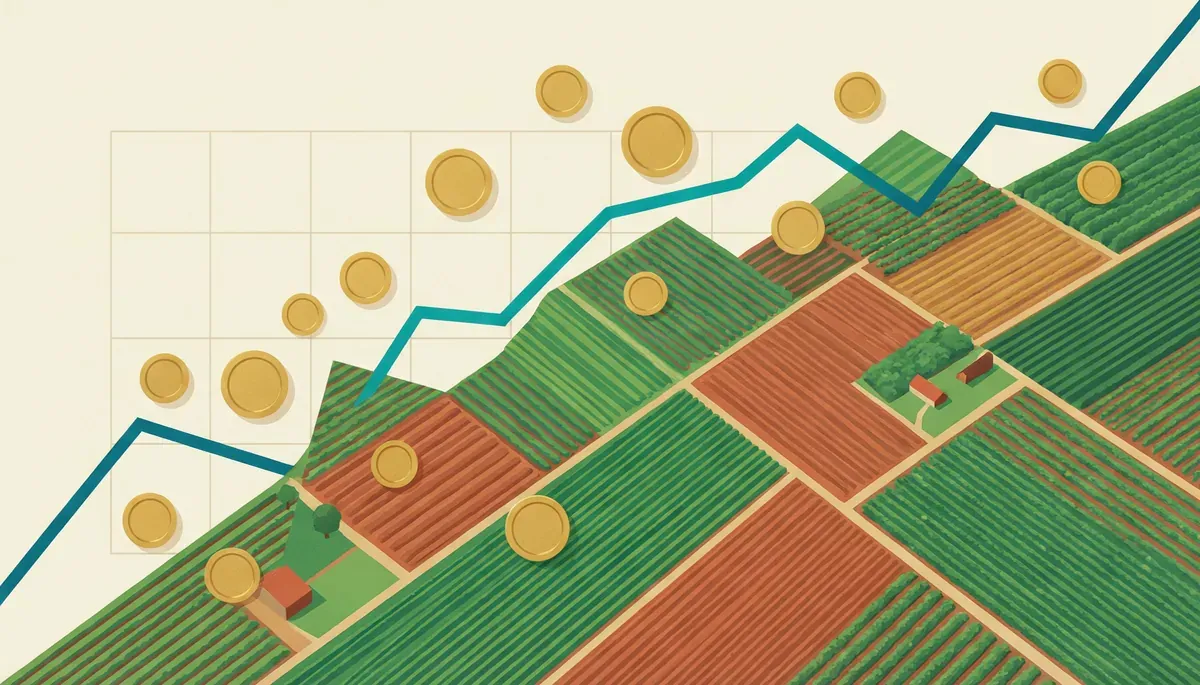
Antes de cualquier modelo financiero de un proyecto agroecológico, una pregunta: ¿el modelo asume rendimientos constantes desde el mes uno? Si la respuesta es sí, el Excel es optimista y el campo va a ser brutal. Los ciclos biológicos no negocian con los flujos de caja — el modelo tiene que adaptarse a ellos, no al revés
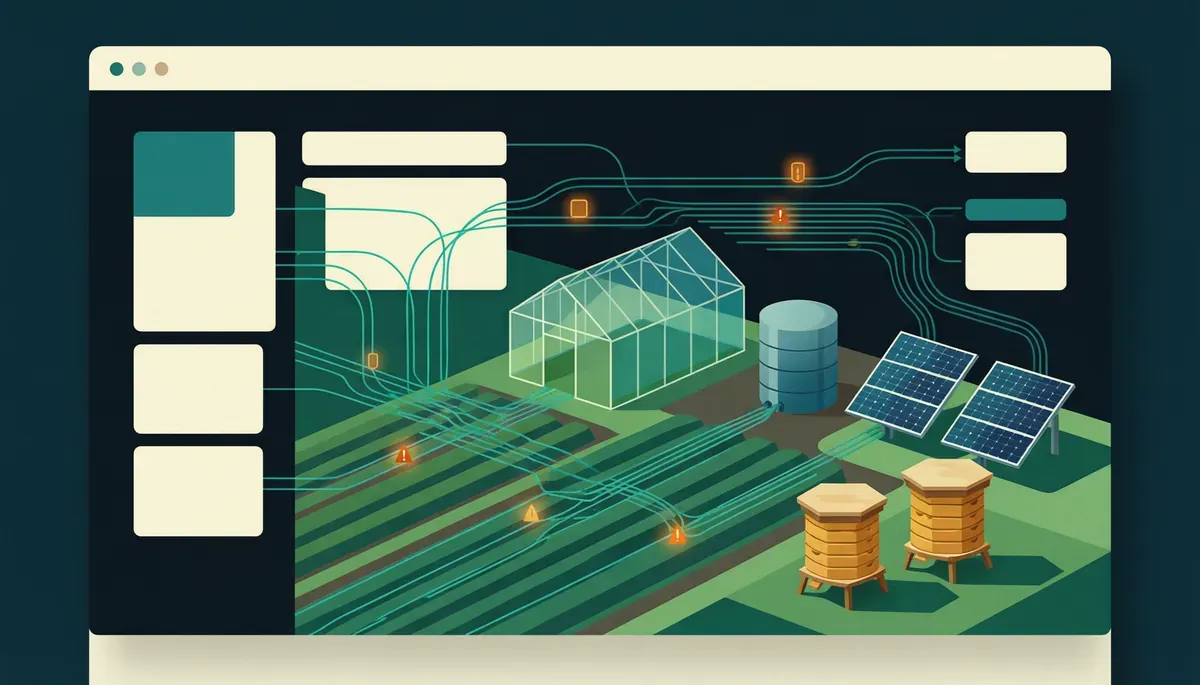
Si cada subsistema de la granja —meliponario, solar, hídrico, agroecosistema— es un instrumento de una orquesta, Home Assistant con InfluxDB y Grafana es la partitura que permite ver, por primera vez, cómo suenan todos juntos — no solo escuchar cada instrumento por separado
Un sistema autosustentable no se declara — se construye subsistema por subsistema, con los datos que cada etapa produce. Los nodos de esta serie documentan ese proceso en tiempo real: lo que funciona, lo que falla, y lo que todavía es hipótesis.
Suscríbete al Jardín Digital
Recibe reflexiones sobre soberanía tecnológica, diseño de software y proyectos socioambientales directos desde el campo.
✨
¡Suscripción iniciada! Revisa tu correo para confirmar tu suscripción.
⚠️
No pudimos procesar tu suscripción. Inténtalo de nuevo.
¿Quieres profundizar en algún tema?
Si alguna de estas notas resonó contigo o quieres colaborar en una idea, hablemos.