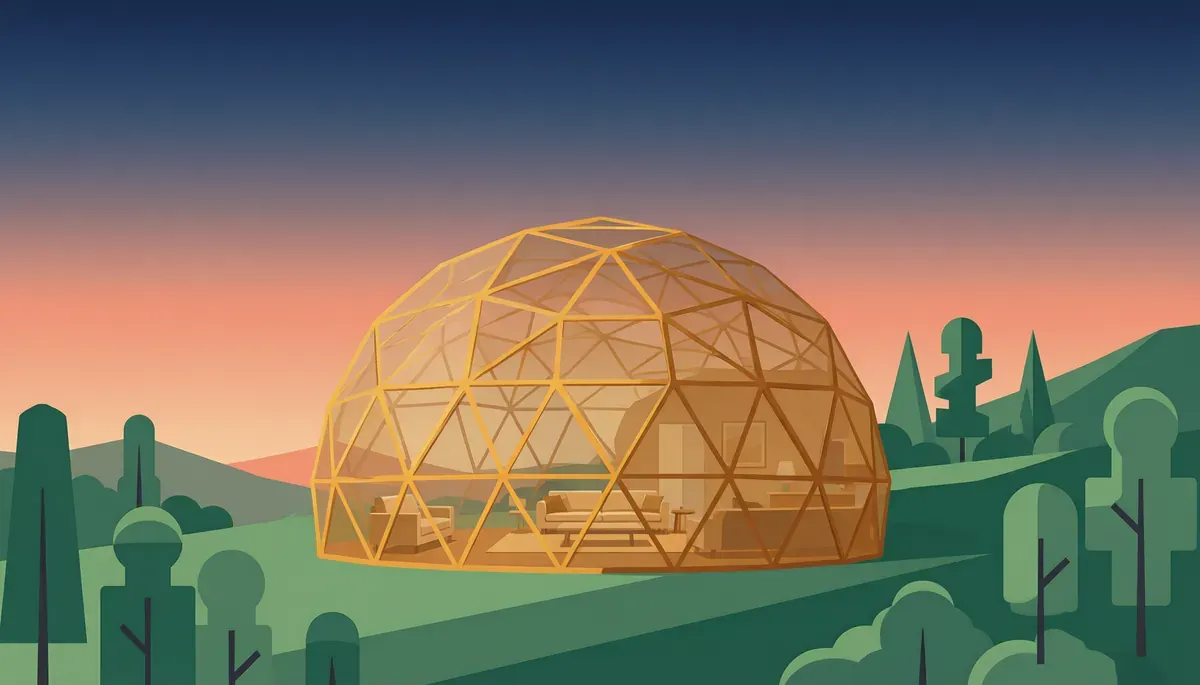
Antes de ser una atracción de glamping, el domo geodésico es una tecnología de habitabilidad completa: bioclimático por su geometría, autoportante sin muros de carga interiores, resistente a sismo y viento por cómo reparte las cargas, y radicalmente eficiente en el material que usa para encerrar espacio habitable
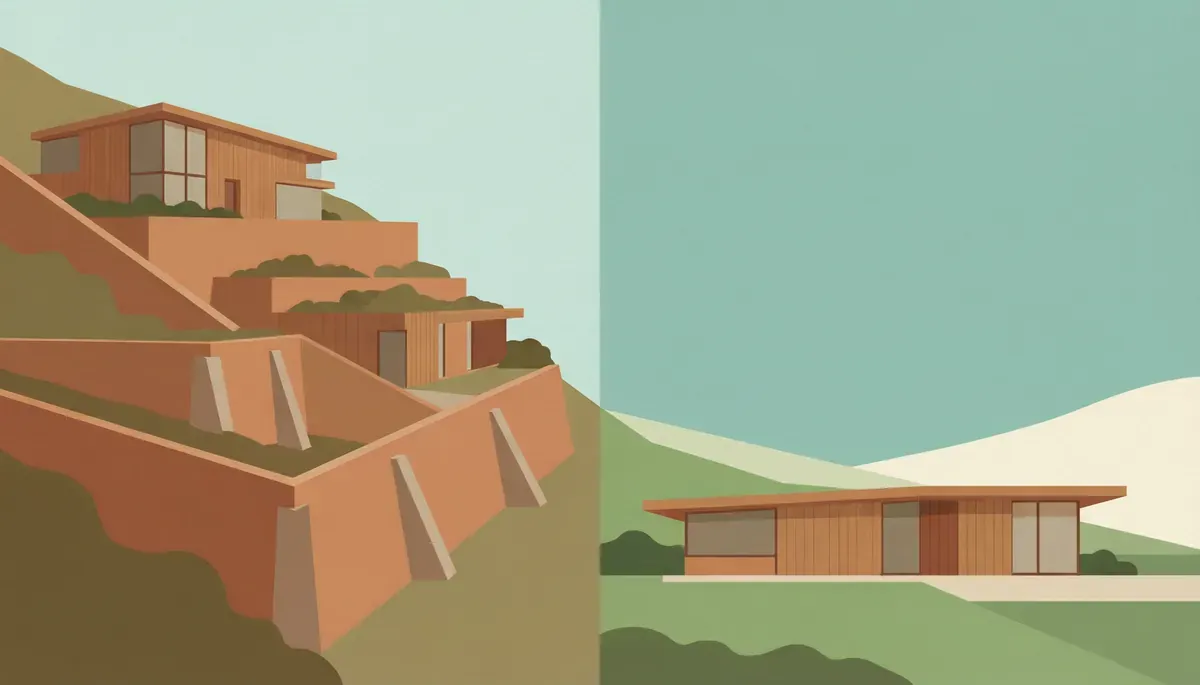
Este nodo es el puente — explica qué es la bioarquitectura como disciplina, por qué el terreno de pendiente y el terreno plano no admiten la misma solución técnica aunque compartan los mismos siete principios bioclimáticos
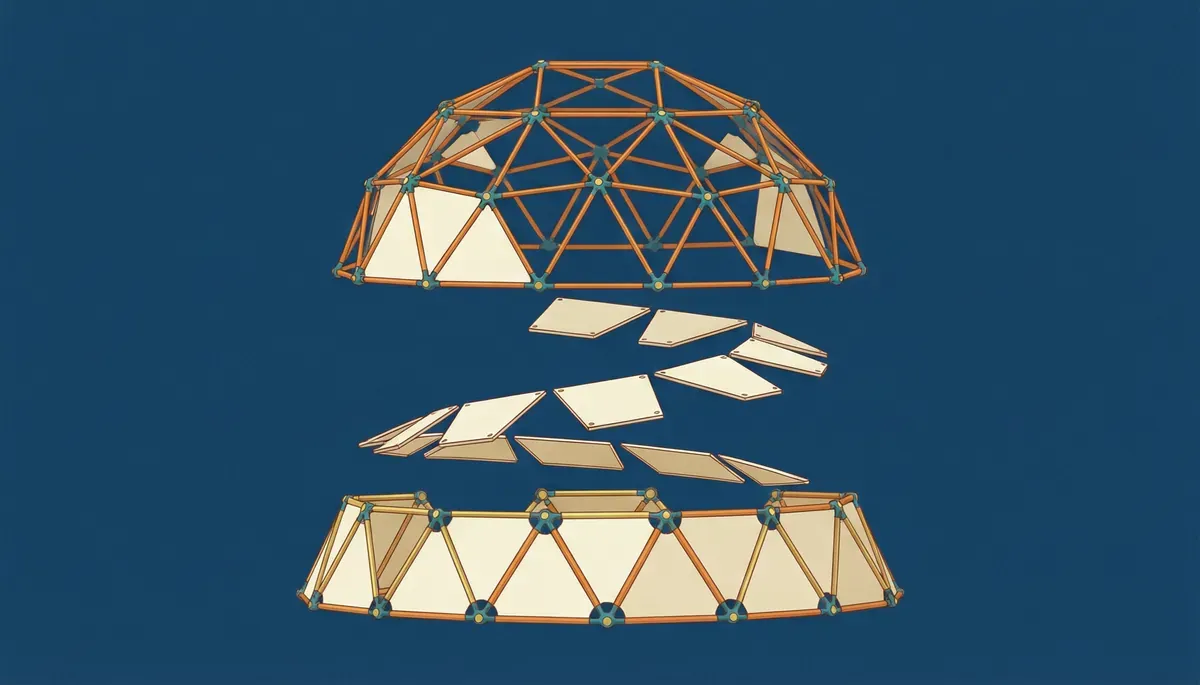
Un domo geodésico no es "una carpa con forma rara": es una estructura que reparte las cargas de forma tan eficiente que puede sostenerse con piezas mucho más livianas que una construcción convencional del mismo volumen
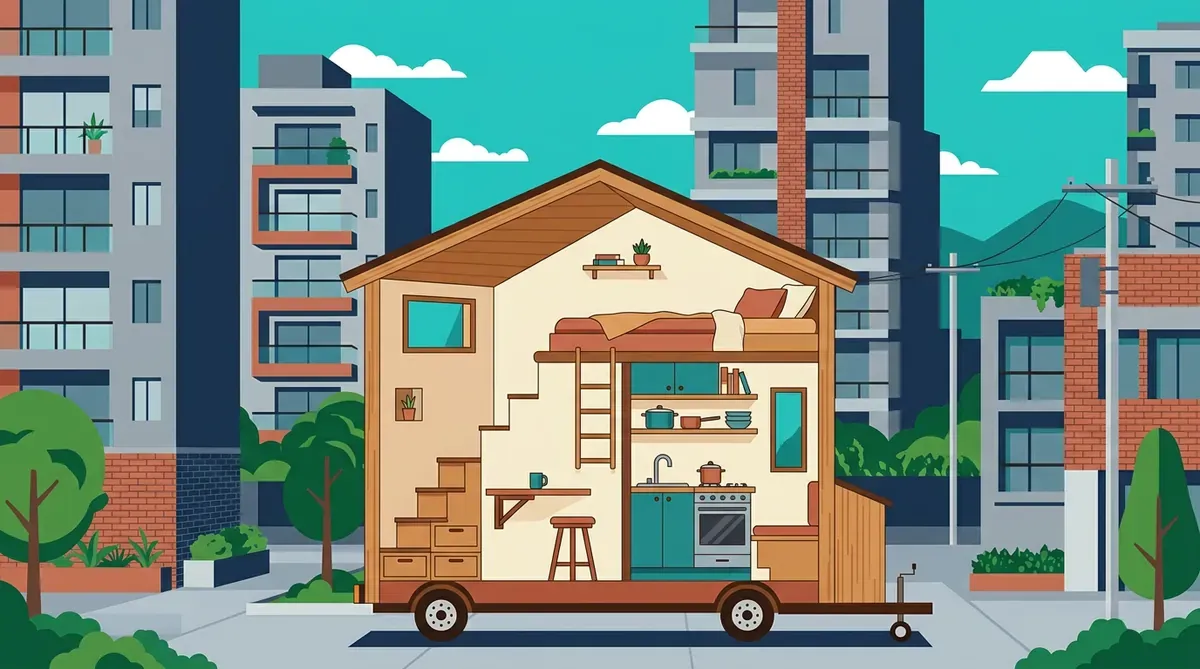
Este nodo documenta por qué el movimiento de vivienda pequeña tiene sentido específicamente en el contexto colombiano —con sus propios números de déficit habitacional, sus propias barreras normativas y culturales, y sus propios casos ya construidos
Suscríbete al Jardín Digital
Recibe reflexiones sobre soberanía tecnológica, diseño de software y proyectos socioambientales directos desde el campo.
✨
¡Suscripción iniciada! Revisa tu correo para confirmar tu suscripción.
⚠️
No pudimos procesar tu suscripción. Inténtalo de nuevo.
¿Quieres profundizar en algún tema?
Si alguna de estas notas resonó contigo o quieres colaborar en una idea, hablemos.