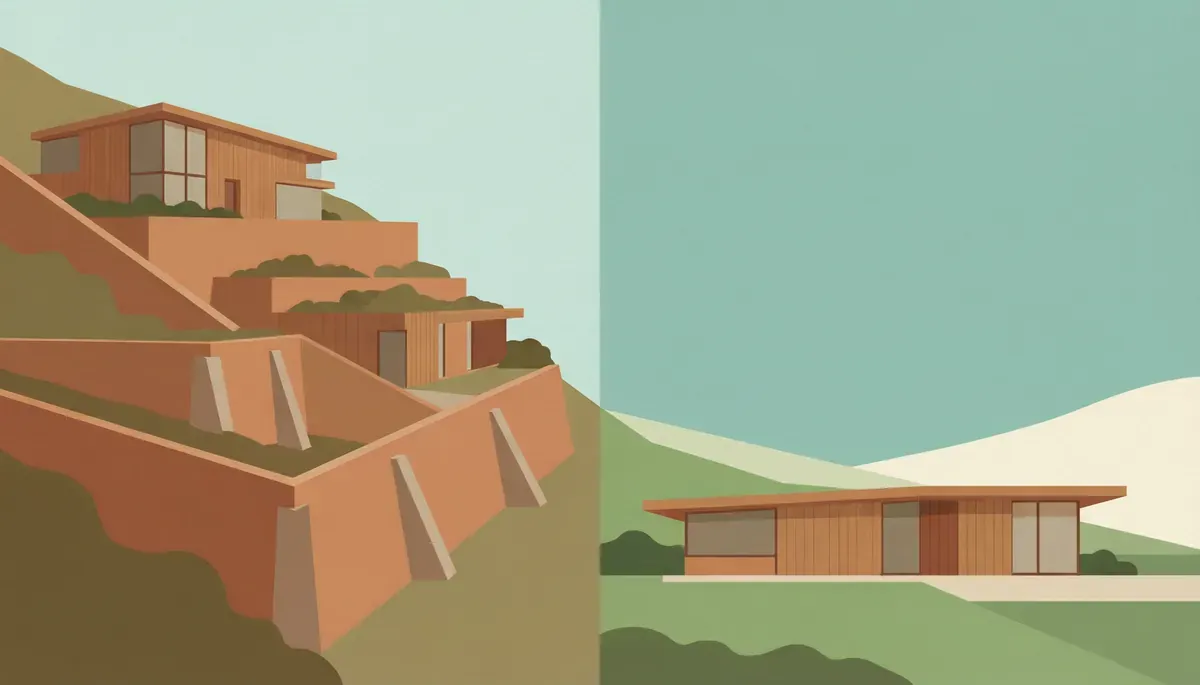
Este nodo es el puente — explica qué es la bioarquitectura como disciplina, por qué el terreno de pendiente y el terreno plano no admiten la misma solución técnica aunque compartan los mismos siete principios bioclimáticos
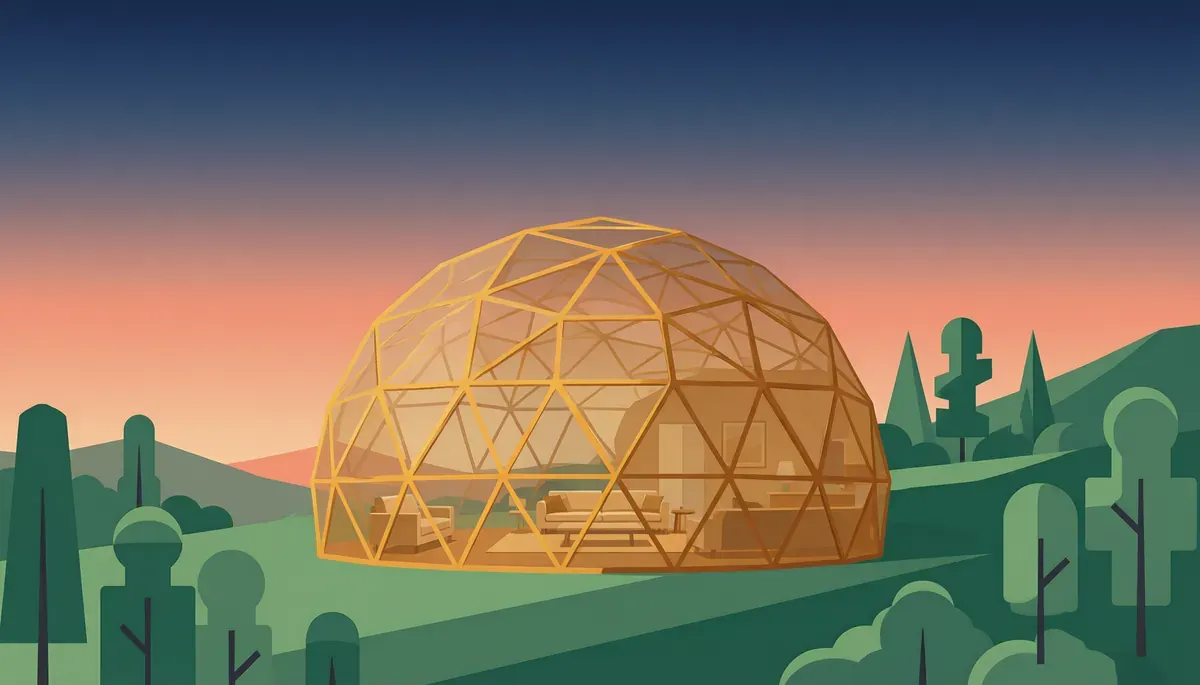
Antes de ser una atracción de glamping, el domo geodésico es una tecnología de habitabilidad completa: bioclimático por su geometría, autoportante sin muros de carga interiores, resistente a sismo y viento por cómo reparte las cargas, y radicalmente eficiente en el material que usa para encerrar espacio habitable
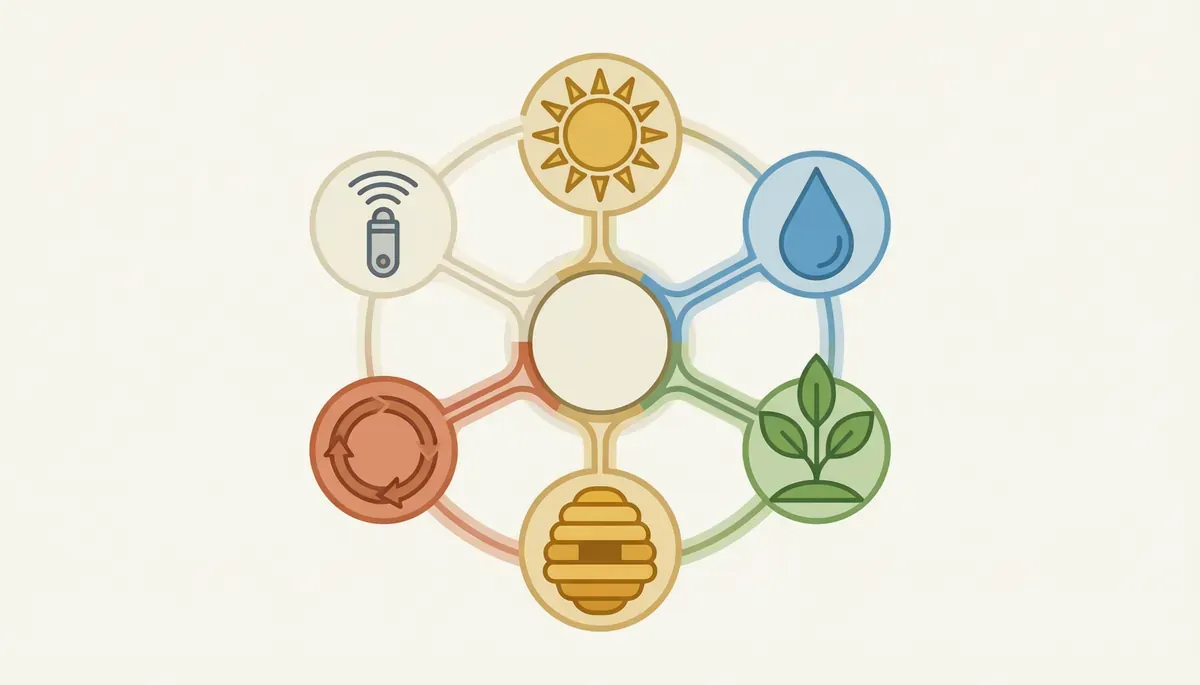
Este nodo consolida el mapa regulatorio completo del sistema autosustentable Iwagé en un solo lugar, agrega las piezas que todavía faltaban —uso del suelo rural para agroturismo, registro apícola ante el ICA, y el régimen sanitario real de la miel—, y muestra en qué orden y ante qué entidades corre cada trámite.
La norma sismorresistente colombiana no es un obstáculo aislado que un proyecto no convencional simplemente "debe superar" —es un sistema con puertas específicas, algunas más estrechas que otras, y con incentivos reales del otro lado para quien las cruza bien.
Un sistema autosustentable no se declara — se construye subsistema por subsistema, con los datos que cada etapa produce. Los nodos de esta serie documentan ese proceso en tiempo real: lo que funciona, lo que falla, y lo que todavía es hipótesis.
Suscríbete al Jardín Digital
Recibe reflexiones sobre soberanía tecnológica, diseño de software y proyectos socioambientales directos desde el campo.
✨
¡Suscripción iniciada! Revisa tu correo para confirmar tu suscripción.
⚠️
No pudimos procesar tu suscripción. Inténtalo de nuevo.
¿Quieres profundizar en algún tema?
Si alguna de estas notas resonó contigo o quieres colaborar en una idea, hablemos.