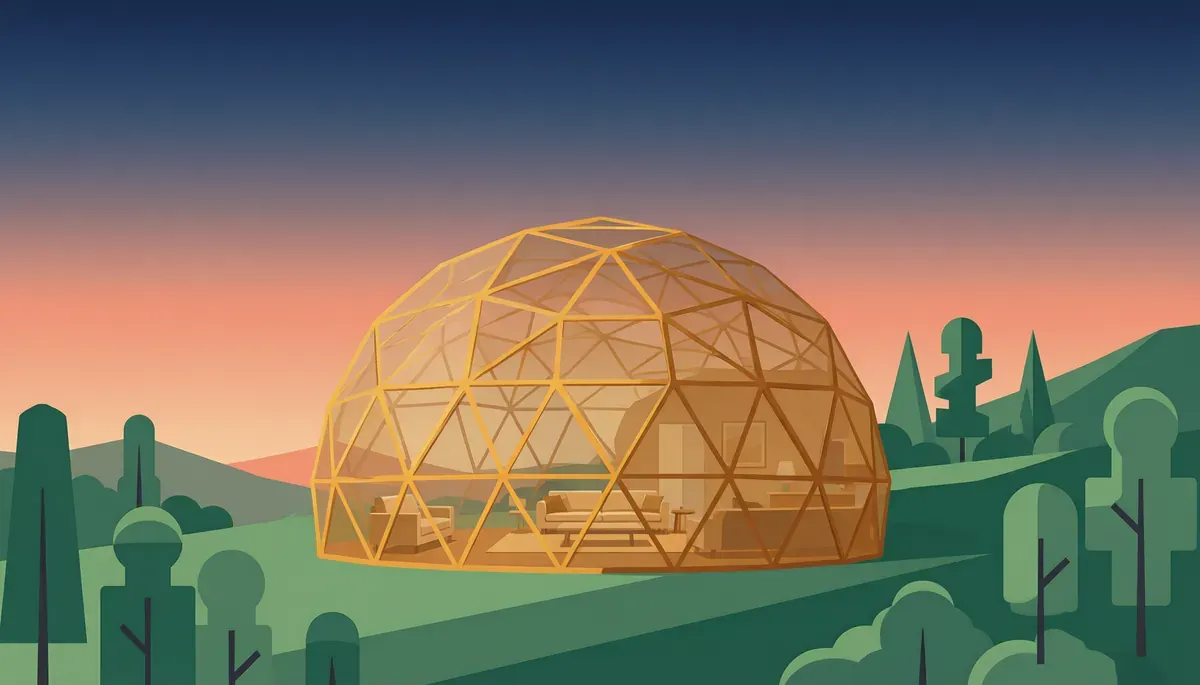
Antes de ser una atracción de glamping, el domo geodésico es una tecnología de habitabilidad completa: bioclimático por su geometría, autoportante sin muros de carga interiores, resistente a sismo y viento por cómo reparte las cargas, y radicalmente eficiente en el material que usa para encerrar espacio habitable
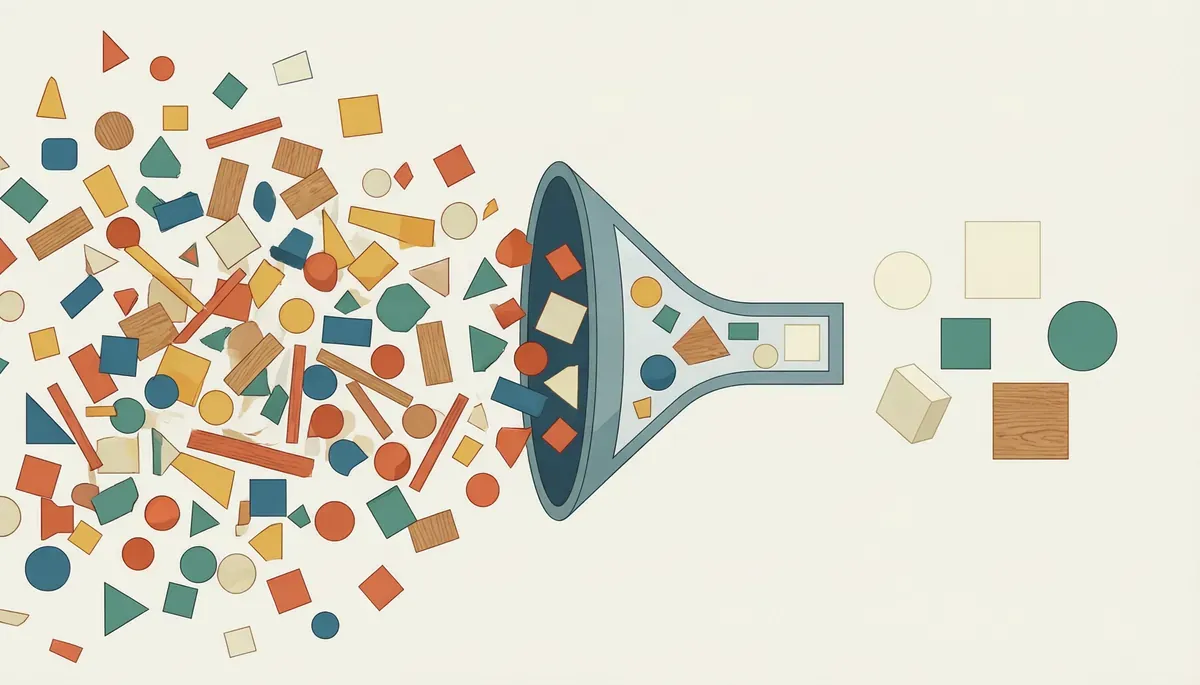
Este nodo documenta el minimalismo consciente como protocolo de decisión: un sistema deliberado para reducir el número de decisiones que un espacio, un mueble o un flujo de trabajo le exige al cerebr
Este nodo documenta por qué el mobiliario multifuncional bien diseñado no solo resuelve el problema físico del espacio reducido —ya cubierto en el nodo anterior— sino que actúa directamente sobre la calificación del huésped, que a su vez determina si tu propiedad aparece en las búsquedas filtradas, cuánto puedes cobrar por noche y cuántas noches vacías tienes al me
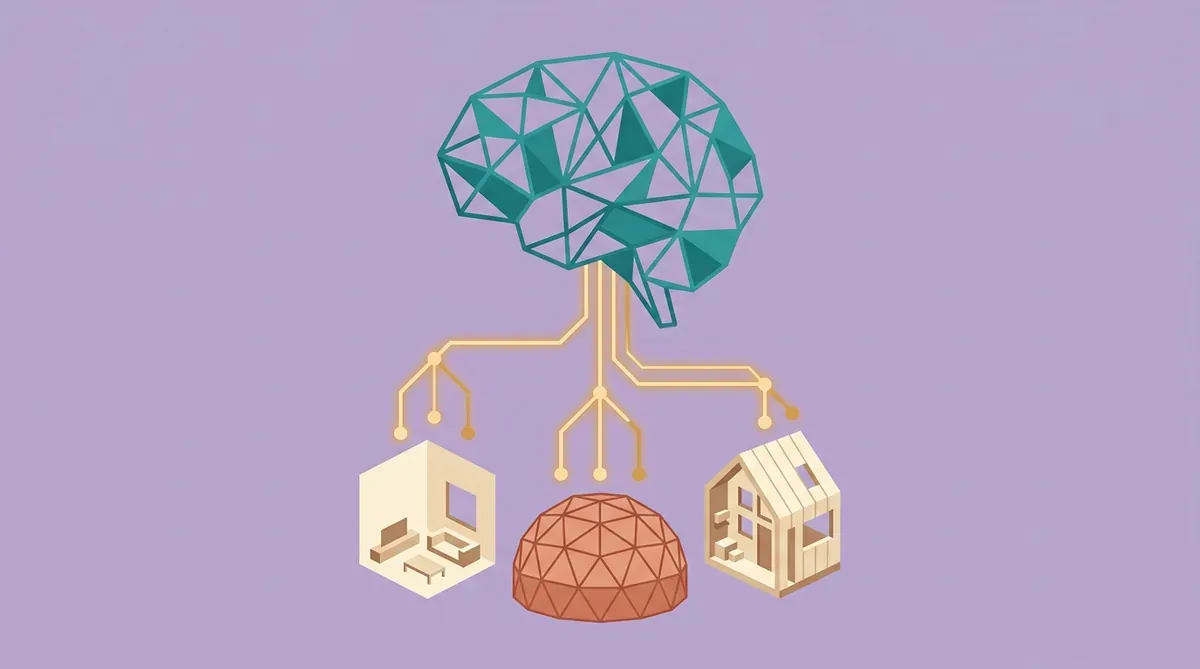
La neuroarquitectura es la ciencia que explica por qué el minimalismo consciente reduce fatiga de decisión, por qué el domo geodésico se siente distinto a habitar además de ser eficiente en construirlo, y por qué una mini casa bien diseñada puede sentirse más amplia que una casa grande mal resuelta
Durante meses pensé que el problema era documentar. Después descubrí que el problema real era comprender. Este nodo cuenta el origen intelectual del Sistema Cognitivo del Hub Soberano: desde el día que conocí el Handbook de GitLab y sentí que algo fallaba en cómo almacenamos conocimiento
Suscríbete al Jardín Digital
Recibe reflexiones sobre soberanía tecnológica, diseño de software y proyectos socioambientales directos desde el campo.
✨
¡Suscripción iniciada! Revisa tu correo para confirmar tu suscripción.
⚠️
No pudimos procesar tu suscripción. Inténtalo de nuevo.
¿Quieres profundizar en algún tema?
Si alguna de estas notas resonó contigo o quieres colaborar en una idea, hablemos.